
Home › Articles › Delhi Metro Phase 4: Upcoming Corridors, Stations, Cost, Status & Future Expansion
Delhi Metro Phase 4: Upcoming Corridors, Stations, Cost, Status & Future Expansion
By PropertyGeld Editorial Team
Published on PropertyGeld:
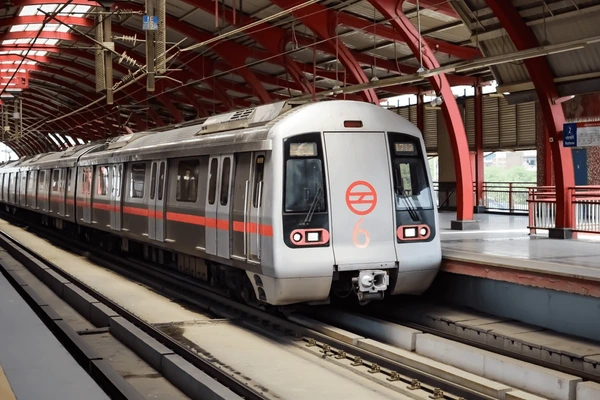
Delhi Metro Phase 4 is a major infrastructure initiative aimed at improving last-mile connectivity across the National Capital Region (NCR). The project focuses on linking emerging residential, commercial, and employment zones with the existing metro network, especially in South, West, and North Delhi, along with parts of Faridabad and Haryana.
Implemented by the Delhi Metro Rail Corporation, Phase 4 will significantly enhance daily commuting by expanding the metro network through new corridors, interchange points, and advanced technologies.
Overview of Delhi Metro Phase 4
Phase 4 consists of six planned corridors with a total route length of nearly 112 km. Out of these, three corridors have been given priority status and are targeted for completion by March 2026, while the remaining sections are expected to be finished by 2028.
Key highlights:
-
44–45 new metro stations to be added
-
Improved connectivity in South, Central, East, and North Delhi
-
Combination of elevated and underground sections
-
Integration with airport, railway, bus, and RRTS networks
The total estimated cost for Phase 4 is ₹24,948.65 crore, funded jointly by the Central Government, Delhi Government, and external loans.
Current Construction Status & Recent Updates
-
The Pink Line extension between Maujpur and Majlis Park is structurally complete and prepared for passenger operations.
-
The Janakpuri West–Krishna Park Extension (2.5 km) became operational in early 2025.
-
Foundation work has commenced for the Rithala–Kundli corridor.
-
The Maujpur–Majlis Park section (12.3 km), one of the priority corridors, is nearing completion and is expected to open around Diwali 2025.
-
Construction is progressing steadily on:
-
Janakpuri West–RK Ashram
-
Aerocity–Tughlakabad
-
Approximately 28 km of underground tunnels are being developed as part of Phase 4, making it one of the most tunnel-intensive metro expansions in Delhi.
Funding & International Support
To support Phase 4 development:
-
DMRC received ₹4,309.53 crore as the first loan installment from Japan International Cooperation Agency (JICA).
-
Total funding requirement is estimated at ₹14,600 crore, of which:
-
JICA will contribute ₹6,252.91 crore
-
Remaining amount will be equally shared by the Centre and Delhi Government
-
The funding supports corridors such as:
-
Inderlok–Indraprastha
-
Lajpat Nagar–Saket G Block
-
Rithala–Narela–Nathupur
Driverless Trains in Phase 4
From November 2025, DMRC plans to introduce driverless (UTO) train operations on select Phase 4 corridors. This expansion will build on the success of automated services already running on the Pink and Magenta Lines.
Benefits include:
-
Higher safety standards
-
Reduced operational delays
-
Improved efficiency and reliability
Delhi Metro Phase 4: Key Facts at a Glance
| Feature | Details |
|---|---|
| Total Length | ~103.93 km |
| Number of Lines | 6 |
| Stations (Priority Corridors) | 45 |
| Budget | ₹45,000 crore (overall), ₹24,948.65 crore (priority) |
| Completion Timeline | 2026–2028 |
Major Approved & Proposed Corridors (Summary)
Aerocity – Tughlakabad (Golden Line)
-
Length: ~23.6 km
-
Stations: 15
-
Mostly underground
-
Connects Airport Express Line and Violet Line
Mukundpur – Maujpur (Pink Line Extension)
-
Length: ~12.5 km
-
Elevated corridor
-
Will complete India’s first full ring metro (71 km)
Janakpuri West – RK Ashram
-
Length: ~28.9 km
-
Mix of elevated and underground
-
High interchange density across North & West Delhi
Lajpat Nagar – Saket G Block (Brown Line)
-
Length: ~8 km
-
Shortest Phase 4 corridor
-
Links Pink, Violet, and Magenta Lines
Inderlok – Indraprastha
-
Length: ~12.3 km
-
Major multi-line interchange corridor
Rithala – Narela – Kundli (Approval/Expansion Phase)
-
Will extend metro connectivity into Haryana
-
Expected completion by 2028
Metro Expansion to Sonipat & NCR
The proposed Rithala–Nathupur (Sonipat) extension will:
-
Cover 26.5 km
-
Include 21 stations
-
Cost approx. ₹6,230 crore
-
Be funded largely by the Haryana Government (80%)
This extension is expected to improve daily commuting between Delhi and Sonipat and stimulate infrastructure growth along the route.
Integration with Other Transport Systems
Delhi Metro Phase 4 will feature seamless integration with:
-
RRTS (Delhi–Ghaziabad–Meerut)
-
Intercity railways
-
ISBT bus terminals
-
Feeder buses and last-mile services
Anand Vihar will emerge as a key multi-modal transport hub connecting metro, RRTS, railway, and bus services.
Delhi Metro Phase 5: What’s Next?
DMRC has outlined plans for Phase 5, featuring:
-
18 new corridors
-
Development in two stages
-
Expansion into Delhi, Uttar Pradesh, and Haryana
Key upcoming corridors include:
-
Central Vista
-
Aerocity–IGI Terminal 1
-
Tughlakabad–Kalindi Kunj
-
Mayur Vihar Phase-3–Loni Border
Phase 5 will also increase the number of triple-interchange stations, improving passenger convenience across the network.
Impact on Connectivity & Urban Development
Improved Citywide Access
Phase 4 will dramatically reduce travel time across Delhi and NCR, especially to the airport and outer residential zones.
Boost to Property Demand
Areas near new metro corridors are expected to see:
-
Higher rental demand
-
Gradual rise in property prices
-
Increased commercial activity
Long-Term Economic Benefits
Better transport connectivity will support job mobility, reduce congestion, and encourage balanced urban growth.
Related articles
- Delhi Metro Phase 4: Upcoming Corridors, Stations, Cost, Status & Future Expansion
- Delhi Metro Violet Line: Route Map, Stations, Timings & Everything You Need to Know
- Delhi Metro Rail Corporation Golden Line (Silver Line): Route, Stations & Latest Construction Update
- Delhi Metro Magenta Line: Route, Stations, Connectivity & Real Estate Impact
- Delhi Metro Magenta Line: Route, Stations, Map & Connectivity Guide
- Aerocity Metro Station in Delhi to Have Phase 4’s Longest Platform