
Home › Articles › Delhi Metro Magenta Line: Route, Stations, Connectivity & Real Estate Impact
Delhi Metro Magenta Line: Route, Stations, Connectivity & Real Estate Impact
By PropertyGeld Editorial Team
Published on PropertyGeld:
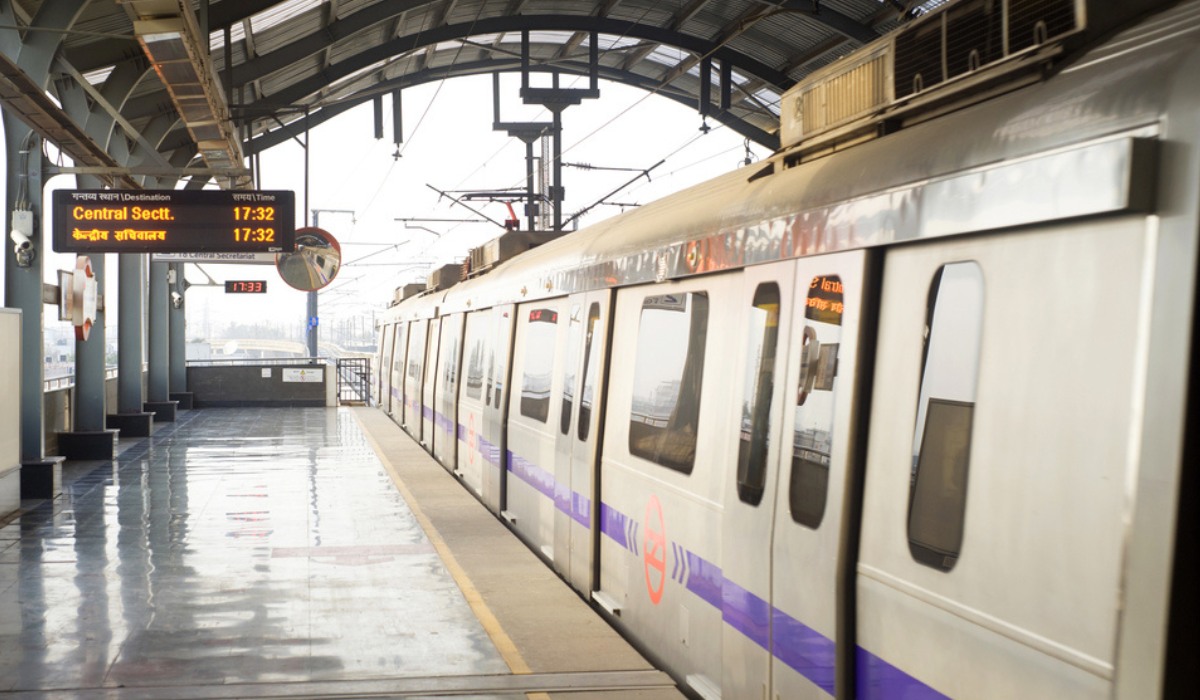
The Delhi Metro Magenta Line has become one of the most important metro corridors in Delhi-NCR due to its strong connectivity between West Delhi, South Delhi, and Noida. Known officially as Line-8, the corridor connects Janakpuri West to Botanical Garden and plays a major role in reducing travel time across some of the busiest urban zones in NCR.
The line is also gaining attention because of multiple ongoing and future extensions under Delhi Metro’s Phase-IV and Phase-V expansion plans. Once fully expanded, the Magenta Line is expected to become the longest corridor in the Delhi Metro network.
Key Route of the Magenta Line
The operational Magenta Line currently connects:
- Janakpuri West
- Dabri Mor
- Palam
- IGI Airport Terminal-1
- Hauz Khas
- Kalkaji Mandir
- Jamia Millia Islamia
- Botanical Garden (Noida)
The route significantly improves east-west movement across Delhi and NCR while reducing dependency on road transport.
Major Interchange Stations
One of the biggest advantages of the Magenta Line is its interchange connectivity with multiple Delhi Metro corridors.
Important interchange stations include:
- Janakpuri West – Blue Line
- Hauz Khas – Yellow Line
- Kalkaji Mandir – Violet Line
- Botanical Garden – Blue Line
Future extensions are expected to create even more interchange points across Delhi.
Airport Connectivity Boost
The Magenta Line became especially popular because it offers direct metro connectivity to IGI Airport Terminal-1. This reduced travel difficulty for domestic flyers travelling from South Delhi, Noida, and West Delhi.
Airport-linked metro connectivity also increased residential demand near several stations along the corridor.
Driverless Metro Technology
The Magenta Line was among the first Delhi Metro corridors to support advanced driverless train technology using Communication-Based Train Control (CBTC) systems.
The corridor is known for:
- Automated train operations
- Modern signaling systems
- Improved energy efficiency
- Platform screen door systems at selected stations
- Faster train frequency management
Delhi Metro has gradually expanded driverless operations across newer corridors.
Ongoing Extensions Under Phase-IV
Delhi Metro is currently expanding the Magenta Line under Phase-IV projects. One major new section connects Deepali Chowk and Majlis Park in North-West Delhi.
This extension is expected to improve connectivity for areas such as:
- Rohini
- Pitampura
- Haiderpur
- North-West Delhi zones
The corridor may also help reduce congestion along Outer Ring Road and nearby traffic-heavy areas.
Magenta Line Set to Become Delhi Metro’s Longest Corridor
According to recent Delhi Metro expansion plans, the Magenta Line may eventually extend from Botanical Garden to Inderlok, covering nearly 89 kilometres with dozens of stations and interchange points.
The expanded corridor is expected to include:
- More underground stations
- Additional interchange hubs
- Central Delhi connectivity
- Better airport access
- Improved NCR-wide travel integration
Several upcoming corridors are also planned to connect with the Magenta Line under future DMRC phases.
Impact on Real Estate Along the Corridor
Metro connectivity has significantly influenced property demand near Magenta Line stations. Areas connected through the line have witnessed stronger residential and commercial activity due to easier commuting.
Locations benefiting from the corridor include:
- Janakpuri
- South Delhi sectors
- Kalkaji
- Jasola
- Noida sectors near Botanical Garden
- Airport-linked residential zones
Real estate analysts believe metro connectivity remains one of the biggest drivers of property appreciation in NCR.
Commuter Benefits
The Magenta Line has reduced travel complexity for daily office commuters and students travelling between South Delhi, West Delhi, and Noida.
Major commuter advantages include:
- Reduced road traffic dependency
- Faster cross-city travel
- Better interchange access
- Improved airport connectivity
- Lower travel time during peak hours
The corridor is especially useful for people travelling across multiple metro lines daily.
Future Infrastructure Importance
As Delhi-NCR continues expanding, the Magenta Line is expected to become one of the backbone corridors of the region’s urban transport system.
Future upgrades may include:
- Additional extensions
- More interchange hubs
- Expanded airport connectivity
- Smart transit integration
- Higher train frequency
- Improved last-mile connectivity
The line is expected to play a major role in reducing traffic pressure across NCR over the next decade.
Conclusion
The Delhi Metro Magenta Line has evolved into one of NCR’s most important transit corridors because of its strategic route, airport connectivity, interchange network, and ongoing expansion plans. With future extensions likely to make it the longest metro corridor in Delhi, the line is expected to further improve urban mobility, support real estate growth, and strengthen connectivity across Delhi-NCR.
Related articles
- Delhi Metro Magenta Line: Route, Stations, Connectivity & Real Estate Impact
- Delhi Metro Magenta Line: Route, Stations, Map & Connectivity Guide
- DMRC to Extend Delhi Metro Red Line from Narela to Kundli: Route, Stations & Impact
- Delhi Metro Violet Line: Route Map, Stations, Timings & Everything You Need to Know
- Delhi Metro Rail Corporation Golden Line (Silver Line): Route, Stations & Latest Construction Update
- Govindpuri Metro Station Delhi: Route, Timings, Connectivity & Facilities