
Home › Articles › Understanding the KMP Expressway’s Impact on Real Estate Growth: A Detailed Overview
Understanding the KMP Expressway’s Impact on Real Estate Growth: A Detailed Overview
By PropertyGeld Editorial Team
Published on PropertyGeld:
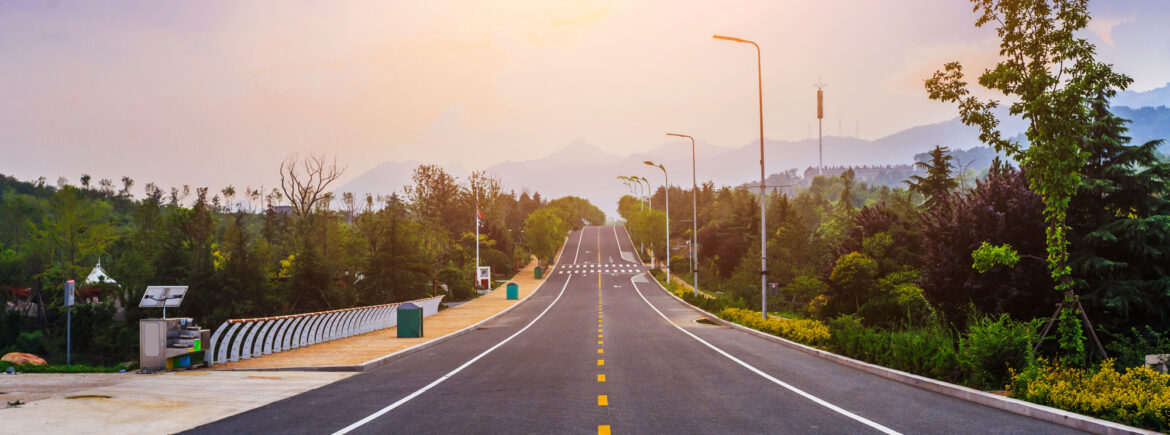
The Kundli-Manesar-Palwal Expressway, commonly referred to as the Western Peripheral Expressway (WPE), is a six-lane, access-controlled corridor encircling Delhi through Haryana. Designed as a high-speed bypass, this landmark infrastructure project has emerged as a major catalyst for economic activity and real estate development along its route.
Operational since 2018, the expressway has transformed regional connectivity, eased congestion within Delhi, and unlocked large-scale residential, commercial, and industrial growth across multiple emerging corridors in the National Capital Region (NCR).
Overview of the KMP Expressway
The KMP Expressway was formally inaugurated in 2018 by Narendra Modi. Along with the Eastern Peripheral Expressway, it forms India’s largest ring road around Delhi, enabling seamless movement of traffic without entering the capital.
By diverting long-haul and heavy vehicles away from Delhi, the expressway improves freight efficiency, reduces pollution, and strengthens economic linkages between northern and southern India.
Key Features of the KMP Expressway
| Feature | Details |
|---|---|
| Total Length | 135.6 km |
| Lanes | 6 (3 in each direction) |
| Status | Fully operational |
| Developer | Haryana State Industrial & Infrastructure Development Corporation |
| Project Cost | ₹9,000 crore |
The corridor includes 10 toll plazas, 52 underpasses, and 23 overpasses, along with amenities such as parking bays, fuel stations, bus terminals, traffic police facilities, and multi-modal transit points. It also plays a vital role in transporting agricultural and industrial goods from Haryana, Punjab, Himachal Pradesh, and Jammu & Kashmir to markets across India.
Additionally, the expressway offers faster access to Indira Gandhi International Airport, especially for travelers from northern states.
KMP Expressway Route and Connectivity
The expressway begins at Kundli and passes through Kharkhoda, Bahadurgarh, Badli, Jhajjar, Manesar, Nuh, and Hathin before terminating near Palwal.
It seamlessly connects with major national highways, including:
-
NH-44 (Delhi–Panipat)
-
NH-48 (Delhi–Jaipur)
-
NH-19 (Delhi–Agra)
-
NH-10 (Delhi–Rohtak)
This network integration significantly enhances inter-city mobility across NCR and adjoining states.
Regional Connectivity and Economic Impact
Key Connectivity Benefits
-
Traffic Diversion: Over 50,000 heavy vehicles are diverted daily, reducing congestion within Delhi.
-
Reduced Travel Time: Routes like DND Flyway–Faridabad–KMP have cut travel times from hours to minutes.
-
Industrial Expansion: Logistics parks, warehouses, and industrial estates are rapidly developing in Manesar and Jhajjar.
-
Future Integration: The expressway is aligned with mega infrastructure projects such as the Delhi–Mumbai Industrial Corridor (DMIC) and the Western Dedicated Freight Corridor.
Real Estate Impact: Emerging Investment Hotspots
The KMP Expressway has reshaped NCR’s property market by opening up new development zones and driving appreciation in land and housing values.
New Gurgaon
Covering sectors 82–115, New Gurgaon has evolved into a modern residential and commercial hub with integrated townships and gated communities. Enhanced connectivity to Manesar, Kundli, and Palwal has boosted demand. Property values here have more than doubled in the last five years, with rental yields expected to rise sharply by 2027.
Sohna
Now the third-largest real estate micro-market in Gurugram, Sohna benefits from its intersection with the Delhi–Mumbai Expressway. Infrastructure upgrades and corporate relocations have driven demand, with property prices ranging between ₹6,400 and ₹13,000 per sq ft. The region is set to receive over 16,000 new housing units by 2027.
Manesar
An established industrial hub under the IMT framework, Manesar is home to major global manufacturers such as Suzuki, Honda, and Toyota. Improved highway connectivity has resulted in rapid land price appreciation and rising demand for residential housing near employment centers.
Sonipat
Located just 20 km from Delhi, Sonipat is gaining traction as a tier-2 real estate destination. The KMP Expressway has spurred logistics parks and warehousing clusters in the region. The upcoming ₹18,000-crore Maruti Suzuki Kharkhoda plant is expected to further strengthen employment and housing demand.
Bahadurgarh
With over 500 operational industries, Bahadurgarh has emerged as a strong industrial-residential node. The KMP Expressway provides direct access to Gurugram, Manesar, Sonipat, and Palwal, making it attractive for both investors and end-users. Property prices here remain relatively affordable, supporting steady demand.
KMP Expressway: Project Timeline Snapshot
-
2003: Project conceptualised as a four-lane BOT expressway
-
2006: Construction contract awarded
-
2016: Manesar–Palwal section inaugurated
-
2018: Kundli–Manesar stretch completed and full expressway operational
Despite delays due to land acquisition and contractual challenges, the project was eventually completed and opened to traffic in November 2018.
Latest Developments and Future Outlook
A ₹70-crore repair and maintenance project for the Palwal–Manesar stretch is currently in the pipeline, addressing concerns related to road quality and lighting. Additionally, the Haryana government has announced plans to develop ten new industrial towns (‘Dashagram’) aligned with expressway corridors, including KMP.
Conclusion
The KMP Expressway is far more than a traffic bypass—it is a transformative infrastructure corridor redefining NCR’s real estate geography. By enabling faster connectivity, encouraging industrial growth, and unlocking new development zones, it has significantly boosted residential, commercial, and industrial investments across New Gurgaon, Sohna, Manesar, Sonipat, and Bahadurgarh.
With its integration into national mega-projects and ongoing infrastructure upgrades, the KMP Expressway is set to remain a key driver of long-term real estate growth in the region.
Related articles
- Understanding the KMP Expressway’s Impact on Real Estate Growth: A Detailed Overview
- Faridabad–Noida–Ghaziabad (FNG) Expressway Property Market: A Detailed Overview
- Faridabad–Jewar Expressway: Project Overview, Route Details and Development Impact
- Dwarka Expressway: Transforming Delhi-Gurgaon Connectivity and Real Estate Growth
- Ganga Expressway Route, Map, Features & Real Estate Impact
- Dwarka Expressway Completion & Impact on NCR Real Estate