
Home › Articles › Investment › Residential vs Commercial Property: Key Differences
Residential vs Commercial Property: Key Differences
By PropertyGeld Editorial Team
Published on PropertyGeld:
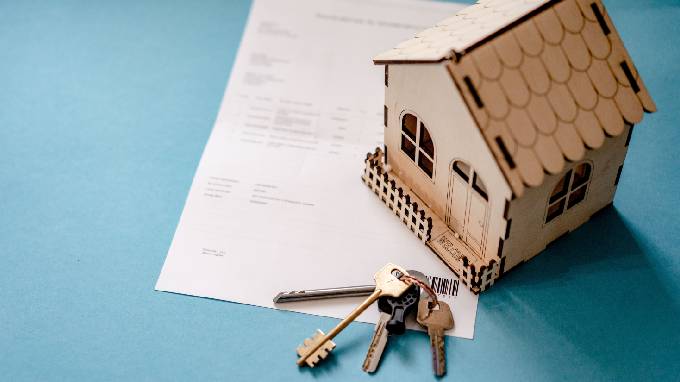
Residential vs Commercial Property: Differences Every Buyer Should Know
When planning to invest in real estate, one of the biggest decisions is whether to buy a residential property or a commercial property. Both options can help you build long-term wealth, but they differ in price, rental income, maintenance, risks and the type of buyers or tenants they attract.
Residential property includes flats, apartments, independent houses and villas. Commercial property includes shops, offices, showrooms, restaurants and other spaces used for business activities.
Residential property is often more suitable for first-time buyers and people who want a home for their family. Commercial property may suit investors who have a larger budget and want to generate rental income from businesses.
Before making a decision, it is important to understand how these two property types work.
1. What Is Residential Property?
Residential property is designed primarily for people to live in. It includes apartments, builder floors, independent houses, villas and residential plots.
You can purchase residential property for personal use, rent it to tenants or hold it as a long-term investment.
Advantages of residential property:
Suitable for personal use and family living.
Generally offers more options at different price points.
Can attract tenants such as families, students and working professionals.
May be easier to resell because of demand from both homebuyers and investors.
Can provide long-term capital appreciation if the location and property are chosen carefully.
However, rental income from residential property may be relatively low compared with the purchase price. Owners must also manage repairs, tenant changes, maintenance and periods when the property remains vacant.
2. What Is Commercial Property?
Commercial property is used for business activities and income generation. Common examples include retail shops, office spaces, showrooms, warehouses and commercial units in business complexes.
Investors often buy commercial property to earn rent from businesses or companies. Some buyers also purchase commercial spaces for their own businesses.
Advantages of commercial property:
Potential for higher rental yields in suitable locations.
Business tenants may sign longer leases.
Lease agreements may include scheduled rent increases.
Prime commercial locations can attract established companies and brands.
Can diversify an investor's property portfolio beyond housing.
However, commercial property often requires a higher initial investment. Finding a suitable tenant can be difficult, and rental income may fall when businesses struggle or the local commercial market weakens.
3. Key Differences Between Residential and Commercial Property
Here is a quick comparison of the two options.
Factor | Residential Property | Commercial Property |
|---|---|---|
Main purpose | Living and personal use | Business activities |
Examples | Flats, houses, villas | Shops, offices, warehouses |
Initial investment | Often lower | Often higher |
Rental yield | Generally lower | Potentially higher |
Tenant type | Families, individuals, students | Companies, retailers, businesses |
Lease duration | Often shorter | Often longer |
Vacancy risk | Depends on location and demand | Can be significant if business demand weakens |
Maintenance | Repairs and residential upkeep | May involve specialised systems and higher operating costs |
Financing | Residential home loans may be available | Commercial financing terms may differ |
Resale market | Homebuyers and investors | Businesses and commercial investors |
Main risk | Low rent, vacancies and property upkeep | Tenant concentration, business cycles and longer vacancies |
These are general differences, not fixed rules. The actual cost, rental yield and resale demand depend on the property, city, location and market conditions.
4. Which Property Offers Better Rental Income?
Rental income is one of the main reasons people invest in real estate.
Commercial property can offer a higher rental yield than residential property, particularly in established office districts and busy retail locations. However, higher advertised rent does not automatically mean higher profit.
Recent Indian market guides commonly cite gross rental yields of around 2%–4% for residential property and 6%–10% for some commercial investments. These are broad indicative ranges, not guaranteed returns. Actual yields vary significantly by asset type, location, purchase price and tenant quality. Source: Moneycontrol
Example: Residential property
Suppose you purchase a flat for ₹50 lakh and rent it out for ₹18,000 per month.
Annual rent: ₹2,16,000
Purchase price: ₹50,00,000
Gross rental yield: 4.32%
Example: Commercial property
Suppose you purchase a shop for ₹80 lakh and rent it out for ₹50,000 per month.
Annual rent: ₹6,00,000
Purchase price: ₹80,00,000
Gross rental yield: 7.5%
In this example, the commercial property offers a higher gross rental yield.
However, these examples are illustrative. You must also account for property taxes, maintenance, repairs, insurance where applicable, vacancy periods, financing costs and other expenses to estimate your net return.
Read our guide on [How to Calculate Rental Yield Before Buying a Property to Rent Out] to compare potential returns more accurately.
5. Which Property Requires a Bigger Budget?
The investment amount depends on the city, locality, property size and quality.
In many markets, residential flats provide more entry-level options for individual buyers. Commercial spaces in established business districts may require a much larger investment, especially when buying a retail unit or office with good tenant demand.
Before investing, calculate the complete cost rather than looking only at the advertised price.
Include:
Down payment and loan-related expenses
Stamp duty and registration charges
Applicable GST, if any
Brokerage, where applicable
Interior work and fit-out expenses
Maintenance and other recurring charges
For commercial property, also check whether the unit is ready for use, whether the tenant needs additional fit-outs and which expenses are the owner's responsibility under the lease agreement.
A property that appears affordable at first may become expensive after these costs are included.
6. Residential vs Commercial Property: Financing Differences
Financing terms can influence the overall profitability of your investment.
Residential property buyers may qualify for home loans subject to the lender's eligibility criteria, income assessment, property valuation and other requirements.
Commercial property financing may have different interest rates, loan-to-value ratios, repayment periods and documentation requirements. The exact terms depend on the lender and the type of property.
Before taking a loan, compare:
Interest rate and total interest payable
Required down payment
Loan tenure and monthly EMI
Processing and other charges
Expected rent after expenses
Your ability to pay EMIs if the property remains vacant
Do not assume that rental income will always cover your EMI. Keep sufficient savings to manage loan payments and property expenses during periods without a tenant.
7. Which Property Is Easier to Manage?
Residential property management generally involves finding tenants, collecting rent, handling repairs and renewing rental agreements. It can be manageable for an individual owner, although frequent tenant changes may require additional effort.
Commercial property management can involve more detailed lease negotiations, business-specific requirements, common-area charges, fit-outs and maintenance of specialised facilities.
A commercial tenant may be responsible for certain operating costs under the lease, but this depends on the contract. The owner should never assume that all maintenance expenses will automatically be paid by the tenant.
Before buying either type of property, understand your responsibilities and consider whether you can manage them yourself or need professional assistance.
8. Risks Every Buyer Should Understand
Both residential and commercial properties carry risks. The main difference is how those risks affect your investment.
Residential property risks
Rent may not increase as quickly as expected.
Tenants may leave, causing temporary loss of income.
Repair and maintenance expenses can reduce profits.
Too many similar flats in the locality may affect rental demand.
Property prices may stagnate or fall in an unfavourable market.
Commercial property risks
A business tenant may close or move elsewhere.
Finding a replacement tenant may take several months.
A property designed for one type of business may be difficult to lease to another.
Economic slowdowns can affect office demand and retail sales.
Higher purchase costs may make resale more difficult.
Commercial property can generate attractive income when the location, tenant and lease terms are strong. But if the unit stays vacant for a long period, the owner may face substantial financial pressure.
Evaluate the property on its own merits instead of assuming that one category is always safer or more profitable.
9. Legal Checks Before Buying
Legal verification is important for both residential and commercial property.
Before paying a booking amount or token money, review the following:
Ownership documents and property title
Encumbrances and pending legal disputes
Approved building plans and applicable permissions
Permitted land use and the property's approved purpose
Occupancy or completion certificates, where applicable
Applicable RERA registration and disclosures
Outstanding property tax or maintenance dues
For commercial property, pay special attention to whether the unit is legally approved for the intended business activity. A space suitable for an office may not automatically be permitted for a restaurant, warehouse or another use.
For residential property, verify that the property can legally be used for housing and that the relevant approvals are in place.
RERA coverage and requirements depend on the project and applicable law. Check the relevant state RERA authority's official portal and seek independent legal advice before committing to a purchase.
10. Tax and Other Charges to Consider
Taxes can affect the returns you receive from either property type.
Rental income is generally taxable, subject to the applicable income-tax rules and deductions. The tax treatment of residential and commercial property can differ depending on how the property is used, the ownership structure, financing and other circumstances.
GST treatment also depends on the transaction. For example, renting a residential dwelling for use as a residence is generally treated differently from renting commercial premises. The rules for under-construction property purchases also differ by category and applicable conditions.
Because tax laws and exemptions can change, confirm the current rules with a qualified tax professional before calculating your expected returns.
Do not compare residential and commercial investments using rental income alone. Calculate the expected return after recurring expenses, taxes and financing costs.
11. Which Is Better for First-Time Investors?
The right option depends on your budget, purpose and ability to manage risk.
Residential property may suit you if:
You are buying your first property.
You want a home for yourself or your family.
You have a limited investment budget.
You prefer a wider pool of potential tenants and buyers.
You want the option to use the property personally in the future.
Commercial property may suit you if:
You have sufficient capital and emergency savings.
You are focused on rental income.
You understand the local business and commercial property market.
You can handle longer vacancy periods.
You have checked the tenant profile, lease terms and expected net yield.
If your main goal is long-term wealth creation, neither option is automatically better. The purchase price, location, demand, financing and holding period can matter more than the category of property itself.
Conclusion
Residential and commercial property offer different opportunities for buyers and investors. Residential property may be a practical starting point for people who want a home or a relatively accessible rental investment. Commercial property may provide higher rental income, but it can require more capital and carry greater vacancy and business-related risks.
Before making a decision, compare the total purchase cost, realistic rental income, ongoing expenses, legal approvals and resale demand. Choose a property that fits your financial situation rather than selecting one only because its advertised rental yield looks attractive.
A well-researched investment in the right location can be more valuable than buying an expensive property without understanding its risks.
Disclaimer: This article is for general educational purposes only and is not financial, legal or tax advice. Property values and rental returns are not guaranteed. Conduct independent research before investing.
Related articles
- Residential vs Commercial Property: Key Differences
- Dubai vs India Real Estate Investment: Key Differences
- Luxury Housing vs Affordable Housing: Key Market Differences
- How Urbanisation Is Changing India's Residential Property Market
- How to Calculate Rental Yield on Commercial Property
- How to Increase Rental Income from a Residential Property