
Home › Articles › Palwal-Ballabhgarh Metro route, station and latest updates
Palwal-Ballabhgarh Metro route, station and latest updates
By PropertyGeld Editorial Team
Published on PropertyGeld:
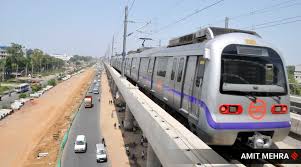
The Palwal–Ballabhgarh Metro is a proposed rapid transit corridor aimed at improving connectivity between Faridabad’s Ballabhgarh and Palwal district in Haryana. The project received approval from the Haryana government on June 25, 2023, and is expected to play a crucial role in strengthening transport infrastructure across the National Capital Region (NCR).
The planned metro line will span approximately 24 kilometres and include 10 stations. Preparation of the Detailed Project Report (DPR) is currently underway and is expected to be completed by mid-2025. The project is also planned to integrate with major transport corridors such as the Kundli–Manesar–Palwal (KMP) Expressway and the Haryana Orbital Rail Corridor, ensuring seamless regional mobility.
According to officials, the metro corridor will connect with important transit points including Raja Nahar Singh Metro Station, Ballabhgarh Railway Station, the local bus terminal in Ballabhgarh, and Palwal Bus Stand.
Palwal–Ballabhgarh Metro: Key Highlights
| Feature | Details |
|---|---|
| Project Name | Palwal–Ballabhgarh Metro |
| Total Length | 24 km |
| Number of Stations | 10 |
| Starting Point | Raja Nahar Singh Metro Station (Ballabhgarh) |
| End Point | Palwal Bus Stand |
| Implementing Agency | Haryana Mass Rapid Transit Corporation |
| Estimated Cost | ₹4,320 crore |
| Current Status | DPR under preparation |
Current Status of the Palwal–Ballabhgarh Metro Project
The metro project is presently in the planning and feasibility stage. The DPR is being prepared to finalise route alignment, station locations, technology selection and financial planning.
RITES Limited has been entrusted with conducting the techno-economic feasibility study for the proposed corridor. Various Mass Rapid Transit System (MRTS) options such as elevated metro, underground alignment, and monorail systems are being evaluated based on cost efficiency, projected ridership and environmental considerations.
Route Alignment and Project Details
The proposed metro corridor will connect several industrial and residential pockets including Sector 58–59, Sikri, Softa, Prithla, Baghola, Alhapur, and Palwal. Final alignment will be decided in consultation with NHAI and other stakeholders.
The metro line will originate from Raja Nahar Singh Metro Station, which currently serves as the terminal station of the Delhi Metro Violet Line. This line provides direct connectivity to central Delhi, beginning from Kashmere Gate.
Palwal, located around 60 km from Delhi, already benefits from road connectivity through the Eastern Peripheral Expressway (KGP) and Western Peripheral Expressway (KMP), making it a strategic extension for metro connectivity.
Estimated Project Cost
The Palwal–Ballabhgarh Metro is expected to be developed primarily as an elevated corridor, with an average construction cost of ₹180 crore per kilometre. The total project cost is estimated at ₹4,320 crore.
Funding for the project will be led by the Haryana government, with possibilities of public–private partnership (PPP) models for additional financial support.
Proposed Metro Stations (Tentative)
-
Raja Nahar Singh Metro Station
-
Sector 58–59
-
Sikri
-
Softa
-
Prithla
-
Baghola
-
Alhapur
-
Sector X (Proposed)
-
Palwal (Proposed)
-
Palwal Bus Stand
Connectivity with Delhi Metro Network
Once operational, the Palwal–Ballabhgarh Metro will function as an extension of the Violet Line, enabling smooth interchange with other major Delhi Metro corridors including Red, Blue, Yellow, Pink and Magenta Lines. This will significantly reduce travel time for daily commuters travelling between Haryana and Delhi.
Multi-Modal Transport Integration
The project is designed to support multi-modal connectivity, allowing passengers to seamlessly shift between metro services, railways and bus networks. Integration with Ballabhgarh Railway Station and Palwal Bus Stand will enhance last-mile connectivity and commuter convenience.
Impact of Palwal–Ballabhgarh Metro on Real Estate
Improved NCR Connectivity
The metro corridor will strengthen links between Delhi, Faridabad and Palwal, making industrial zones and employment hubs more accessible for professionals.
Expansion of Residential Areas
Affordable housing options in Faridabad and Palwal are expected to attract buyers and tenants. Property prices are likely to appreciate as the project progresses.
Economic and Infrastructure Growth
The project will lead to improvements in local infrastructure such as roads, drainage systems and civic amenities, encouraging urban development.
Boost to Commercial and Mixed-Use Projects
Better accessibility will drive demand for office spaces, retail outlets and mixed-use developments, offering new opportunities for investors.
Top Investment Locations Along the Metro Corridor
| Area | Average Property Rate (₹/sqft) |
|---|---|
| Sector 58–59, Faridabad | ₹2,500 |
| Sikri | ₹15,777 |
| Prithla | ₹6,200 |
| Alhapur | ₹2,355 |
| Palwal | ₹6,340 |
Conclusion
The Palwal–Ballabhgarh Metro project is expected to transform connectivity and urban growth in southern NCR. With improved access, rising infrastructure investment and increasing real estate activity, the corridor presents long-term benefits for residents, commuters and investors alike. However, homebuyers should carefully evaluate local infrastructure, social amenities and long-term development plans before making investment decisions.
Related articles
- Palwal-Ballabhgarh Metro route, station and latest updates
- Delhi Metro Violet Line: Route Map, Stations, Timings & Everything You Need to Know
- Nehru Place Metro Station: Timings, Fare, Route Map & Entry/Exit Gates
- Delhi Metro Rail Corporation Golden Line (Silver Line): Route, Stations & Latest Construction Update
- Old Faridabad Metro Station: Route, Timings, Connectivity and Impact
- Delhi Metro Magenta Line: Route, Stations, Connectivity & Real Estate Impact