
Home › Articles › Kundli–Manesar–Palwal (KMP) Expressway: Route, Features and Impact on NCR Development
Kundli–Manesar–Palwal (KMP) Expressway: Route, Features and Impact on NCR Development
By PropertyGeld Editorial Team
Published on PropertyGeld:
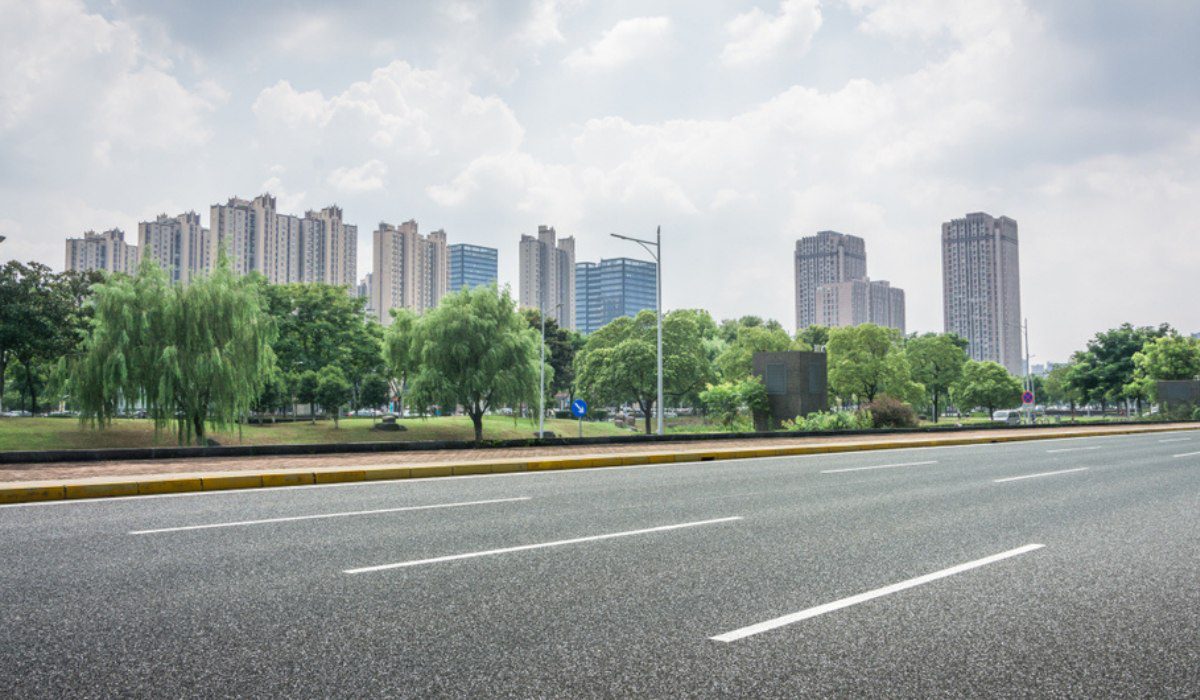
The Kundli–Manesar–Palwal (KMP) Expressway, also known as the Western Peripheral Expressway, is a major infrastructure project in Haryana designed to improve connectivity and reduce congestion in the Delhi-NCR region. This high-speed corridor plays a crucial role in diverting traffic away from Delhi and connecting key industrial and residential zones.
Overview of KMP Expressway
The KMP Expressway stretches for approximately 135 km, forming a semi-circular bypass around Delhi. It connects major locations such as Kundli, Manesar, and Palwal, passing through several districts of Haryana.
The expressway is designed as a six-lane, access-controlled highway that allows smooth and high-speed travel for both passenger and commercial vehicles.
Route and Connectivity
The expressway links multiple important national highways, including NH-1, NH-2, NH-8, and NH-10.
It connects key districts like Sonipat, Jhajjar, Gurugram, Nuh, and Palwal, improving regional accessibility and enabling faster movement between northern and southern parts of Haryana.
This strategic alignment helps vehicles, especially heavy trucks, bypass Delhi, significantly reducing traffic congestion in the capital.
Key Features of the Expressway
- Six-lane access-controlled highway for high-speed travel
- Designed speed up to 120 km/h for light vehicles
- Multiple underpasses, flyovers, and interchanges for smooth movement
- Dedicated safety features like patrol vehicles and emergency support
- Environment-friendly design with plantations and landscaping
The expressway is equipped with modern infrastructure elements to ensure efficient traffic flow and safety.
Benefits of KMP Expressway
1. Reduced Traffic in Delhi
One of the primary objectives of the expressway is to divert heavy vehicles away from Delhi. It is expected to reroute thousands of trucks daily, helping reduce congestion and pollution in the city.
2. Improved Regional Connectivity
The expressway provides seamless connectivity between industrial hubs such as Manesar, Bawal, Sohna, and Dharuhera, boosting logistics and trade efficiency.
3. Boost to Real Estate Development
Improved connectivity has led to increased interest in nearby areas for residential and commercial projects. Locations along the expressway are witnessing rising property demand and investment potential.
4. Faster Travel and Reduced Travel Time
With high-speed design and fewer interruptions, the expressway significantly reduces travel time between major destinations in Haryana and neighboring states.
Challenges and Limitations
Despite its advantages, the expressway faces certain issues:
- Limited availability of fuel stations and rest stops in some stretches
- Maintenance concerns in certain sections affecting travel quality
- Need for improved infrastructure facilities along the route
These challenges highlight the need for continuous upgrades and better management.
Impact on NCR Growth
The KMP Expressway is a game-changer for the NCR region. By improving connectivity and reducing traffic burden on Delhi, it supports economic growth and urban expansion in surrounding areas.
It has also opened new opportunities for industrial corridors, logistics parks, and residential developments along its route.
Conclusion
The Kundli–Manesar–Palwal Expressway has significantly enhanced transportation efficiency in Haryana and NCR. With its strategic location, modern infrastructure, and economic impact, it continues to play a vital role in regional development.
As infrastructure improves further, the areas surrounding the expressway are expected to witness even greater growth in the coming years.
Related articles
- Kundli–Manesar–Palwal (KMP) Expressway: Route, Features and Impact on NCR Development
- Faridabad–Jewar Expressway: Project Overview, Route Details and Development Impact
- Ganga Expressway Route, Map, Features & Real Estate Impact
- DMRC to Extend Delhi Metro Red Line from Narela to Kundli: Route, Stations & Impact
- National Highway 152D (Trans–Haryana Expressway): Route, Current Status & Real Estate Impact
- Purvanchal Expressway Route, Map, Toll & Real Estate Impact