
Home › Articles › Investment › Is Buying a Second Home a Good Investment in India?
Is Buying a Second Home a Good Investment in India?
By PropertyGeld Editorial Team
Published on PropertyGeld:
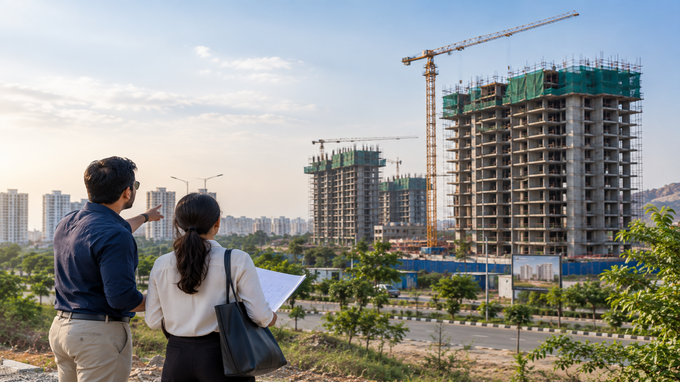
Is Buying a Second Home a Good Investment?
Buying a second home is a major financial decision. Some people purchase another property to earn rental income, while others buy a holiday home, a retirement property, or a house in a growing city with the hope that its value will increase over time.
In India, a second property can offer several benefits, including potential capital appreciation, rental income, and a physical asset for future use. However, it also comes with additional expenses such as property tax, maintenance, insurance, loan interest, and periods when the property may remain vacant.
So, is buying a second home a good investment?
The answer depends on your financial situation, the property's location, its purchase price, and how you plan to use it. In this guide, we explain the benefits, risks, costs, and important factors to consider before buying a second home in India.
What Is a Second Home?
A second home is an additional residential property purchased by someone who already owns or has access to a primary home.
People buy second homes for different reasons:
Rental income: To earn rent from tenants.
Capital appreciation: To benefit if the property's market value increases.
Holiday use: To have a personal getaway in a tourist destination.
Retirement planning: To live in another city or a quieter location later in life.
Family needs: To provide accommodation for family members.
Long-term security: To own an additional physical asset.
Your purpose matters because a property that works well as a holiday home may not be the best option for rental income or long-term investment returns.
Benefits of Buying a Second Home in India
1. Potential Capital Appreciation
One of the main reasons people buy a second property is the possibility of long-term price appreciation.
A property may increase in value when the surrounding area develops, connectivity improves, employment opportunities grow, or demand for housing increases.
For example, a residential property near an established employment hub may attract future buyers because of its access to offices, schools, hospitals, and public transport.
However, appreciation is never guaranteed. Prices can remain flat or decline, depending on local demand, supply, economic conditions, and the original purchase price.
Before investing, research recent transactions and avoid relying entirely on promises about future infrastructure or price growth.
2. Opportunity to Earn Rental Income
A second home can generate regular income if you rent it to tenants.
Rental demand may come from working professionals, families, students, or people relocating for employment. The property's location, condition, amenities, and rental price all influence how easily it can attract tenants.
Before buying, compare rents for similar properties in the same area. Also consider vacancy periods, repairs, property management, and society charges.
Do not assume that rental income will cover the entire home loan instalment. Calculate your likely net rental income and compare it with all ownership and financing costs.
3. A Property for Future Use
A second home can serve a personal purpose even if it does not generate strong financial returns.
For example, you may purchase a smaller apartment in a city where you plan to retire, or a home near family members. A holiday property may also provide a place to stay during personal trips.
If you intend to use the property yourself, evaluate its convenience and long-term suitability alongside its investment potential.
Personal enjoyment has value, but it should be distinguished from financial returns when comparing the property with other investment options.
4. Diversification of Assets
Owning a second property can increase the proportion of your wealth invested in real estate.
This may suit someone who wants an additional physical asset, but buying another property does not automatically create a well-diversified portfolio. If most of your wealth is already tied up in real estate, another property may increase your exposure to the same market.
Consider your overall assets, debts, emergency savings, and other investments before committing a large amount of money to a second home.
5. Potential Long-Term Rental Demand
Some locations have consistent demand from people who need accommodation close to employment centres, educational institutions, hospitals, or transport facilities.
A second home in such a location may have a better chance of attracting tenants than a property purchased mainly because it looks attractive or is being heavily promoted.
Research the actual rental market rather than assuming that every residential property will generate steady income.
Risks of Buying a Second Home
1. High Purchase and Ownership Costs
A second property involves more than the purchase price.
You may need to pay:
Stamp duty and registration charges
Brokerage, where applicable
Legal verification fees
Home loan processing charges
Property tax
Society maintenance charges
Repairs and renovation expenses
Insurance and property management costs
These expenses can reduce the return on your investment. Prepare a complete budget before deciding how much you can afford.
2. Loan Repayments Can Increase Financial Pressure
If you finance the second home with a loan, you will need to manage another financial commitment alongside your existing expenses.
Your primary home loan, household costs, and the second property's EMI can put pressure on your finances if your income falls or the rental property remains vacant.
Before borrowing, check whether you can afford the payments without depending on uninterrupted rental income. Keep enough emergency savings to cover unexpected expenses and temporary loss of income.
3. Rental Income May Be Lower Than Expected
Rental returns can be affected by high purchase prices, local competition, tenant turnover, and maintenance expenses.
For example, a property may look attractive because it generates ₹25,000 per month in rent. But after accounting for vacant periods, repairs, maintenance, and taxes, the amount you keep may be considerably lower.
Calculate net rental yield before buying rather than relying only on the advertised rent.
4. Property May Be Difficult to Sell Quickly
Real estate is generally less liquid than investments that can be sold on a market with frequent transactions.
If you suddenly need money, selling a second home may take time. You may also need to lower the asking price to attract a buyer.
Do not invest money in a second property if you expect to need it for an important short-term expense.
5. Holiday Homes May Remain Unoccupied
A holiday home can be enjoyable, but it may generate little income if you use it only occasionally.
Properties in tourist destinations may also face seasonal demand, maintenance challenges, and additional management costs. If you plan to rent the property to holidaymakers, check local rules and realistically estimate occupancy.
A holiday home should be evaluated as both a lifestyle purchase and a financial commitment.
6. Legal and Documentation Problems
Before purchasing a second home, verify ownership, title history, relevant approvals, property tax payments, and any outstanding dues.
For under-construction projects, review applicable state RERA registration and project disclosures. For plots or properties with unusual ownership histories, additional legal checks may be necessary.
Have an independent property lawyer review the documents before paying a substantial token amount or signing a binding agreement.
Is Buying a Second Home Better Than Investing in Stocks or Fixed Deposits?
The right investment depends on your goals, risk tolerance, and time horizon.
Factor | Second Home | Stocks | Fixed Deposits |
|---|---|---|---|
Initial investment | Usually high | Can start with a relatively small amount | Can start with a relatively small amount |
Potential returns | Rent and property appreciation | Dividends and potential price growth | Interest income |
Liquidity | Generally low | Listed shares are generally easier to sell | Depends on deposit terms and premature withdrawal rules |
Ongoing costs | Maintenance, taxes, repairs, and other expenses | Brokerage and applicable charges | Usually limited ongoing ownership costs |
Main risks | Price decline, vacancy, legal issues, and high costs | Market volatility and potential losses | Inflation risk and applicable bank or issuer risk |
Personal use | Possible | No | No |
A second home may suit investors who have sufficient capital, want property for personal use, or can identify a property with attractive expected returns.
Stocks and fixed deposits may be more suitable for people who prioritise flexibility, liquidity, or simpler ownership. Neither is automatically better for every investor.
How to Calculate the Return on a Second Home
Before purchasing, estimate how much income the property could generate and how its value might change over time.
1. Calculate Gross Rental Yield
Gross rental yield compares annual rent with the property's purchase price.
Formula:
Gross Rental Yield = (Annual Rental Income ÷ Property Purchase Price) × 100
Suppose you purchase a second home for ₹60 lakh and rent it for ₹25,000 per month.
Annual rental income: ₹25,000 × 12 = ₹3,00,000
Purchase price: ₹60,00,000
Gross rental yield: 5% per year
This is a gross figure before vacancy, repairs, maintenance, taxes, and other expenses.
2. Calculate Net Rental Yield
Net rental yield accounts for relevant operating expenses.
Formula:
Net Rental Yield = (Annual Rental Income − Annual Operating Expenses) ÷ Total Property Cost × 100
Suppose the property generates ₹3 lakh in annual rent and has ₹60,000 in annual operating expenses. If the total property cost is ₹64 lakh, the net rental yield before financing costs and income tax is approximately 3.75%.
This calculation offers a more realistic view of the property's income potential.
3. Estimate Capital Appreciation
Suppose the property is purchased for ₹60 lakh and its market value increases to ₹72 lakh after five years.
The increase in value is ₹12 lakh, or 20% over the five-year period.
However, this does not represent your final profit. You must also account for purchase expenses, repairs, selling costs, financing expenses, and applicable taxes. The actual value may also be lower than your estimate when you decide to sell.
4. Evaluate the Total Return
A second home can potentially generate both rental income and capital appreciation.
For a meaningful comparison, consider:
Rental income received over the holding period
Vacancy and operating expenses
Changes in the property's market value
Purchase and selling costs
Loan interest and other financing expenses
Applicable taxes
If the property is intended for personal use, also consider its practical benefits, but keep those benefits separate from the financial return calculation.
When Does Buying a Second Home Make Sense?
A second home may be worth considering if:
You have stable finances. Your existing housing costs and regular expenses are manageable.
You have emergency savings. You will not need to sell the property immediately if an unexpected expense occurs.
You have researched the location. Local rental demand and resale prospects are supported by evidence.
The numbers make sense. Expected rent and appreciation reasonably justify the total cost and risks.
You have a clear purpose. You know whether the property is for income, appreciation, retirement, or personal use.
You can manage the property. You have a plan for tenants, maintenance, repairs, and other responsibilities.
You understand the legal position. Ownership and relevant approvals have been checked.
If the purchase requires excessive borrowing, uses all your savings, or depends on unrealistic rental assumptions, waiting may be the more sensible decision.
Tax Considerations for a Second Home in India
Owning a second residential property can have tax implications, particularly when the property is rented out or financed through a home loan.
The applicable treatment may depend on factors such as whether the property is self-occupied or let out, how it is used for tax purposes, the loan details, and the tax rules in force for the relevant financial year.
Before purchasing, consider obtaining advice from a qualified tax professional about:
Tax treatment of rental income
Eligible deductions and the applicable tax regime
Treatment of home loan interest
Tax implications when selling the property
Stamp duty and registration charges applicable in the state
Do not assume that every expense or loan interest payment will automatically qualify for a tax deduction. Eligibility and limits depend on the applicable rules and individual circumstances.
Common Mistakes to Avoid When Buying a Second Home
Buying Only Because Property Prices May Rise
Future appreciation is uncertain. Research current market conditions and avoid buying solely because a broker or developer predicts higher prices.
Ignoring Total Ownership Costs
A property that appears affordable at the purchase stage may become expensive once taxes, maintenance, repairs, and financing costs are included.
Depending Entirely on Rental Income
Vacancy and unexpected repairs can interrupt income. Make sure you can manage the property even when rent is temporarily unavailable.
Choosing a Holiday Location Without Research
A scenic location does not automatically provide strong rental demand or easy resale. Consider accessibility, local rules, seasonal occupancy, and maintenance arrangements.
Investing All Your Savings in Property
A second home can tie up a large share of your wealth. Maintain emergency funds and consider how the purchase affects your other financial goals.
Frequently Asked Questions (FAQs)
1. Is buying a second home a good investment in India?
It can be a good investment when the property is reasonably priced, financially affordable, legally sound, and supported by genuine rental demand or long-term appreciation potential. However, returns are not guaranteed, and high ownership costs can reduce profitability.
2. Is it better to buy a second home for rent or personal use?
A rental property should be assessed mainly on rental demand, net yield, expenses, and resale potential. A personal-use property should also be evaluated for convenience and lifestyle benefits. Decide which purpose matters most before purchasing.
3. Can I get a home loan for a second home?
Eligible buyers may be able to obtain a home loan for a second residential property. Approval, interest rates, loan amount, and repayment terms depend on the lender's policies, your income, existing obligations, credit profile, and the property.
4. Does a second home generate passive income?
A rented property may generate periodic income, but it is not completely passive. Owners may need to manage tenants, repairs, vacancies, rent collection, and legal or administrative matters. A property manager can help, but that service adds cost.
5. Is a second home better than buying land?
Neither option is universally better. A completed home may provide rental income and personal use, while land may appeal to buyers seeking potential appreciation. Both require legal verification and careful evaluation of location, costs, and resale demand.
6. What is a good rental yield for a second home?
There is no single rental yield that makes every property a good investment. Compare similar properties in the same locality and calculate net yield after operating expenses. Also consider financing costs, vacancy, potential appreciation, and your alternative investment options.
7. What should I check before buying a second property?
Check the property's market price, ownership documents, relevant approvals, outstanding dues, physical condition, maintenance costs, rental demand, financing affordability, and potential resale market. Seek independent legal and technical advice when appropriate.
Conclusion
Buying a second home in India can be a useful way to build wealth, earn rental income, or secure a property for future personal use. However, it also requires substantial capital and creates additional financial responsibilities.
The best decision depends on your objective, financial stability, location research, and the property's realistic costs and returns.
Before buying a second home, calculate the full cost, assess the rental and resale potential, verify the documents, and make sure the investment fits your long-term financial plan.
Related articles
- Is Buying a Second Home a Good Investment in India?
- Is Buying a Shop a Good Real Estate Investment?
- How to Assess Property Investment Risk Before Buying
- Property Valuation Methods: How Is House Market Value Estimated?
- How to Compare Rental Yields Across International Markets
- Buying Property in Europe: Guide for Indian Investors