
Home › Articles › Selling Guide › How to Prepare Your Home for Property Viewings
How to Prepare Your Home for Property Viewings
By PropertyGeld Editorial Team
Published on PropertyGeld:
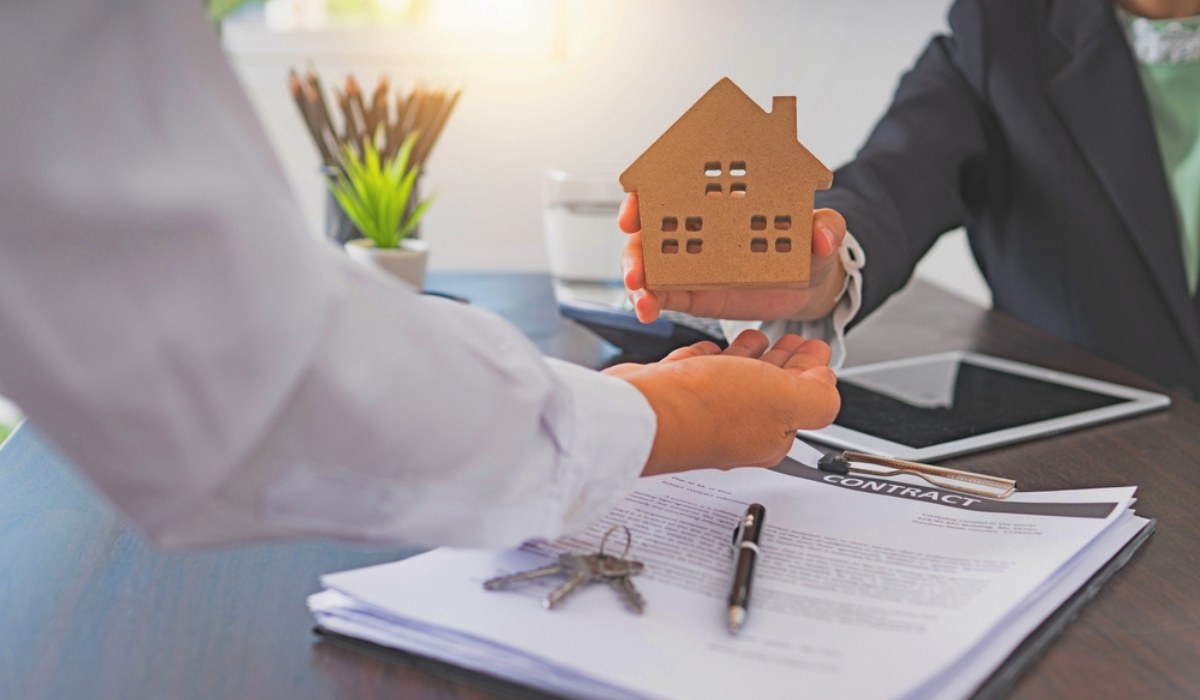
How to Prepare Your Home for Property Viewings
When selling a house or flat, the way you present your property can influence a buyer's first impression. Buyers usually want to imagine themselves living in the space, so a clean, organised, and well-maintained home can make your property more appealing.
You do not always need an expensive renovation to prepare your home for viewings. Small improvements, such as cleaning the rooms, improving lighting, fixing minor problems, and removing clutter, can make a noticeable difference.
Whether you are selling an apartment, an independent house, or a residential property in India, preparing it properly can help buyers understand its features and make their visit more comfortable.
In this guide, we explain how to prepare your home for property viewings, what to fix before buyers arrive, and which mistakes to avoid.
1. Clean Every Room Thoroughly
A clean home creates a better first impression and helps buyers focus on the property rather than the mess.
Before a viewing, clean the living room, bedrooms, kitchen, bathrooms, balconies, and entrance area. Pay attention to corners, windows, fans, switches, and other places where dust can collect.
Here are some important cleaning tasks:
Sweep and mop the floors.
Remove dust from furniture and shelves.
Clean windows and glass surfaces.
Wipe kitchen counters and cabinets.
Clean bathroom fittings, mirrors, and tiles.
Empty dustbins and remove visible stains.
Keep balconies and entrances tidy.
If your home has been vacant for some time, check for dust, cobwebs, dampness, or unpleasant smells before arranging a visit.
A professional cleaning service may be useful if the property requires extensive cleaning, but regular household cleaning is often enough to improve its appearance.
2. Remove Unnecessary Clutter
Too many belongings can make rooms look smaller and distract buyers from the property's layout.
Remove unused furniture, old cartons, unnecessary decorations, and items that occupy valuable floor space. Keep tables, shelves, and countertops reasonably clear.
For example, if your living room has several chairs that are rarely used, consider moving some of them temporarily. This can make the room easier to walk through and help buyers understand the available space.
In bedrooms, organise wardrobes and keep the floors clear. Buyers may ask to see storage areas, so avoid overfilling cupboards with loose items.
You do not need to remove everything from your home. Keep a few simple decorations and useful furniture pieces so the rooms still feel comfortable and welcoming.
3. Make the Entrance Welcoming
The entrance is often the first area buyers see when they arrive. A clean and accessible entrance helps create a positive first impression.
Before the viewing, clean the main door, remove footwear or unnecessary objects blocking the entrance, and make sure the doorbell and lights work.
If you live in an apartment, tidy the area immediately outside your door while respecting the housing society's rules. For an independent house, check the gate, entrance path, and front area.
A small plant or simple decoration can improve the appearance if there is enough space. Avoid placing too many objects near the entrance.
The aim is to make the property feel easy to enter and well cared for from the beginning.
4. Improve Lighting and Ventilation
Bright rooms can feel more inviting during a property viewing. Open curtains and blinds to let in natural light, and switch on lights in darker areas.
Before buyers arrive, check that all important lights are working. Replace faulty bulbs and make sure staircases, corridors, bathrooms, and balconies are adequately lit.
Open windows before the viewing if the weather and surrounding conditions allow it. Good ventilation can make the home feel fresher.
If a room receives limited natural light, use suitable artificial lighting rather than trying to hide the issue. Buyers should be able to see the property's actual condition.
For evening visits, check the lighting in the entrance, living room, kitchen, and other areas buyers are likely to inspect.
5. Fix Minor Repairs Before the Visit
Small maintenance problems can make buyers wonder whether the property has been neglected.
Walk through the house and identify issues that can be repaired easily. Common examples include:
Leaking taps or loose handles
Faulty switches and lights
Doors that do not close properly
Loose cupboard hinges
Minor wall marks
Damaged doorbells
Dripping shower fittings
Cracked or broken fittings that need attention
You do not need to renovate the entire property before showing it. Focus on practical repairs that improve everyday use and safety.
If you notice serious dampness, structural cracks, exposed electrical wiring, or other major problems, do not simply cover them up. Arrange an appropriate inspection and disclose relevant issues honestly.
Buyers appreciate accurate information, and addressing genuine problems early can reduce disputes later.
6. Make the Kitchen Look Organised
The kitchen is an important area for many homebuyers. They may want to assess storage, counter space, ventilation, and the overall condition of the fittings.
Clean the countertops, sink, stove area, cabinet doors, and visible appliances. Store unnecessary utensils and remove old food containers from the counters.
Keep frequently used items organised rather than leaving everything in view. If buyers ask to inspect cabinets, make sure they are reasonably tidy.
Check for leaking pipes, unpleasant smells, and signs of moisture under the sink. Ensure that the kitchen has adequate lighting and that exhaust fans work, where installed.
You do not necessarily need a new modular kitchen to attract buyers. A clean, functional, and well-maintained kitchen can present the existing space more effectively.
7. Pay Special Attention to Bathrooms
Bathrooms should be clean, dry, and easy to inspect.
Before the viewing, clean the toilet, washbasin, taps, shower area, mirrors, and visible tiles. Remove used towels, laundry, empty bottles, and personal toiletries.
Check that taps and flush systems work properly. Repair minor leaks and remove standing water where possible.
Keep fresh towels neatly arranged if you choose to leave them in the bathroom. Make sure the exhaust fan or ventilation system works, if available.
If there are visible signs of mould, seepage, or damaged fittings, investigate them rather than relying only on cleaning products to improve the appearance.
A well-maintained bathroom can help buyers feel more confident about the property's overall condition.
8. Keep Bedrooms Comfortable and Spacious
Bedrooms should help buyers understand how their furniture and belongings might fit into the space.
Make the beds, organise bedside tables, and keep clothing and personal items out of sight. Remove unnecessary furniture if it makes the room difficult to move around in.
Open curtains to show the available light and keep wardrobes organised. If storage space is a selling point, make sure it is accessible for inspection.
Avoid filling the room with excessive decorations or large furniture pieces that make it difficult to judge the actual floor area.
For a vacant property, a few simple furnishings may help demonstrate how the room can be used, but furnishing is not essential for every sale.
9. Check Balconies, Gardens, and Outdoor Areas
Outdoor spaces can be valuable features, particularly in apartments with balconies or houses with gardens.
Remove rubbish, sweep the floor, and arrange plants neatly. Keep drains clear and check that railings, gates, and other visible fittings are in suitable condition.
If the property has a garden, trim overgrown plants and tidy the entrance path. For a balcony, remove unused containers and objects that reduce the usable space.
Do not block access to utility areas or hide maintenance issues. Buyers should be able to assess the space safely.
A tidy outdoor area can help visitors understand how they might use it for relaxation, gardening, or other everyday activities.
10. Remove Unpleasant Smells
Unpleasant smells can affect a viewing even when the home looks clean.
Identify the source instead of simply masking it with strong room fresheners. Check dustbins, drains, kitchen areas, bathrooms, and any damp spaces.
If pets live in the property, clean pet bedding and keep the area tidy before visitors arrive. Store litter trays or other pet-related items appropriately where practical.
Open windows when possible and allow fresh air to circulate.
Avoid using excessive perfume, incense, or air fresheners. Strong fragrances may be uncomfortable for visitors and can sometimes raise concerns about whether an odour is being concealed.
11. Prepare the Property Documents and Key Information
A property viewing is not only about appearance. Serious buyers may ask questions about ownership, maintenance charges, parking, the age of the building, and the property's condition.
Prepare the relevant information in advance, including:
Property size and area measurement
Number of bedrooms and bathrooms
Monthly maintenance charges
Parking arrangements
Age and condition of the property
Recent repairs or renovations
Availability of relevant ownership documents
Outstanding home loan or property dues, if any
You do not need to hand over original documents during an initial visit. Keep sensitive records secure and provide appropriate copies or arrange formal verification when necessary.
Answer questions honestly. If you do not know an answer, explain that you will verify it rather than guessing.
12. Make Buyers Feel Comfortable During the Viewing
A property viewing should allow buyers to explore the home without feeling rushed or uncomfortable.
Arrive before the scheduled time and ensure the rooms are ready. Keep pets safely away if they may distract or worry visitors.
If possible, allow buyers to walk through the property at their own pace. Answer questions clearly, point out useful features, and give them enough space to discuss the property.
Avoid following visitors into every room or pressuring them to make an immediate offer. You can explain the property's advantages without making exaggerated claims.
For safety, consider having another person present during visits with unfamiliar buyers. Secure valuables, personal documents, medicines, and other private belongings.
13. Avoid These Common Mistakes
Before the viewing, make sure you are not making any of these mistakes:
Leaving rooms cluttered or poorly lit.
Ignoring visible maintenance problems.
Using strong fragrances to mask unpleasant smells.
Overcrowding rooms with unnecessary furniture.
Hiding important defects or giving misleading information.
Leaving personal documents and valuables in open areas.
Failing to prepare answers about maintenance and property details.
Rushing buyers or pressuring them to make an offer.
A well-prepared property should look inviting while still giving buyers an accurate picture of what they are considering.
Final Checklist Before Property Viewings
Use this simple checklist before each visit:
Clean floors, windows, kitchen, and bathrooms.
Remove unnecessary clutter.
Make beds and organise furniture.
Open curtains and check lighting.
Fix minor repairs where possible.
Tidy balconies, gardens, and entrances.
Check ventilation and unpleasant smells.
Secure personal belongings and documents.
Prepare answers to common buyer questions.
Confirm the viewing time and make the property accessible.
Conclusion
Preparing your home for property viewings does not have to be expensive. Cleanliness, good lighting, organised rooms, minor repairs, and clear communication can help buyers assess the property more comfortably.
Focus on presenting the home's actual strengths rather than spending heavily on unnecessary improvements. Keep important information ready, address genuine maintenance issues, and make visitors feel welcome without pressuring them.
With a little planning before every visit, you can create a better viewing experience and help serious buyers make an informed decision.
Related articles
- How to Prepare Your Home for Property Viewings
- How NRIs Can Sell Property in India: Documents & Tax
- Common Mistakes to Avoid When Selling a House in India
- Common Mistakes to Avoid When Selling a House in India
- How to Negotiate a Property Deal as a Seller in India
- Best Ways to Advertise Your Property Online in India