
Home › Articles › Investment › How to Evaluate Property Resale Value Before Buying
How to Evaluate Property Resale Value Before Buying
By PropertyGeld Editorial Team
Published on PropertyGeld:
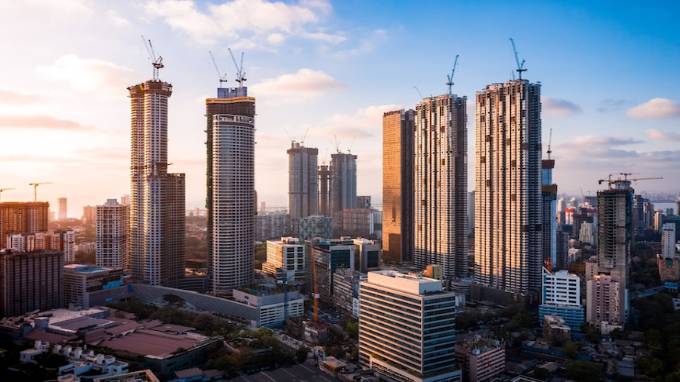
How to Evaluate the Resale Value of a Property Before Buying
Buying a property is a major financial decision, and its value when you decide to sell can be just as important as its purchase price. Whether you are buying a flat for your family or investing in real estate, understanding its potential resale value can help you make a smarter decision.
A property with strong resale demand may be easier to sell in the future, while a home in a poorly connected location or a building with maintenance problems may attract fewer buyers.
However, resale value is never guaranteed. It depends on market conditions, location, property condition, legal status, demand, and several other factors.
In this guide, we explain how to evaluate the resale value of a property before buying it in India.
1. Research Recent Property Transactions in the Area
The first step is to understand how much similar properties are actually selling for in the same locality.
Do not rely only on the seller's asking price. The advertised price may be higher than the final amount agreed upon between the buyer and seller.
Compare properties with similar characteristics, including:
Location and neighbourhood.
Carpet area and configuration.
Building age and condition.
Floor level and available amenities.
Parking and other facilities.
Legal status and possession availability.
You can research property portals, speak with local property dealers, and review available transaction records through the relevant state registration department.
For example, if similar 2 BHK flats in a locality have recently sold for around ₹65 lakh to ₹72 lakh, a flat priced at ₹85 lakh deserves closer examination. It may have special features that justify the premium, or it may simply be overpriced.
Use recent, comparable transactions wherever possible. Asking prices alone are not enough to establish a property's fair market value.
2. Evaluate the Location and Connectivity
Location plays a major role in resale demand. A well-located property may attract more buyers because it offers convenient access to workplaces, public transport, schools, hospitals, and shopping areas.
Before buying, evaluate:
Distance from the nearest metro station or major road.
Travel time to employment hubs.
Availability of schools and hospitals.
Road conditions and public transport.
Water supply, drainage, and other civic facilities.
Safety, cleanliness, and neighbourhood development.
Also consider whether the locality meets the needs of future buyers, not just your own requirements.
For example, a property near a metro station and a major employment centre may appeal to working professionals and families. This can support resale demand, although it does not guarantee higher future prices.
3. Check the Future Development of the Area
Planned infrastructure can influence future buyer interest. New metro lines, expressways, business parks, and commercial centres may improve connectivity and create employment opportunities.
Before assuming that a property will appreciate, verify the status of nearby development projects.
Check whether the project is:
Officially approved.
Under construction.
Nearing completion.
Only proposed or announced.
You can consult government announcements, development authorities, and official project updates.
Be careful with claims such as "prices will double after the new highway opens." Future infrastructure may support demand, but delays, oversupply, or existing market expectations can reduce the actual benefit.
4. Assess the Condition and Age of the Property
The physical condition of a property directly affects the interest it may receive from future buyers.
A well-maintained property may be easier to sell than a similar home requiring expensive repairs.
Inspect the following:
Structural condition and visible cracks.
Water leakage and dampness.
Plumbing and electrical systems.
Flooring, doors, windows, and fittings.
Lift and common-area maintenance.
Water supply and drainage.
Painting and renovation requirements.
For older apartments, ask about major repairs, society maintenance, and any planned renovation expenses.
Suppose you are comparing two flats priced at ₹60 lakh. One requires ₹4 lakh in repairs, while the other is in good condition. The first property's effective cost could reach ₹64 lakh before other purchase expenses.
Consider these costs when deciding whether the property offers good value.
5. Compare the Property's Price Per Square Foot
Price per square foot is a useful way to compare similar properties, provided the area measurements are consistent.
Use this formula:
Price per square foot = Property price ÷ Area in square feet
For example:
Property | Total price | Carpet area | Price per sq. ft. |
|---|---|---|---|
Flat A | ₹60 lakh | 900 sq. ft. | ₹6,667 |
Flat B | ₹68 lakh | 1,000 sq. ft. | ₹6,800 |
Flat C | ₹75 lakh | 1,000 sq. ft. | ₹7,500 |
In this example, Flat C has the highest price per square foot. However, that does not automatically mean it is overpriced. Its location, building quality, floor, amenities, and condition may justify the difference.
Always compare carpet area with carpet area rather than mixing it with built-up or super built-up area.
6. Understand Demand for the Property Type
Different property types attract different buyers.
For example:
1 BHK flats: May appeal to single professionals, couples, and some investors.
2 BHK flats: May attract small families and working professionals.
3 BHK flats: May appeal to larger families and buyers seeking more space.
Independent houses: May attract buyers who value privacy and land ownership.
Residential plots: May appeal to buyers planning to construct a home, subject to land-use and legal requirements.
Demand varies significantly by city, neighbourhood, price range, and buyer profile.
Before buying, research which configurations are selling relatively quickly in the locality and which have a large supply of competing properties.
A property that meets the needs of a broad group of buyers may have a wider resale market, but purchase price and local demand remain important.
7. Check the Builder's Reputation and Society Management
For apartments and gated communities, the builder's track record and the quality of society management can influence resale demand.
Check the following:
Construction quality of previous projects.
Timeliness of possession in earlier developments.
Availability of required approvals.
Maintenance of lifts, parking, and common areas.
Financial and operational condition of the housing society.
Pending disputes or major repair requirements.
A property in a poorly maintained building may become less attractive even if the flat itself is in good condition.
For under-construction properties, review the project's applicable RERA registration and disclosures. For completed properties, check the relevant completion or occupancy documentation, where required.
8. Verify Legal Documents Before Buying
Legal issues can affect a property's saleability and may create significant financial risks.
Before paying a substantial amount, arrange a legal review of relevant documents, including:
Title documents and ownership history.
Encumbrance records, where applicable.
Approved building plans and permissions.
Completion or occupancy certificates, where required.
Applicable RERA details and disclosures.
Property tax receipts and outstanding dues.
Society transfer requirements and relevant records.
For resale properties, verify that the seller has the legal right to transfer ownership and that any applicable loan or encumbrance can be properly cleared.
Requirements vary by state and property type, so consult a qualified property lawyer. Legal verification helps reduce risk but does not guarantee future appreciation.
9. Calculate the Total Cost of Ownership
A property's resale price alone does not determine whether it is a good purchase.
You should calculate the complete cost of buying, holding, and eventually selling the property.
Include:
Purchase price.
Stamp duty and registration charges.
Brokerage, if applicable.
Renovation and repair expenses.
Society maintenance and property taxes.
Loan interest and other borrowing costs.
Selling brokerage and applicable taxes when you sell.
For example, suppose you purchase a property for ₹60 lakh and spend another ₹5 lakh on purchase-related costs and initial improvements. Your total initial outlay becomes ₹65 lakh.
If you later sell it for ₹70 lakh, the ₹5 lakh difference is not necessarily your final profit. Holding costs, selling expenses, loan interest, and applicable taxes may reduce the amount you retain.
This is why buyers should consider the total investment rather than focusing only on the expected resale price.
10. Estimate Potential Future Resale Value
You can create a simple estimate of what a property might be worth after a certain period. One method is to use an assumed annual growth rate.
The formula is:
Estimated future value = Current value × (1 + Annual growth rate)^Number of years
Suppose a property is currently worth ₹60 lakh and you want to estimate its value after five years.
Assumed annual growth | Estimated value after 5 years |
|---|---|
0% | ₹60.00 lakh |
3% | ₹69.56 lakh |
5% | ₹76.58 lakh |
7% | ₹84.15 lakh |
These are illustrative calculations, not property price forecasts. Actual values may be lower or higher, and a property may lose value.
To make a more useful estimate, research historical local prices, current supply, rental demand, infrastructure progress, and competing developments. Consider a low-growth scenario as well as a more optimistic one.
11. Compare Resale Value With Rental Income
If you are purchasing a property as an investment, consider both potential resale value and rental income.
A property with moderate price appreciation but consistent rental demand may suit one investor, while another may prefer a property with stronger potential for long-term appreciation.
To calculate gross rental yield, use this formula:
Gross rental yield = Annual rental income ÷ Property purchase price × 100
For example, if a property costs ₹60 lakh and earns ₹20,000 per month in rent:
Annual rent: ₹2,40,000.
Purchase price: ₹60,00,000.
Gross rental yield: 4% per year.
This is the gross yield before maintenance, vacancies, taxes, repairs, and other expenses.
Compare rental yields with the purchase price and local market conditions. A high expected resale value does not necessarily make a property a good investment if the rental income is weak and the holding costs are high.
12. Check How Quickly Similar Properties Sell
Resale value is not only about the price you might receive. It is also about how easily you can find a buyer when you need to sell.
Research how long comparable properties remain advertised and ask local agents about actual sales activity.
Look for signs such as:
Regular transactions in the locality.
Reasonable demand for similar homes.
Limited competition from nearly identical properties.
A broad range of potential buyers.
Realistic pricing compared with recent transactions.
A property may have a high advertised price but limited buyer interest. If you need to sell quickly, you might have to accept a lower offer.
No single indicator can predict how quickly a property will sell, but researching local transaction activity can help you understand the risks.
13. Consider Future Maintenance and Redevelopment Risks
Some properties become less competitive over time because of ageing buildings, outdated layouts, or increasing maintenance requirements.
Before buying, consider whether the building may require major repairs, lift replacement, plumbing upgrades, or other expensive work in the future.
For older buildings, also understand the legal and practical requirements for redevelopment. Do not assume that redevelopment will happen or that existing owners will automatically receive a particular financial benefit.
A property with manageable maintenance requirements and well-run common facilities may be more attractive to future buyers.
Property Resale Value Checklist
Use this checklist before finalising your purchase.
Compared recent transactions for similar properties.
Checked price per square foot using consistent area measurements.
Evaluated location and transport connectivity.
Verified nearby infrastructure projects.
Inspected the building and property condition.
Checked demand for the property type and configuration.
Reviewed builder and society maintenance records.
Verified ownership and legal documents.
Calculated the total cost of ownership.
Estimated future value using conservative assumptions.
Compared rental potential and ongoing expenses.
Assessed how easily the property could be resold.
Frequently Asked Questions
1. How can I check the resale value of a property in India?
Compare recent transactions for similar properties in the same locality, review current listings, consult local property professionals, and check available registration records. Consider the property's condition, carpet area, legal status, amenities, and connectivity.
2. Which properties generally have better resale demand?
Properties in established locations with good connectivity, reliable civic facilities, legal clarity, and a price that matches local market conditions may attract stronger buyer interest. However, resale demand varies by location, property type, and market conditions.
3. Does a property's age affect its resale value?
Yes, age can affect resale value because older properties may need repairs or lack modern facilities. However, an older property in a prime location may still command a strong price because of its land value and neighbourhood.
4. How many years should I hold a property before selling it?
There is no universally ideal holding period. The right timing depends on your financial goals, purchase price, market conditions, transaction costs, rental income, and applicable tax rules. Buying property with a very short resale timeline can be risky because transaction costs may be substantial.
5. Can I predict the exact resale value of a property after five years?
No. You can estimate possible outcomes using local price trends and different growth assumptions, but exact future prices cannot be predicted reliably. Changes in demand, interest rates, infrastructure, and economic conditions can affect the result.
6. Is a property with high rental income always a good investment?
No. Rental income is only one part of the calculation. Consider the purchase price, vacancy risk, maintenance, taxes, loan costs, expected resale demand, and other expenses before making a decision.
Conclusion
Evaluating the resale value of a property before buying can help you avoid overpaying and make a more informed real estate decision. Focus on recent comparable transactions, location, connectivity, property condition, legal clarity, demand, and total ownership costs.
If you are investing, also assess rental yield and estimate future value under different scenarios. Avoid relying solely on promises of guaranteed appreciation or predictions about upcoming infrastructure.
The best property is not necessarily the one with the highest expected price increase. It is the one that fits your budget, serves your purpose, and has a resale profile supported by realistic market evidence.
Related articles
- How to Evaluate Property Resale Value Before Buying
- How to Evaluate an Emerging Real Estate Locality Before Investing
- How to Assess Property Investment Risk Before Buying
- Property Valuation Methods: How Is House Market Value Estimated?
- How to Analyse Real Estate Market Trends Before Buying a Property
- How to Calculate Rental Yield Before Buying a Property