
Home › Articles › Legal › How to Check Pending Court Cases on a Property in India
How to Check Pending Court Cases on a Property in India
By PropertyGeld Editorial Team
Published on PropertyGeld:
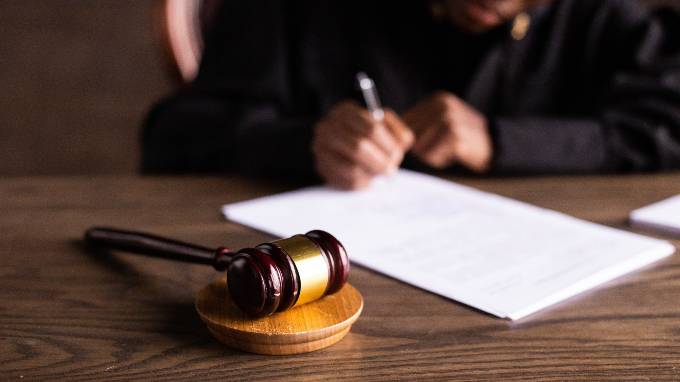
How to Check Pending Court Cases on a Property
Buying a house, flat or plot without checking its legal history can create serious problems. A property may be involved in an ownership dispute, inheritance case, mortgage recovery proceeding or court-ordered restriction.
Even if the seller has a registered Sale Deed, there could be an ongoing legal dispute affecting the property.
Before making a payment or signing an Agreement for Sale, buyers should check whether any court cases are pending against the property or its owners.
1. Why Should You Check Court Cases Before Buying Property?
A pending court case can affect your ownership rights, possession and ability to sell the property in the future.
Some common property-related disputes include:
Ownership and title disputes
Family inheritance and partition disputes
Disputes between buyers and builders
Property possession disputes
Mortgage and loan recovery cases
Illegal construction and land boundary disputes
Disputes involving housing societies
Under Section 52 of the Transfer of Property Act, 1882, the doctrine of lis pendens applies to certain pending cases involving rights in immovable property. A transfer during such litigation may remain subject to the final court decision. <Cite refs={["turn771880search1","turn771880search24"]}/>
2. How to Check Pending Property Cases on the eCourts Website
The Government of India's eCourts portal allows users to search district and subordinate court cases online.
Follow these steps:
Visit the official eCourts Services website.
Open the Case Status section.
Select the relevant state, district and court complex.
Choose the Party Name search option.
Enter the seller's name or another relevant person's name.
Enter the registration year.
Select Pending or Both if you also want to see disposed cases.
Enter the captcha and submit your search.
You can open individual results to check case details, hearing history and available orders.
The portal also supports searches using a CNR number, case number, filing number and advocate name. <Cite refs={["turn678265search0","turn678265search2","turn678265search4"]}/>
3. Check High Court and Supreme Court Cases
Searching only district court records is not enough.
A property dispute may have been appealed to a higher court. Therefore, buyers should also check:
High Courts: Visit the High Court eCourts portal and search using relevant party or case details.
Supreme Court: Check the Supreme Court of India website for case status and relevant judgments.
Also consider whether the property is involved in proceedings before a tribunal, such as a Debt Recovery Tribunal (DRT), consumer commission or revenue authority. These may require separate searches.
4. Which Names and Details Should You Search?
Searching only the current seller's name may not reveal every relevant dispute.
For better verification, collect and search:
Current owner's full name
Previous owners' names
Names of co-owners and legal heirs
Builder or developer's name, if applicable
Housing society or association name, where relevant
Property address, plot number, survey number or khasra number
Search different spellings and name variations where possible.
Remember that official eCourts party-name searches are generally conducted within selected court establishments and registration years. A name match alone does not prove that the case concerns your property.
5. What Should You Check in a Court Case?
If you find a possible case, do not stop at the case title.
Check these details:
Case subject: Does the dispute actually concern the property you plan to purchase?
Parties involved: Are the seller, previous owner or legal heirs involved?
Case status: Is the case pending, disposed of or under appeal?
Court orders: Check whether any injunction, stay or status quo order has been passed.
Latest hearing: Review the latest available order and next hearing date.
Property details: Match the property description in the case documents with the property being purchased.
Get copies of relevant pleadings and orders and ask a property lawyer to review them.
6. What If You Find a Pending Court Case?
Do not immediately assume that every pending case makes a property impossible to purchase. The seriousness depends on the nature of the dispute and the court's orders.
However, if the case directly concerns ownership, possession or transfer rights, avoid making a token payment or signing an agreement until your lawyer has assessed the risks.
Ask the seller for a written explanation and supporting legal documents. If necessary, consider another property instead of taking an uncertain legal risk.
Frequently Asked Questions
Q1. Can I check property court cases online for free?
Yes. The official eCourts portal provides online case information without a search fee, although some other document or certified-copy services may involve charges.
Q2. Can I search court cases using a property address?
The main eCourts case-status search does not provide a universal property-address search. You may need party names, case numbers and property identification details.
Q3. Does a registered Sale Deed mean the property has no court cases?
No. Registration of a Sale Deed does not guarantee that there are no pending ownership disputes or court proceedings.
Q4. Is an Encumbrance Certificate enough to check court cases?
No. An Encumbrance Certificate mainly records relevant registered transactions and encumbrances. It is not a complete record of court litigation.
Conclusion
Checking pending court cases is an important part of property due diligence in India. Buyers should search district courts, High Courts and other relevant legal forums using the names of current and previous owners.
However, online searches alone cannot guarantee that a property is free from litigation. A proper title search, review of court orders and advice from a qualified property lawyer can help protect your investment.
Related articles
- How to Check Pending Court Cases on a Property in India
- Plumbing and Water Supply Checklist for New Apartments
- How to Inspect Construction Quality Before Buying a Flat
- What Is a Khatauni? Meaning, Details and Importance
- What Is a Jamabandi Land Record? Meaning, Details and Uses
- Khata vs Patta vs Property Tax Records: Key Differences