
Home › Articles › Investment › Factors That Affect Property Prices in India
Factors That Affect Property Prices in India
By PropertyGeld Editorial Team
Published on PropertyGeld:
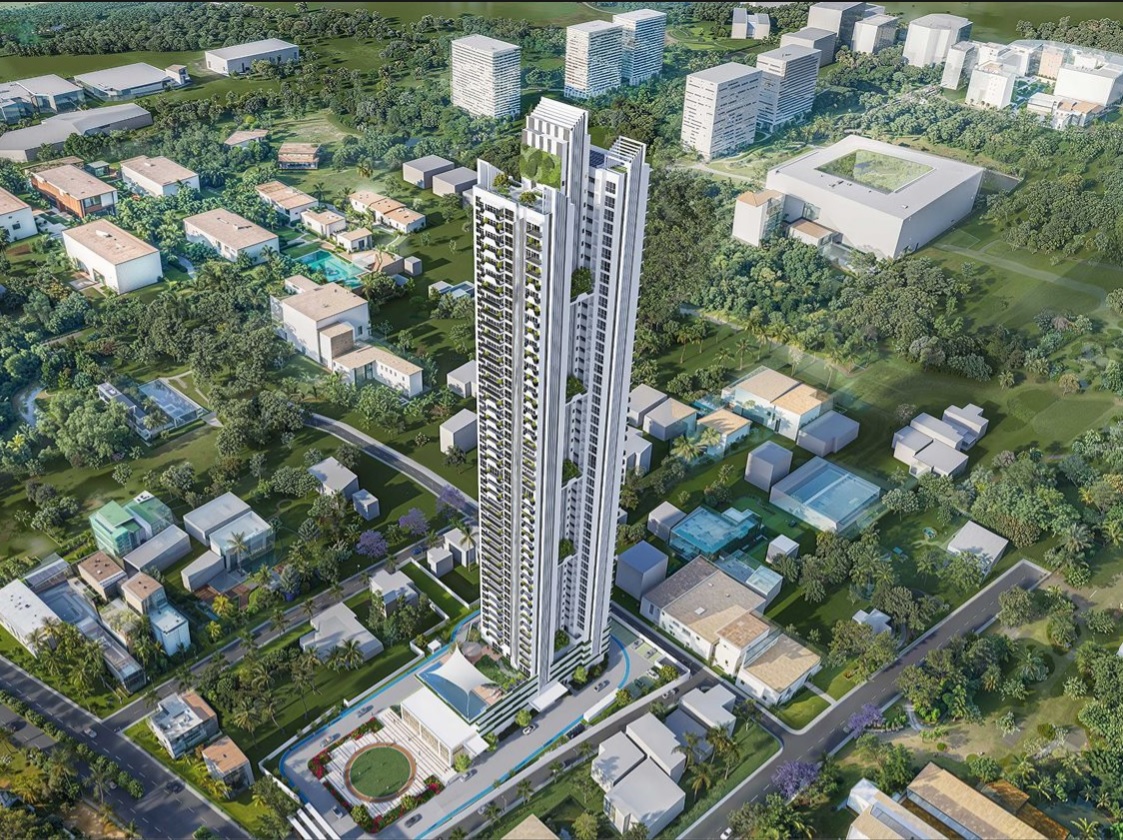
Factors That Affect Property Prices in India
Property prices in India vary widely from one location to another. A flat in a well-connected area of Delhi may cost significantly more than a similar property in a developing locality. Similarly, two apartments in the same residential society can have different prices depending on their floor, size, condition, and available amenities.
Understanding the factors that affect property prices in India can help homebuyers make informed decisions and help investors identify properties with long-term growth potential.
In this guide, we explain the major factors that influence property prices, how market conditions affect property values, and what buyers should check before investing in real estate.
1. Location and Connectivity
Location is one of the most important factors affecting property prices. Properties in areas with good infrastructure, employment opportunities, and essential services generally attract stronger demand.
Key location-related factors include:
Transport connectivity: Metro stations, railway stations, highways, and bus routes.
Employment opportunities: Proximity to IT parks, business districts, industrial areas, and commercial centres.
Essential services: Access to schools, hospitals, banks, and shopping centres.
Neighbourhood quality: Clean surroundings, safety, roads, and public facilities.
Future infrastructure: Planned metro extensions, expressways, and other development projects.
For example, a property near a metro station in Delhi or Noida may attract more buyers than a similar property with limited transport access.
However, buyers should verify whether proposed infrastructure projects have received official approval and are actually progressing. Announced projects do not guarantee future price appreciation.
2. Demand and Supply in the Property Market
Property prices are strongly influenced by the relationship between demand and supply.
When many buyers want homes in an area but only a limited number of suitable properties are available, prices may increase. When supply exceeds demand, sellers may need to reduce prices or offer better deals.
Demand can increase because of:
Population growth and migration to cities.
New employment opportunities.
Growth in household income.
Improved infrastructure and connectivity.
Increased interest from homebuyers and investors.
Supply depends on land availability, construction activity, government approvals, and the number of new residential projects.
For example, a growing employment hub may attract professionals and families, increasing demand for nearby rental homes and residential properties.
3. Infrastructure and Urban Development
Infrastructure development can influence the attractiveness and value of a location. Better roads, metro connectivity, drainage systems, water supply, and public transport can make an area more convenient to live in.
Major infrastructure developments that may affect property prices include:
Metro rail projects and new stations.
Expressways and highways.
Airports and regional transport hubs.
Business parks and industrial corridors.
Educational institutions and healthcare facilities.
Planned residential and commercial developments.
For instance, improved connectivity between a residential locality and a major employment centre may increase buyer interest.
However, the impact depends on the project's location, completion timeline, accessibility, and the extent to which the improvement is already reflected in current property prices.
4. Property Size, Layout, and Usable Area
The size and layout of a property have a direct impact on its total price.
Larger homes generally cost more than smaller homes in the same project, although the price per square foot may differ. A well-designed apartment can also attract more interest than a similarly sized property with poor space utilisation.
Important considerations include:
Carpet area and usable space.
Number of bedrooms and bathrooms.
Balcony size and ventilation.
Natural light and room layout.
Storage space and parking availability.
Floor level and views, where relevant.
Buyers should compare properties using consistent area measurements. Carpet area, built-up area, and super built-up area are different, so comparing prices without understanding these terms can lead to incorrect conclusions.
For a fair comparison, check the carpet area and the total price, along with any separately charged parking or other facilities.
5. Property Type and Construction Quality
Different property types can have different market values, even within the same locality.
Common property types include:
Apartments and flats.
Independent houses.
Builder floors.
Villas and gated-community homes.
Residential plots.
Commercial properties.
Prices also depend on construction quality, building maintenance, design, and the reputation and track record of the developer.
A property with better construction quality, efficient layouts, reliable maintenance, and useful amenities may attract more buyers. On the other hand, poor construction, water leakage, structural concerns, or neglected common areas can reduce buyer interest.
Before purchasing, review the property's condition, maintenance records, and applicable approvals.
6. Interest Rates and Home Loan Availability
Home loan interest rates influence the affordability of residential property.
When interest rates rise, monthly EMIs on new loans may increase, depending on the loan type and terms. This can reduce the budget available to some buyers. When borrowing becomes more affordable, some buyers may be able to consider higher-priced homes.
For example, suppose a buyer takes a home loan of ₹50 lakh for 20 years.
At an illustrative annual interest rate of 8%, the EMI would be approximately ₹41,822. At 9%, it would be approximately ₹44,986.
That is a difference of around ₹3,164 per month.
These figures are estimates for illustration; actual EMIs depend on the lender's rate, loan structure, fees, and terms.
Interest rates do not determine property prices on their own. Income levels, housing supply, buyer confidence, and local demand also play important roles.
7. Government Policies, Taxes, and Regulations
Government policies can affect property demand, development costs, and the overall affordability of real estate.
Relevant factors include:
Stamp duty and property registration charges.
Goods and Services Tax (GST), where applicable.
Property tax and other local charges.
Affordable housing policies and eligible subsidies.
Land-use regulations and building permissions.
Real estate regulations and project approvals.
Changes in infrastructure and development policies.
For example, higher transaction costs can increase the total amount a buyer needs to purchase a property. Changes to development rules may also influence the supply of new homes.
Tax treatment varies by property type, transaction, and buyer circumstances. Buyers should verify current rules with the relevant government department or a qualified professional before making financial decisions.
8. Economic Conditions and Inflation
The wider economy can affect property prices through employment, income growth, construction costs, and consumer confidence.
When the economy is growing and employment opportunities improve, more households may be able to purchase homes. Strong business activity can also increase demand for commercial property.
Inflation can increase the cost of construction materials, labour, transportation, and land development. These higher costs may influence the prices developers charge for new properties.
However, rising construction costs do not automatically result in equivalent increases in resale prices. Existing property values still depend on local demand, competing supply, affordability, and the condition of the property.
9. Rental Demand and Employment Hubs
Rental demand can influence the attractiveness of a property, particularly for investors who expect to earn income from tenants.
Areas near the following locations may experience rental demand:
IT parks and corporate offices.
Universities and colleges.
Hospitals and medical centres.
Industrial areas and business districts.
Metro stations and major transport routes.
A property with reliable rental demand may appeal to investors looking for regular rental income.
For example, a compact apartment near a large employment hub may attract working professionals. However, investors should also consider vacancy periods, maintenance expenses, property taxes, tenant turnover, and the purchase price.
A property with high rent is not necessarily a good investment if its purchase cost is disproportionately high.
10. Amenities and Facilities
Amenities can influence both buyer preference and property prices.
Common examples include:
Security systems and controlled entry.
Lifts and power backup.
Parking facilities.
Parks and landscaped areas.
Gymnasiums and swimming pools.
Community halls and recreational spaces.
Reliable water supply and waste management.
The value of these facilities depends on the target buyer, location, quality, and maintenance costs.
For example, families may prioritise security, open spaces, and nearby schools, while working professionals may value public transport and proximity to offices.
Buyers should assess whether the amenities are genuinely useful rather than paying a premium for facilities they may rarely use.
11. Floor Level, Facing, and Property Orientation
Within the same building, two apartments can have different prices because of their physical characteristics.
Factors that may influence the price include:
Floor level.
Views and privacy.
Natural light and ventilation.
Noise from roads or commercial areas.
Lift availability and reliability.
Balcony orientation and sunlight exposure.
Parking access and distance from common facilities.
Some buyers also consider Vastu preferences when choosing a property. This can influence demand in certain markets, although its impact varies by buyer and location.
A higher floor is not always more valuable. The final price depends on the building, the view, the availability of lifts, the local climate, and buyer preferences.
12. Legal Status and Property Documents
Legal clarity is an important factor in property valuation and resale potential.
Properties with unclear ownership, disputes, missing approvals, or restrictions on transfer may be harder to sell or finance. Buyers may also face legal and financial risks if important documents are not verified.
Before purchasing, check relevant documents such as:
Title documents and ownership history.
Encumbrance records, where applicable.
Approved building plans and permissions.
Applicable RERA registration and disclosures.
Occupancy or completion certificates, where required.
Property tax receipts and outstanding dues.
Society documents and transfer requirements, where relevant.
The documents required vary by property type and state. A qualified property lawyer should review the documents before a major payment or final agreement.
Legal verification helps reduce risk, but it does not by itself guarantee that a property will increase in value.
13. Age and Condition of the Property
The age of a property can influence its market price, although the effect is not the same in every location.
An older property may be less expensive because it needs repairs, has outdated facilities, or lacks modern layouts. However, an older home in a prime location may still command a high price because of its land value and connectivity.
Factors to examine include:
Structural condition.
Plumbing and electrical systems.
Waterproofing and leakage.
Lift and common-area maintenance.
Renovation requirements.
Building maintenance history.
Remaining useful life and redevelopment potential, where relevant.
When comparing an older resale property with a new apartment, include the likely repair and renovation costs in your budget.
14. Future Development and Growth Potential
The future development of an area can affect current buyer interest and expectations about property values.
Potential growth indicators include new employment centres, planned transport links, commercial development, and improving civic infrastructure.
However, future growth is not guaranteed. A planned project may be delayed, revised, or cancelled. Prices may also already reflect the market's expectations about development.
Before investing in an emerging locality, research:
Existing infrastructure and actual travel times.
Approved projects and their construction status.
Current residential supply and upcoming launches.
Local employment and population trends.
Water supply, drainage, and road conditions.
Recent transactions in comparable properties.
Do not rely solely on advertisements claiming that an area will become the next major property hotspot.
15. Market Sentiment and Investor Activity
Buyer expectations can influence property prices in the short term.
When buyers expect prices to rise, they may rush to purchase homes. This can increase demand, especially in popular neighbourhoods. Conversely, uncertainty about employment, the economy, or future prices can make buyers delay purchases.
Investor activity may also affect demand in certain locations, particularly where new infrastructure or commercial development attracts attention.
However, strong market sentiment does not always reflect the property's underlying value. Investors should compare asking prices with actual transactions, rental potential, property condition, and the area's long-term demand.
How to Evaluate Property Prices Before Buying
Before finalising a property, use the following checklist to understand whether its price is reasonable.
Compare similar properties: Check recent prices for homes of similar size, age, condition, and location.
Calculate the price per square foot: Use consistent area measurements, preferably carpet area for residential comparisons.
Check the total cost: Include stamp duty, registration, applicable taxes, brokerage, parking, maintenance deposits, and renovation expenses.
Research connectivity: Check actual travel times to workplaces, schools, hospitals, and public transport.
Review rental potential: If investing, estimate realistic rent and account for vacancy and ongoing expenses.
Verify legal documents: Have the relevant records reviewed by a qualified property lawyer.
Inspect the property: Check construction quality, water supply, ventilation, repairs, and common facilities.
Research local development: Verify infrastructure plans through official sources instead of relying only on sales claims.
For a more realistic comparison, review both the seller's asking price and recent transaction evidence where available. Asking prices alone may not show what buyers are actually paying.
Frequently Asked Questions
1. What is the biggest factor affecting property prices in India?
Location is often one of the most influential factors. Connectivity, employment opportunities, infrastructure, neighbourhood facilities, and local demand can significantly affect property values. However, the importance of each factor varies by property and market.
2. Does metro connectivity increase property prices?
Metro connectivity can make a locality more accessible and attractive to buyers and tenants. This may support demand and property values, but the actual impact depends on the station's distance, travel convenience, local supply, and whether the expected benefit is already reflected in prices.
3. Do home loan interest rates affect property prices?
Yes. Interest rates can influence monthly EMIs and the amount buyers can afford to borrow. Lower borrowing costs may support demand, while higher costs may reduce affordability. Other market factors also influence prices.
4. Does an under-construction property cost less than a ready-to-move property?
Not always. Under-construction properties may have different pricing and payment schedules, while ready-to-move homes offer immediate possession if all required approvals are in place. Location, developer reputation, project stage, demand, and applicable taxes can all affect the total cost.
5. Can property prices decrease in India?
Yes. Property prices can decline in a locality because of weak demand, excess supply, reduced affordability, poor infrastructure, legal problems, or broader economic conditions. Real estate prices do not rise continuously in every market.
6. How can I estimate the fair price of a property?
Compare recent transactions involving similar properties in the same locality. Consider carpet area, building age, construction quality, floor level, amenities, legal status, and total purchase costs. A qualified local property valuer can provide a more formal assessment when needed.
7. Is buying property in a developing area a good investment?
It can be suitable for some buyers if the area has credible infrastructure plans, sustainable demand, and reasonable pricing. However, development can take longer than expected, and prices may not appreciate as anticipated. Research the risks and your investment timeline before purchasing.
Conclusion
Property prices in India are influenced by several connected factors, including location, infrastructure, demand and supply, interest rates, government policies, construction quality, legal status, and economic conditions.
For homebuyers, understanding these factors helps in choosing a property that fits their budget and needs. For investors, it provides a framework for comparing opportunities and assessing potential risks.
Before making a decision, compare similar properties, calculate the complete purchase cost, verify legal documents, and research the locality carefully. A well-informed purchase decision should be based on evidence and affordability rather than price predictions alone.
Related articles
- Factors That Affect Property Prices in India
- How Metro Connectivity Affects Property Prices in India
- How Infrastructure Projects Influence Real Estate Prices in India
- How to Assess Property Investment Risk Before Buying
- Property Valuation Methods: How Is House Market Value Estimated?
- How to Compare Rental Yields Across International Markets