
Home › Articles › External Development Charges (EDC): Meaning, Purpose and Impact on Property Buyers
External Development Charges (EDC): Meaning, Purpose and Impact on Property Buyers
By PropertyGeld Editorial Team
Published on PropertyGeld:
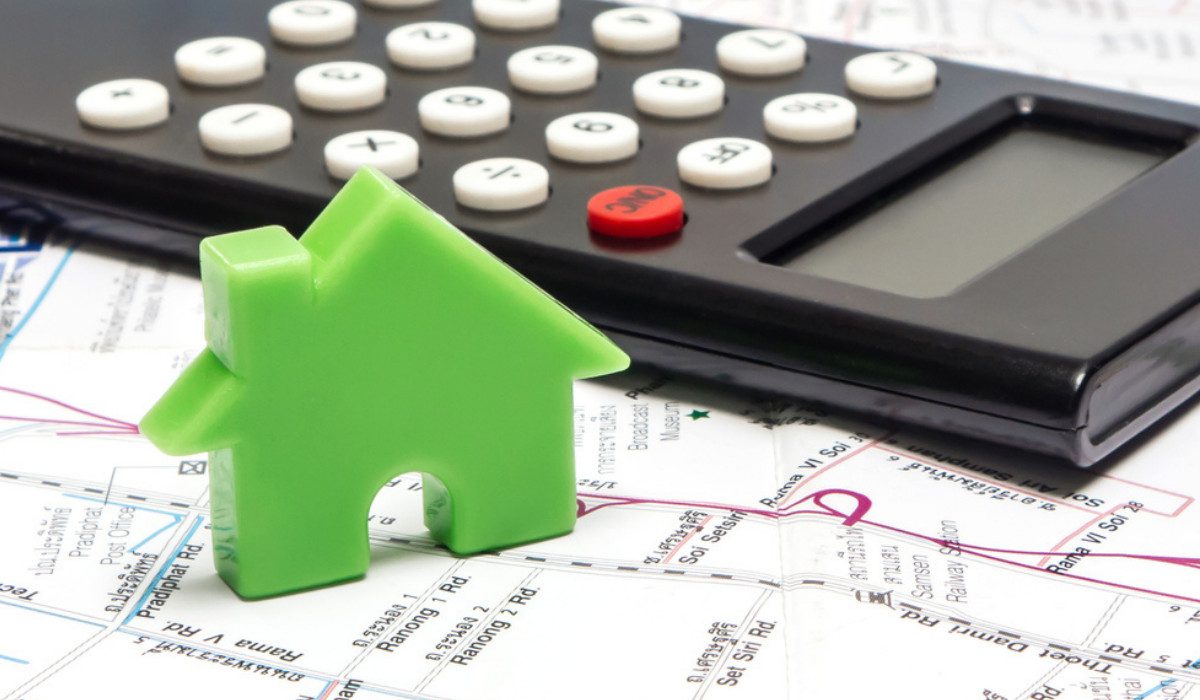
Buying a property involves more than just paying the base price of a home or plot. Homebuyers often come across various additional charges that contribute to the overall cost of ownership. One such important component is External Development Charges (EDC). These charges are collected by government authorities or development agencies to fund infrastructure projects and public facilities outside a residential or commercial project.
Understanding EDC can help buyers make informed real estate decisions and avoid surprises during property transactions.
What Are External Development Charges (EDC)?
External Development Charges refer to the fees levied by state governments or local development authorities on developers for creating and upgrading external infrastructure around a project. Developers typically recover these costs from homebuyers as part of the property's overall pricing structure.
The funds collected through EDC are used to develop essential public infrastructure that benefits the surrounding area and supports urban growth.
Why Are External Development Charges Levied?
When new residential or commercial projects are developed, the surrounding region often requires improvements in public infrastructure to accommodate increased population and traffic.
EDC helps finance:
- Roads and highways
- Water supply systems
- Sewerage networks
- Drainage systems
- Street lighting
- Public parks
- Transportation infrastructure
- Utility services
These facilities improve the quality of life for residents and contribute to the long-term development of the locality.
Difference Between EDC and IDC
Homebuyers frequently confuse External Development Charges (EDC) with Internal Development Charges (IDC). While both are related to infrastructure development, they serve different purposes.
External Development Charges (EDC)
These charges are used for infrastructure development outside the project boundary, including public roads, drainage systems, and utility networks.
Internal Development Charges (IDC)
IDC covers infrastructure created within the project premises, such as:
- Internal roads
- Landscaping
- Community facilities
- Water pipelines
- Internal electrical systems
- Recreational amenities
Understanding this distinction helps buyers better evaluate project costs.
Who Pays EDC?
Although EDC is initially charged to developers by government authorities, the cost is generally passed on to property buyers. Developers often include these charges separately in the property's cost sheet.
Buyers should carefully review the payment schedule and documentation to understand the exact amount being charged.
Factors Affecting EDC
Several factors influence the amount of External Development Charges applicable to a project:
Project Location
Urban areas experiencing rapid development may attract higher EDC due to increased infrastructure requirements.
Land Use Category
Residential, commercial, industrial, and mixed-use projects may have different EDC structures.
Government Policies
State governments periodically revise EDC rates based on infrastructure planning and development needs.
Project Size
Larger developments may require more extensive infrastructure support, impacting overall charges.
Benefits of External Development Charges
Although EDC increases the cost of property acquisition, it contributes significantly to urban development and long-term property value.
Improved Connectivity
Road networks and transportation infrastructure enhance accessibility and reduce travel times.
Better Public Services
Water supply, drainage, and utility infrastructure improve living standards.
Enhanced Property Values
Areas with well-developed infrastructure often experience stronger property appreciation.
Sustainable Urban Growth
Infrastructure investments support organized and planned urban expansion.
Things Homebuyers Should Check
Before purchasing a property, buyers should verify:
- Whether EDC is included in the quoted property price
- The exact amount being charged
- Applicable government approvals
- Payment schedule details
- Developer disclosures regarding infrastructure charges
Transparency regarding EDC can help buyers accurately estimate the total cost of ownership.
Impact on Real Estate Development
External Development Charges play an important role in funding infrastructure necessary for urban growth. By supporting roads, public utilities, and transportation systems, EDC contributes to the development of integrated and sustainable communities.
Well-planned infrastructure often attracts businesses, residents, and investors, creating long-term economic benefits for the region.
Future Outlook
As urbanization continues across India, the importance of infrastructure funding mechanisms such as EDC is expected to grow. Governments and development authorities are likely to continue using these charges to support expanding cities and emerging residential corridors.
Homebuyers should remain informed about EDC policies and factor these charges into their property investment decisions.
Conclusion
External Development Charges (EDC) are an important component of real estate transactions that support the creation of public infrastructure outside a project's boundaries. While these charges add to the overall property cost, they help finance roads, utilities, transportation networks, and other essential facilities that improve connectivity and enhance quality of life. Understanding EDC enables homebuyers to make better financial decisions and assess the true cost of property ownership.
Related articles
- External Development Charges (EDC): Meaning, Purpose and Impact on Property Buyers
- External Development Charges (EDC): Meaning, Importance and Impact on Real Estate
- Transit-Oriented Development in Gurgaon: Meaning, Benefits & Impact on Real Estate
- Understanding Floor Area Ratio (FAR) in Kolkata: Regulations and Impact on Urban Development
- Kundli–Manesar–Palwal (KMP) Expressway: Route, Features and Impact on NCR Development
- Faridabad–Jewar Expressway: Project Overview, Route Details and Development Impact