
Home › Articles › External Development Charges (EDC): Meaning, Importance and Impact on Real Estate
External Development Charges (EDC): Meaning, Importance and Impact on Real Estate
By PropertyGeld Editorial Team
Published on PropertyGeld:
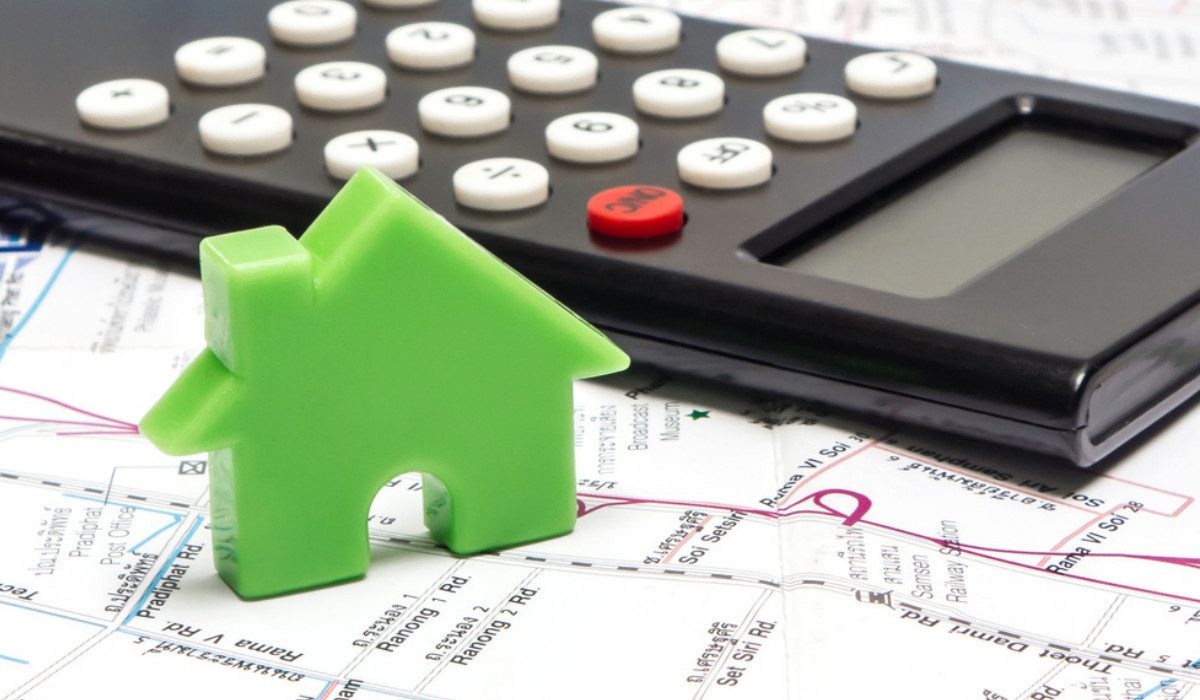
External Development Charges (EDC) are one of the most important components in real estate and urban infrastructure development. These charges are collected by government authorities or development agencies from builders and developers for the creation of public infrastructure outside a residential or commercial project.
EDC plays a major role in supporting urban expansion by funding roads, drainage systems, water supply networks, sewerage infrastructure, transportation facilities, and other public utilities required for a growing city.
What are External Development Charges?
External Development Charges are fees imposed on real estate developers to finance infrastructure development outside the boundaries of a project. These charges are generally used for creating or upgrading public infrastructure that benefits the larger surrounding region.
External infrastructure may include:
- Main roads and highways
- Sewerage systems
- Water supply pipelines
- Stormwater drainage
- Electricity infrastructure
- Public transportation networks
- Street lighting
- Civic amenities
The charges are usually regulated by urban development authorities or state governments.
Why EDC is Important in Urban Development
Rapid urbanization creates significant pressure on public infrastructure. When new residential townships, commercial projects, or industrial developments are launched, surrounding infrastructure also needs expansion to support:
- Increased population
- Traffic movement
- Water consumption
- Waste management
- Public transportation demand
EDC helps governments and development agencies fund these large infrastructure upgrades.
Difference Between EDC and IDC
In real estate, EDC is often discussed along with Internal Development Charges (IDC), but both serve different purposes.
External Development Charges (EDC)
These charges are used for infrastructure outside the project area such as:
- External roads
- Public drainage
- City-level utilities
- Regional infrastructure
Internal Development Charges (IDC)
IDC covers infrastructure developed within the project premises such as:
- Internal roads
- Parks
- Boundary walls
- Internal water pipelines
- Street lights inside the project
Both charges are usually included in property pricing structures.
Who Pays External Development Charges?
Although EDC is collected from developers by authorities, the cost is generally transferred to homebuyers as part of the total property cost.
These charges are commonly included in:
- Apartment purchases
- Plotted developments
- Commercial properties
- Group housing projects
Buyers are often advised to carefully review property cost breakdowns before purchase.
Factors Affecting EDC Rates
EDC rates can vary depending on several factors including:
- Location of the project
- Type of development
- Land usage category
- State government policies
- Infrastructure requirements
- Urban development plans
Projects located in rapidly developing urban corridors may attract higher infrastructure charges because of increased public infrastructure demand.
Role of Development Authorities
Urban development authorities and state agencies manage the collection and utilization of EDC for planned urban growth. These authorities are responsible for:
- Infrastructure planning
- Public utility development
- Road expansion
- Sewerage systems
- Regional civic infrastructure
Proper utilization of development charges is important for sustainable urban planning.
Impact on Property Prices
External Development Charges directly affect overall property pricing. Higher infrastructure costs often increase:
- Apartment prices
- Plot rates
- Commercial property costs
In rapidly urbanizing cities, EDC may become a significant component of total property expenses.
Importance for Homebuyers
Homebuyers should understand EDC because it influences:
- Final property pricing
- Additional payment obligations
- Long-term infrastructure quality
- Urban livability
Buyers are often encouraged to:
- Verify payment structures
- Review builder agreements
- Understand government-approved charges
- Confirm project approvals
Transparency regarding development charges has become increasingly important in the real estate sector.
Infrastructure Development and Urban Expansion
Cities experiencing rapid growth require large-scale infrastructure investments. EDC supports urban expansion by helping finance:
- Metro rail projects
- Expressways
- Water treatment plants
- Drainage systems
- Public transportation corridors
Infrastructure quality often has a major impact on property appreciation and urban living standards.
Common Concerns Related to EDC
Real estate buyers and developers sometimes raise concerns regarding:
- Sudden increase in EDC rates
- Lack of pricing transparency
- Delays in infrastructure development
- Additional charges after booking
- Policy revisions
In some cities, disputes have emerged over revised development charge calculations and delayed civic infrastructure execution.
Real Estate Market Impact
EDC policies can significantly influence:
- Housing affordability
- Real estate investment decisions
- Developer project planning
- Urban growth patterns
Higher development costs may affect both builders and end-users, especially in premium urban regions.
Growing Need for Planned Urban Infrastructure
As Indian cities continue expanding, planned infrastructure development has become essential for:
- Traffic management
- Water supply sustainability
- Public transport systems
- Environmental management
- Urban mobility
Infrastructure-backed urban planning is increasingly important for creating livable and sustainable cities.
Smart Cities and Infrastructure Funding
Modern urban development projects increasingly focus on:
- Smart city infrastructure
- Sustainable urban mobility
- Digital civic systems
- Green infrastructure
- Integrated township planning
Development charges may continue playing an important role in financing these future urban infrastructure systems.
Future Outlook
External Development Charges are expected to remain an important part of India’s urban planning and real estate ecosystem as cities continue expanding rapidly. Growing demand for roads, metro systems, water infrastructure, and public utilities will likely increase the importance of infrastructure funding mechanisms in future urban development.
For both developers and homebuyers, understanding EDC remains essential for evaluating property costs and long-term urban infrastructure quality.
Related articles
- External Development Charges (EDC): Meaning, Importance and Impact on Real Estate
- External Development Charges (EDC): Meaning, Purpose and Impact on Property Buyers
- Transit-Oriented Development in Gurgaon: Meaning, Benefits & Impact on Real Estate
- Change of Land Use (CLU) in Gurgaon: Process, Importance and Real Estate Impact
- Understanding Floor Area Ratio (FAR) in Kolkata: Regulations and Impact on Urban Development
- Kundli–Manesar–Palwal (KMP) Expressway: Route, Features and Impact on NCR Development