
Home › Articles › Delhi Metro Phase V Expansion: Connectivity, Development & Real Estate Impact
Delhi Metro Phase V Expansion: Connectivity, Development & Real Estate Impact
By PropertyGeld Editorial Team
Published on PropertyGeld:
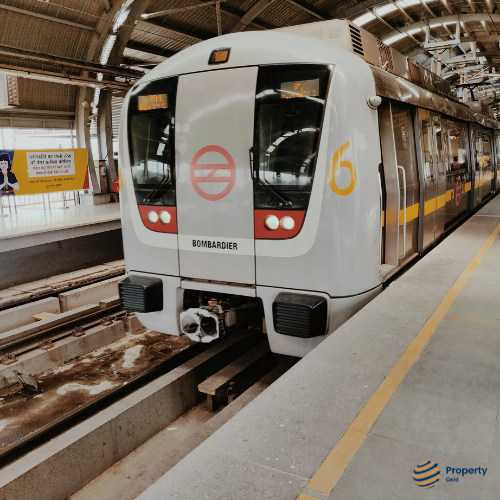
The Delhi Metro Rail Corporation (DMRC) has initiated planning for Phase V of the metro expansion, even as Phase IV is scheduled for completion by 2029. Although still in its early stages, the primary objective of Phase V is to enhance connectivity in distant areas while further densifying the existing metro network to accommodate the growing urban population.
DMRC aims to develop a comprehensive plan to support the future mobility needs of Delhi-NCR. As per projections, 42% of India's population is expected to reside in urban areas by 2030, increasing the demand for an efficient mass transit system. To address this, Phase V will focus on expanding the network in both underdeveloped and densely populated areas, with collaborations between the Centre and State governments to bring this vision to reality.
The Ministry of Housing and Urban Affairs is also considering extending the Inderlok-Indraprastha corridor up to South Block, aiming to reduce congestion in Central Delhi. Additionally, a 7-km underground corridor is being proposed to connect government office buildings, India Gate, Bharat Mandapam, and the upcoming Yuge Yugeen Bharat Museum.
Currently, Delhi Metro operates across 395 km in Delhi-NCR. The ongoing Phase IV expansion includes six new corridors covering 110 km, which began in December 2019 but faced delays due to the Covid-19 pandemic.
Key corridors under Phase IV, including:
- Maujpur to Majlis Park (12.3 km)
- Krishna Park Extension to Ramakrishna Ashram Marg (26.5 km)
- Delhi Aerocity to Tughlakabad (23.6 km)
are being prioritized for completion by December 2026.
With DMRC expanding metro connectivity, property demand is expected to rise significantly in the areas covered under Phase V. The improved accessibility will likely drive higher residential demand, leading to property price appreciation along new metro corridors.
Related articles
- Delhi Metro Phase V Expansion: Connectivity, Development & Real Estate Impact
- Delhi Metro Magenta Line: Route, Stations, Connectivity & Real Estate Impact
- Delhi Metro Phase 4: Upcoming Corridors, Stations, Cost, Status & Future Expansion
- Delhi Metro Magenta Line: Route, Stations, Map & Connectivity Guide
- Aerocity Metro Station in Delhi to Have Phase 4’s Longest Platform
- DMRC to Extend Delhi Metro Red Line from Narela to Kundli: Route, Stations & Impact