
Home › Articles › Tier-2 Cities in India: Emerging Hubs of Real Estate Growth
Tier-2 Cities in India: Emerging Hubs of Real Estate Growth
By PropertyGeld Editorial Team
Published on PropertyGeld:
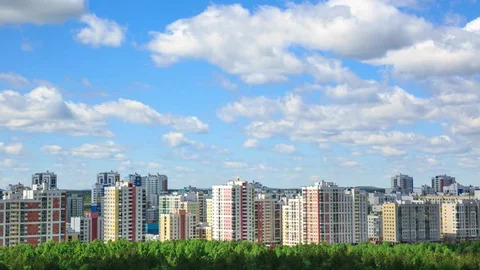
Over the past few years, India has witnessed a clear shift in residential preferences, particularly among salaried professionals and young families. Instead of overcrowded metropolitan regions, homebuyers are increasingly choosing tier-2 cities due to a balanced lifestyle, affordable housing, and improving infrastructure.
Lower living costs, reasonable property prices, and reduced congestion make tier-2 cities far more attractive than tier-1 metros. At the same time, steady development in transport, education, healthcare, and employment has led to a notable appreciation in property values across these cities over the last decade.
Government-led initiatives to strengthen infrastructure in tier-2 and tier-3 regions have further accelerated real-estate demand. As a result, developers and state authorities are now actively focusing on these high-potential yet previously overlooked markets. Cities such as Jaipur, Lucknow, Ahmedabad, Chandigarh, and Goa are now emerging as strong real-estate destinations.
Infrastructure, Industry, and Economic Expansion
Several states are promoting technology, manufacturing, and industrial growth in tier-2 cities. For instance, tourism-driven regions are also investing in IT infrastructure and innovation hubs, while industrial corridors and logistics zones are creating new employment opportunities.
As businesses become more location-independent, cities with good connectivity and quality urban planning are attracting investments. Analysts believe that tier-2 cities located along industrial corridors could become future growth engines for both the economy and the property market.
Understanding City Tiers in India
Indian cities are officially classified into tiers based on population size and administrative importance.
-
Tier-1 cities are major metropolitan regions with dense populations and higher living expenses. These include cities like Delhi, Mumbai, Bengaluru, Chennai, Hyderabad, Kolkata, Pune, and Ahmedabad.
-
Tier-2 cities are fast-developing urban centers offering better affordability with improving infrastructure.
-
Tier-3 and Tier-4 cities include smaller towns where development and investment opportunities are still evolving.
Urban experts suggest that several tier-2 cities now offer lifestyles comparable to metros and may soon move closer to tier-1 standards.
Tier-2 Cities vs Metro Cities: A Comparison
Tier-2 cities are witnessing rapid economic expansion due to:
-
Lower cost of doing business
-
Availability of land
-
Growing start-up and MSME ecosystems
Compared to metro cities, tier-2 regions offer:
-
Affordable housing prices
-
Moderate living expenses
-
Less congestion
-
Better work-life balance
While tier-1 cities continue to dominate in terms of multinational employment and advanced infrastructure, their high property prices and land scarcity have pushed buyers and developers toward tier-2 alternatives.
Key Real Estate Trends in Tier-2 and Tier-3 Cities
1. Better Land Availability
Saturated metro markets have forced developers to explore smaller cities where land is more accessible and economical.
2. Infrastructure Development
Projects such as national highways, expressways, metro rail expansions, and industrial corridors are enhancing connectivity and boosting property demand.
3. Industrial and Logistics Growth
Tier-2 cities are becoming hubs for manufacturing, warehousing, and logistics, attracting skilled professionals and increasing housing demand.
4. Employment Opportunities
IT parks, start-ups, educational institutions, and industrial zones are creating jobs, which directly fuels residential real estate growth.
5. Rising Demand for Premium Housing
Modern gated communities, lifestyle amenities, and second-home investments are gaining popularity beyond metro cities.
Tier-2 Cities Attracting Strong Property Investment
Jaipur
A major economic and tourism hub with growing IT and MSME presence, Jaipur offers a wide range of affordable and mid-segment housing options.
Vadodara
An industrial powerhouse of Gujarat, Vadodara provides quality residential projects at competitive prices.
Dehradun
Known for its livability and scenic surroundings, Dehradun has become a preferred choice for residential and retirement investments.
Indore
With strong corporate presence and consistent urban development, Indore has seen rising residential demand.
Bhilai
A prominent industrial and educational center in Chhattisgarh, Bhilai offers long-term investment potential.
Tier-2 Cities Gaining Traction in Uttar Pradesh
Cities like Noida, Ghaziabad, Lucknow, Kanpur, and Ayodhya are benefiting from improved connectivity, metro rail projects, and airport developments, making them attractive for homebuyers and investors alike.
Growing Interest from NRIs
Non-resident Indians are increasingly investing in tier-2 and tier-3 cities to:
-
Provide homes for parents
-
Secure future retirement options
-
Benefit from upcoming infrastructure projects
The entry of reputed developers into these markets has further boosted buyer confidence.
Property Price Trends in Tier-2 Cities
Compared to metros, tier-2 cities still offer affordable property rates. However, with rapid urban development and increasing demand, many cities have recorded strong year-on-year price appreciation, particularly in locations like Lucknow, Jaipur, Coimbatore, and Kochi.
How Indian Cities Are Classified by Population
| Tier | Population Range |
|---|---|
| Tier 1 | 1 lakh and above |
| Tier 2 | 50,000 – 99,999 |
| Tier 3 | 20,000 – 49,999 |
| Tier 4 | 10,000 – 19,999 |
This classification helps the government design targeted urban development and infrastructure schemes.
Conclusion
Tier-2 cities in India are no longer secondary real-estate markets. With strong infrastructure growth, expanding job opportunities, and affordable housing, these cities are emerging as the next big destinations for both end-users and investors. As urbanization continues, tier-2 cities are set to play a critical role in shaping India’s real-estate future.