
Home › Articles › Tier 2 Cities in India: The New Growth Engines of Real Estate
Tier 2 Cities in India: The New Growth Engines of Real Estate
By PropertyGeld Editorial Team
Published on PropertyGeld:
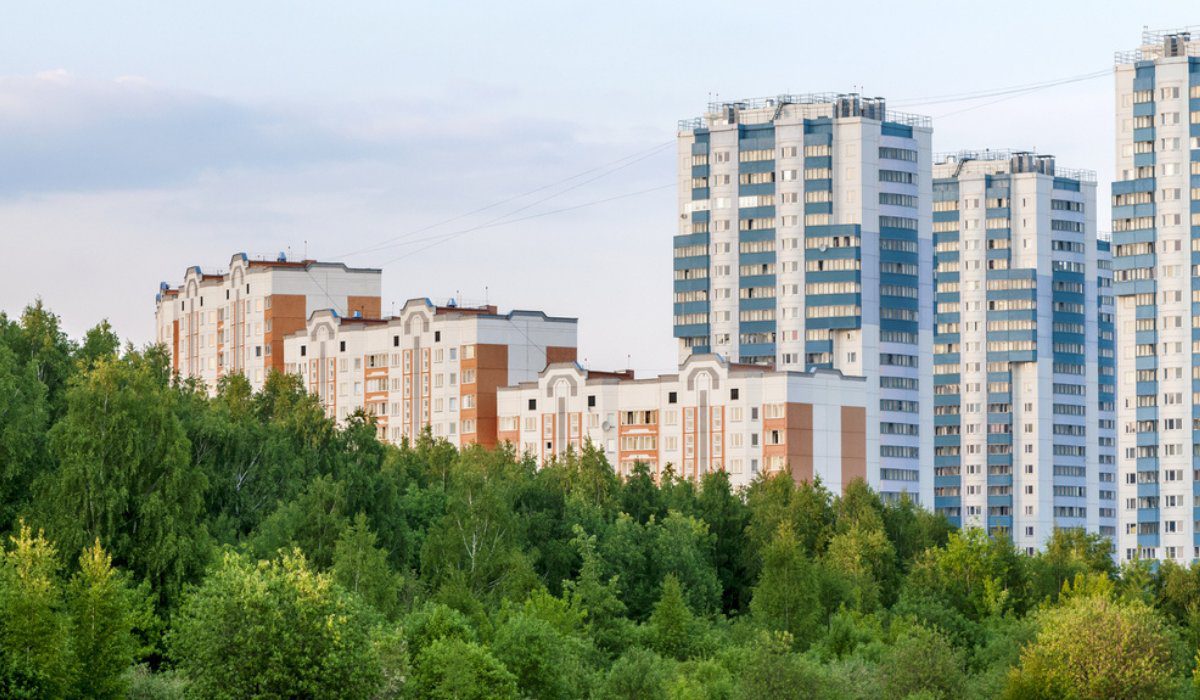
Over the past decade, India’s real estate landscape has witnessed a noticeable shift as homebuyers and investors increasingly look beyond metropolitan regions. Tier 2 cities in India are emerging as strong alternatives, particularly for the working population seeking affordable housing, improved quality of life, and sustainable urban development.
Lower living expenses and comparatively affordable property prices have made these cities highly attractive. At the same time, continuous infrastructure upgrades, rising employment opportunities, and proactive government initiatives have resulted in steady appreciation in property values. As a result, developers and policymakers are now giving focused attention to high-potential yet previously overlooked tier 2 markets.
Cities such as Jaipur, Nagpur, Ahmedabad, Lucknow and Chandigarh have rapidly evolved into preferred real estate destinations due to improved connectivity, urban planning, and economic diversification.
Government Push and Economic Expansion
Government-led infrastructure programs and industrial policies are playing a key role in the transformation of tier 2 and tier 3 cities. Initiatives aimed at enhancing road networks, expressways, metro rail systems, industrial corridors, and smart city development have boosted investor confidence.
For instance, tourism-driven states like Goa are also being positioned as technology and start-up hubs through collaboration with Software Technology Parks of India (STPI). As businesses become increasingly location-independent, such destinations are gaining attention for both commercial and residential investments. Manufacturing incentives under national programs are further accelerating growth in several tier 2 cities.
Experts believe these cities—especially those located along industrial and logistics corridors—are poised to become future economic and real estate growth hotspots.
Understanding City Tiers in India
Indian cities are classified into different tiers by the Government of India, primarily based on population size and level of development.
-
Tier 1 cities (X category): Highly developed metropolitan regions with dense populations
-
Tier 2 cities (Y category): Rapidly growing cities with improving infrastructure
-
Tier 3 and Tier 4 cities (Z category): Developing towns and smaller urban centers
India currently has eight major Tier 1 metropolitan cities, while over 100 cities fall under the Tier 2 category. Many Tier 2 cities today offer infrastructure, lifestyle, and employment opportunities comparable to metros, narrowing the gap between the two.
Tier 2 Cities vs Metro Cities
Tier 2 cities provide a balanced mix of affordability and urban convenience. Compared to metro cities, they offer:
-
Lower cost of living
-
Affordable residential and commercial property prices
-
Reduced congestion and improved livability
At the same time, these cities outperform smaller towns by providing better healthcare, education, employment prospects, and lifestyle amenities. While Tier 1 cities continue to attract multinational corporations and high-paying jobs, limited land availability and rising prices have shifted development toward smaller cities.
Key Real Estate Trends in Tier 2 & Tier 3 Cities
1. Better Land Availability
Unlike saturated metro markets, tier 2 cities offer ample land for planned developments, enabling affordable housing and integrated townships.
2. Infrastructure Development
Major expressways, metro projects, airports, and smart city initiatives are significantly improving connectivity and accessibility.
3. Growth of Industrial and Logistics Hubs
Warehousing, manufacturing, and logistics parks are generating employment and increasing housing demand.
4. Rising Employment Opportunities
IT parks, start-ups, educational institutions, and healthcare hubs are drawing skilled professionals to tier 2 cities.
5. Demand for Premium Housing
Modern gated communities, lifestyle amenities, and second-home investments are gaining popularity among affluent buyers.
Cities Attracting Strong Property Investments
Several tier 2 cities are becoming investor favorites due to consistent demand and infrastructure-led growth, including Jaipur, Indore, Dehradun, Vadodara, Bhilai, Noida, Ghaziabad, Kochi, Nagpur, Coimbatore, and Nashik. These cities offer a wide range of residential options—from affordable apartments to premium homes—at competitive price points.
Role of NRIs in Tier 2 City Growth
Non-resident Indians (NRIs) are increasingly investing in properties in their hometowns, many of which are tier 2 or tier 3 cities. These investments serve dual purposes—providing comfortable living options for parents and securing future retirement homes.
The entry of reputed developers into smaller cities, along with improved infrastructure and industrial growth, has further strengthened confidence among NRI investors.
Property Price Trends in Tier 2 Cities
Although property prices in tier 2 cities remain lower than those in major metros, steady appreciation has been observed due to rising demand. Cities like Lucknow, Jaipur, Coimbatore, and Kochi have recorded notable year-on-year growth, supported by infrastructure expansion and urbanization.
Rental demand is also increasing, driven by migration for jobs, education, and business opportunities.
Conclusion
Tier 2 cities in India are no longer secondary real estate markets. With strong infrastructure development, economic growth, and increasing lifestyle standards, these cities are becoming long-term investment destinations. As metro markets reach saturation, tier 2 cities are set to play a crucial role in shaping the future of India’s real estate sector.