
Home › Articles › Smart Cities in India: Transforming Urban Living
Smart Cities in India: Transforming Urban Living
By PropertyGeld Editorial Team
Published on PropertyGeld:
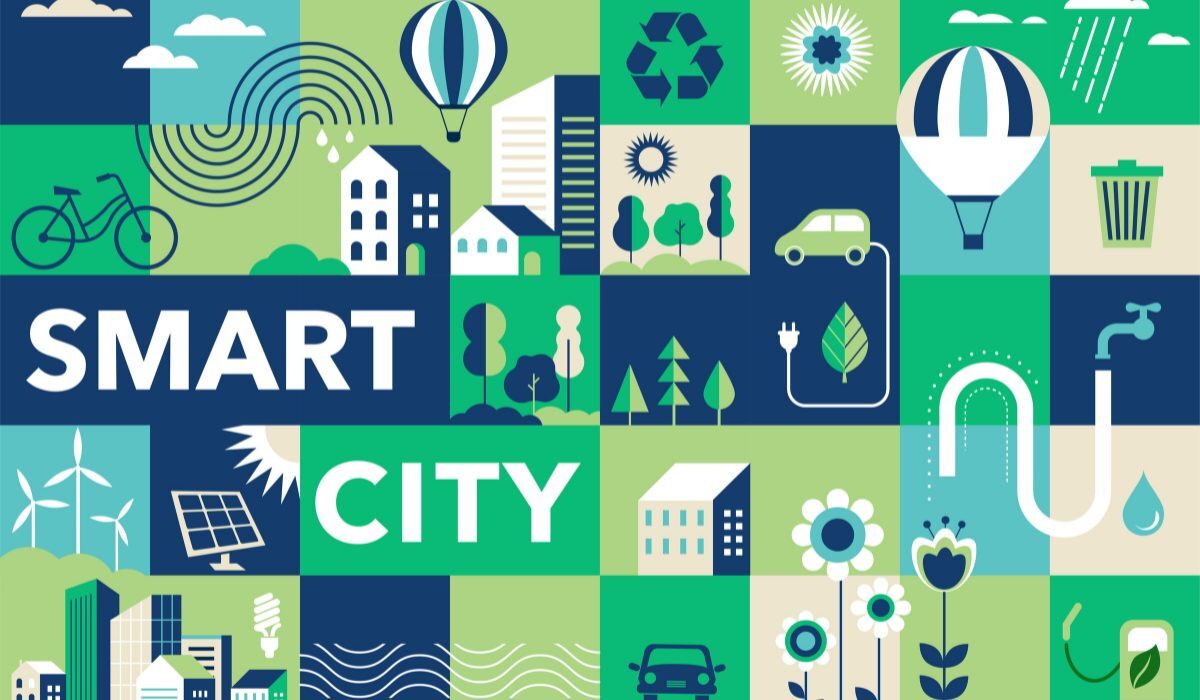
India is rapidly embracing urban modernization through the Smart Cities Mission, an initiative aimed at improving infrastructure, technology integration, and quality of life in urban areas. These cities are designed to offer efficient services, better connectivity, and sustainable living solutions.
What is a Smart City?
A smart city uses technology, data, and innovative planning to manage resources efficiently and improve urban living. It focuses on:
- Smart infrastructure and digital systems
- Efficient transportation networks
- Sustainable energy solutions
- Improved governance and public services
The goal is to create cities that are livable, sustainable, and citizen-friendly.
1. Smart Infrastructure
Modern buildings, digital utilities, and efficient waste management systems help improve urban living standards.
2. Advanced Transportation
Smart cities focus on reducing traffic congestion through intelligent traffic systems, metro connectivity, and public transport improvements.
3. Sustainable Environment
Use of renewable energy, green spaces, and pollution control measures ensures environmental sustainability.
4. Digital Governance
Online services, e-governance platforms, and real-time monitoring improve transparency and citizen convenience.
Major Smart Cities in India
Several cities across India have been selected under the Smart Cities Mission, including:
- Delhi
- Mumbai
- Bengaluru
- Hyderabad
- Ahmedabad
- Pune
- Chennai
- Jaipur
- Lucknow
- Bhopal
These cities are undergoing major upgrades in infrastructure and technology to enhance urban living.
Objectives of the Smart Cities Mission
The initiative focuses on:
- Improving quality of life for citizens
- Promoting sustainable and eco-friendly development
- Enhancing economic growth and job creation
- Strengthening urban infrastructure and services
Benefits of Smart Cities
1. Better Quality of Life
Improved infrastructure, healthcare, and public services make cities more comfortable for residents.
2. Efficient Resource Management
Smart systems help reduce waste, conserve energy, and optimize water usage.
3. Economic Growth
Modern infrastructure attracts businesses and investments, creating job opportunities.
4. Enhanced Safety and Security
Use of surveillance systems and smart policing improves public safety.
Challenges in Implementation
Despite progress, smart city development faces several challenges:
- High investment requirements
- Implementation delays
- Coordination between multiple agencies
- Need for skilled workforce and technology
Addressing these issues is essential for successful execution.
Future Outlook
India’s smart city initiative is expected to play a major role in shaping the future of urban development. With increasing adoption of digital technologies and sustainable practices, cities are likely to become more efficient, connected, and environmentally friendly.
Conclusion
Smart cities represent a new era of urban living in India. By combining technology, infrastructure, and sustainability, they aim to create better living conditions for citizens while supporting economic growth. As development continues, these cities will become key drivers of India’s modernization.
Related articles
- Smart Cities in India: Transforming Urban Living
- UP Government Allocates ₹25,310 Crore for Urban Development & Smart Cities
- Emaar Urban Oasis Sector 62 Gurgaon: Luxury Living on Golf Course Extension Road
- Trump Towers in India: Luxury Residential Projects Redefining Urban Living
- Affordable Rental Housing Complexes (ARHCs): Enhancing Urban Living for Migrant Workers
- Emaar Urban Oasis: Premium Living in Sector 62, Gurgaon