
Home › Articles › Affordable Rental Housing Complexes (ARHCs): Enhancing Urban Living for Migrant Workers
Affordable Rental Housing Complexes (ARHCs): Enhancing Urban Living for Migrant Workers
By PropertyGeld Editorial Team
Published on PropertyGeld:
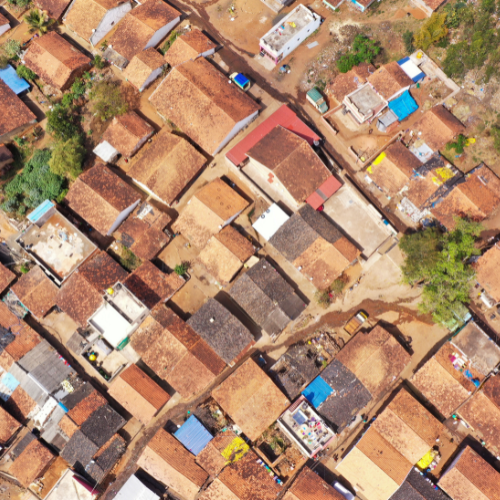
The Affordable Rental Housing Complexes (ARHCs) initiative, under the Pradhan Mantri Awas Yojana-Urban (PMAY-U), aims to provide affordable rental housing to urban migrants and the economically weaker sections. This scheme addresses the housing challenges faced by workers in industrial and informal sectors, ensuring they have access to quality accommodation near their workplaces.
Background: Housing Challenges for Migrant Workers
Urban migrants often reside in overcrowded slums or peripheral areas with inadequate living conditions, lacking essential amenities like clean water and sanitation. The COVID-19 pandemic exacerbated these issues, prompting many workers to return to their native places due to unaffordable city living costs. This highlighted the urgent need for affordable rental housing solutions to support this vital workforce.
Objectives of ARHCs
The primary goals of the ARHC scheme include:
-
Providing Affordable Housing: Offer budget-friendly rental units to urban migrants and the poor.
-
Ensuring Proximity to Workplaces: Reduce commute times by situating housing close to employment hubs.
-
Improving Living Standards: Enhance the quality of life by providing safe and healthy living environments.
Implementation Strategies
The ARHC scheme employs two main models:
-
Utilization of Existing Government Housing: Vacant government-funded housing complexes are converted into ARHCs through partnerships with public or private entities.
-
Private Sector Participation: Private and public entities are encouraged to develop, operate, and maintain ARHCs on their own available land.
Types of Dwelling Units
ARHCs offer a variety of housing options, including:
-
Single Bedroom Units: Designed for individuals or small families.
-
Dormitory Accommodation: Suitable for single workers, providing shared facilities.
Key Features of the Scheme
-
Concessional Benefits: Entities participating in the scheme receive benefits such as concessional project finance, tax reliefs, and technical support.
-
Sustainable Design: Emphasis on eco-friendly construction and efficient use of resources.
-
Regulated Rent: Affordable rent rates are fixed to ensure accessibility for the target groups.
Benefits of ARHCs
-
Economic Stability: Affordable housing reduces financial burdens on workers, allowing for better savings and investment.
-
Social Inclusion: Improved living conditions foster a sense of community and belonging among urban migrants.
-
Urban Development: The scheme contributes to organized urban growth and the reduction of informal settlements.
Challenges in Implementation
Despite its benefits, the ARHC scheme faces challenges such as:
-
Financing Constraints: Securing adequate funding for large-scale implementation.
-
Land Availability: Identifying suitable land parcels in proximity to employment centers.
-
Regulatory Hurdles: Navigating complex approval processes and ensuring compliance with local regulations.
Conclusion
The Affordable Rental Housing Complexes scheme is a pivotal step towards addressing the housing needs of urban migrants and the economically disadvantaged. By providing affordable, safe, and well-located rental housing, the scheme not only improves the quality of life for workers but also promotes sustainable urban development.
Related articles
- Affordable Rental Housing Complexes (ARHCs): Enhancing Urban Living for Migrant Workers
- PMAY Affordable Rental Housing Scheme (ARHC): A Housing Solution for Urban Migrants and Low-Income Workers
- PMAY Affordable Rental Housing Scheme: Affordable Urban Rental Housing in India
- Co-Living Investment in India: Rental Income & Key Factors
- Co-Living in India: Growth, Benefits & Future of Rental Housing
- Top Localities in Gurgaon Preferred by Tenants for Rental Living