
Home › Articles › List of Tier 1, Tier 2, Tier 3 and Tier 4 Cities in India
List of Tier 1, Tier 2, Tier 3 and Tier 4 Cities in India
By PropertyGeld Editorial Team
Published on PropertyGeld:
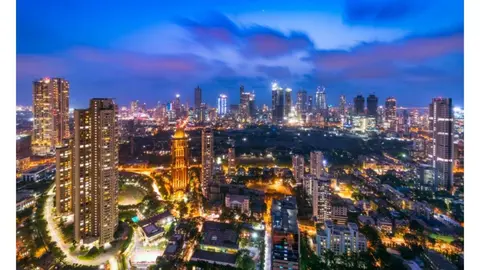
India’s urban landscape is highly diverse, ranging from global metropolitan hubs to small but rapidly developing towns. To better understand this diversity, Indian cities are commonly grouped into Tier 1, Tier 2, Tier 3 and Tier 4 categories. This classification helps assess a city’s population size, infrastructure, economic strength, and development potential.
Each tier reflects a different stage of urbanisation and plays a unique role in India’s economic and regional growth. From established metros to emerging towns, these city tiers collectively shape the country’s development story.
What Does Tier Classification Mean in India?
City tier classification in India is a broad framework used to group urban areas based on:
-
Population size
-
Level of urbanisation
-
Economic activity
-
Infrastructure availability
-
Administrative importance
Higher-tier cities generally have denser populations, stronger economies, and advanced infrastructure, while lower-tier cities are in earlier phases of development with growing opportunities.
Official City Classification Frameworks in India
As per the Seventh Pay Commission
Cities are grouped for administrative and salary-related purposes into:
-
Category X – Tier 1 cities
-
Category Y – Tier 2 cities
-
Category Z – Tier 3 and Tier 4 cities
RBI Classification Based on Population
| Tier | Population Range |
|---|---|
| Tier 1 | 1 lakh and above |
| Tier 2 | 50,000 – 99,999 |
| Tier 3 | 20,000 – 49,999 |
| Tier 4 | 10,000 – 19,999 |
| Tier 5 | 5,000 – 9,999 |
| Tier 6 | Below 5,000 |
Why Are Cities Classified into Tiers?
The tier system serves several important purposes:
-
Urban planning: Helps governments plan infrastructure and public services
-
Administration: Supports effective governance and fund allocation
-
Economic analysis: Assists businesses and investors in market assessment
-
Quality of life measurement: Highlights social and civic development levels
-
Investment planning: Helps identify high-growth and affordable markets
Key Factors Used for City Tier Classification
Cities are categorised into tiers after evaluating multiple parameters:
-
Population size
-
Urban expansion and development
-
Infrastructure (airports, metro, hospitals, schools, highways)
-
Economic output and employment opportunities
-
Average income levels
-
Government policies and development initiatives
Tier 1 Cities in India
Characteristics
Tier 1 cities are India’s most developed urban centres. They have:
-
High population density
-
Strong job markets
-
Advanced infrastructure
-
Expensive real estate
-
High cost of living
Major Tier 1 Cities
-
Delhi
-
Mumbai
-
Bangalore
-
Chennai
-
Hyderabad
-
Kolkata
-
Pune
-
Ahmedabad
Real Estate Outlook
Tier 1 cities experience the highest real estate demand due to employment concentration and lifestyle advantages. Property prices are high, but rental demand and long-term appreciation remain strong.
Tier 2 Cities in India
Characteristics
Tier 2 cities are fast-growing urban centres offering:
-
Improving infrastructure
-
Expanding job markets
-
Lower living costs compared to metros
-
Rising real estate demand
Prominent Tier 2 Cities
-
Jaipur
-
Lucknow
-
Chandigarh
-
Faridabad
-
Ghaziabad
-
Bhopal
-
Bhubaneswar
-
Kanpur
Investment Benefits
Tier 2 cities attract first-time buyers and long-term investors due to affordability, infrastructure growth, and rising employment opportunities.
Tier 3 Cities in India
Characteristics
Tier 3 cities are smaller but steadily developing urban centres. They often function as regional trade or education hubs.
Examples of Tier 3 Cities
-
Meerut
-
Rohtak
-
Madurai
-
Udaipur
-
Jhansi
Real Estate Perspective
Property prices are comparatively lower. Infrastructure upgrades and gradual urbanisation offer slow but steady appreciation potential.
Tier 4 Cities in India
Characteristics
Tier 4 cities include small towns and emerging urban centres with limited infrastructure but growing housing needs.
Notable Tier 4 Cities
-
Gangtok
-
Haridwar
-
Rewari
-
Deoghar
-
Sikar
Investment Insight
While development is slower, Tier 4 cities benefit from affordable housing demand, government schemes, and long-term growth potential for local buyers.
Metro Cities and HRA Considerations
For income tax purposes, only four cities are officially considered metro cities:
-
Delhi
-
Mumbai
-
Kolkata
-
Chennai
Residents in these cities can claim 50% HRA exemption, while non-metro cities allow 40%.
Top Indian Cities by GDP
| City | GDP (USD) |
|---|---|
| Mumbai | 310 Billion |
| Delhi | 293.6 Billion |
| Kolkata | 150 Billion |
| Bangalore | 110 Billion |
| Chennai | 78.6 Billion |
Top Indian Cities by Population
| City | Population |
|---|---|
| Delhi | 33.8 million |
| Mumbai | 21.6 million |
| Kolkata | 15.5 million |
| Bangalore | 14 million |
| Chennai | 12 million |
Conclusion
Understanding India’s tier-based city classification is essential for property buyers, investors, and businesses. While Tier 1 cities offer stability and high returns, Tier 2 and Tier 3 cities are increasingly becoming attractive due to affordability and growth potential. The tier system provides a clear roadmap for identifying opportunities across India’s evolving urban landscape.