
Home › Articles › Gurgaon Master Plan 2031: A Comprehensive Guide to the City’s Future Growth
Gurgaon Master Plan 2031: A Comprehensive Guide to the City’s Future Growth
By PropertyGeld Editorial Team
Published on PropertyGeld:
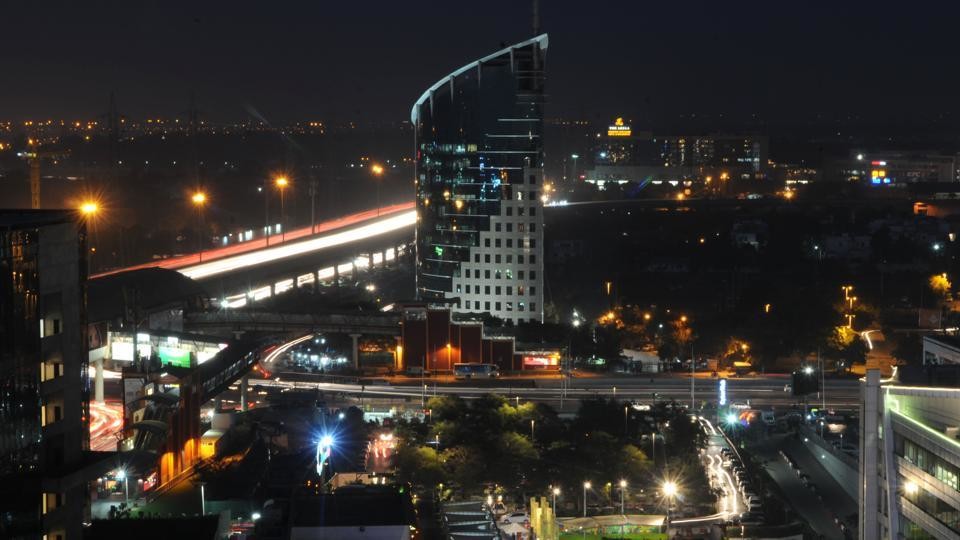
Over the past few decades, Gurgaon has evolved from a satellite town into one of India’s most prominent urban and corporate hubs. From glass-fronted office towers to premium residential corridors and seamless metro access, the city has consistently attracted investors, professionals, and developers alike.
With rapid urbanisation already shaping the skyline, the next phase of growth is guided by the Gurgaon Master Plan 2031—a long-term development framework outlining how the city will expand, modernise, and sustain itself in the coming years.
Gurgaon Master Plan 2031: Overview & Vision
Notified in November 2012, the Gurgaon Master Plan 2031 has been prepared by the Town and Country Planning Department Haryana. The plan aims to manage Gurgaon’s future population, infrastructure needs, and land utilisation in a structured and sustainable manner.
A central focus of this blueprint is the Gurgaon–Manesar Urban Complex, which is expected to emerge as a major residential, commercial, and industrial corridor.
Gurgaon Master Plan 2031: Key Highlights
Here are the major takeaways from the master plan:
-
The Gurgaon–Manesar Urban Complex forms a significant part of the development strategy
-
Excellent connectivity through NH-8, industrial clusters, and social infrastructure
-
Close proximity to Indira Gandhi International Airport, located around 4 km from key urban zones
-
Infrastructure planning to support a projected population of 42.5 lakh by 2031
-
Dedicated zones for residential, commercial, and industrial development
-
Expansion of metro rail networks to strengthen public transport
-
Upgrades planned for water supply, sewerage systems, power distribution, and civic services
Gurgaon Master Plan 2031: Proposed Land Use Strategy
The master plan classifies land into three primary usage categories to ensure balanced growth across the city.
Residential Development
-
Approximately 16,021 hectares earmarked for housing
-
Designed to accommodate nearly 20.5 lakh residents
-
Focus on neighbourhood planning, community facilities, and social infrastructure
Commercial Development
-
Around 1,616 hectares allocated for commercial use
-
200-metre-wide commercial corridors planned along select highways
-
Intended to promote business activity, retail growth, and office development
Industrial Development
-
Nearly 4,613 hectares reserved for industrial purposes
-
Target sectors include automobile manufacturing, IT, software, and clean hi-tech industries
-
Over 1,200 hectares of industrial land already developed near Manesar by Haryana Urban Development Authority
Gurgaon Master Plan 2031: Metro Connectivity Expansion
Improving metro access is one of the most critical components of Gurgaon’s future planning.
Currently, metro services operate between Cyber City and Sector 55–56 via Delhi Metro. Under the master plan:
-
A new corridor with 27 metro stations is proposed between HUDA City Centre and Cyber City
-
The route will significantly improve connectivity across Old Gurgaon
-
Additional proposed metro links include:
-
Gurgaon–Faridabad corridor
-
Gurgaon–Manesar–MBIR route
-
HUDA City Centre–Dwarka extension
-
-
The Gurgaon–Faridabad Light Metro project is also under development
These transport upgrades are expected to reduce travel time, decongest roads, and positively influence real estate demand.
Environmental Safeguards in Gurgaon Master Plan 2031
Sustainability plays a vital role in the city’s long-term vision. The Government of India has issued specific guidelines to protect sensitive ecological zones:
-
Conservation of the Aravalli Range
-
Protection of eco-sensitive areas around Sultanpur National Park
-
Restrictions on groundwater extraction within 5 km of the Delhi–Haryana border and the Aravalli belt
These measures aim to balance urban growth with environmental preservation.
What the Gurgaon Master Plan 2031 Means for the City
The Gurgaon Master Plan 2031 envisions a well-integrated urban ecosystem where residential comfort, economic activity, efficient transport, and environmental responsibility coexist. By strengthening the Gurgaon–Manesar corridor and expanding public infrastructure, the city is set to continue its journey as a major real estate and business destination in Delhi NCR.
Related articles
- Gurgaon Master Plan 2031: A Comprehensive Guide to the City’s Future Growth
- Dharuhera Master Plan: Future Development and Investment Potential
- Sohna Master Plan 2031: Land Use, Infrastructure & Future Development Overview
- Noida Master Plan 2031: Key Features, Land Use & Future Development Explained
- Greater Noida Master Plan: Key Features, Land Use & Future Development Explained
- Faridabad Master Plan 2031: Shaping a Progressive Future for Delhi NCR Residents