
Home › Articles › Eastern Peripheral Expressway: Transforming Connectivity Across Delhi-NCR
Eastern Peripheral Expressway: Transforming Connectivity Across Delhi-NCR
By PropertyGeld Editorial Team
Published on PropertyGeld:
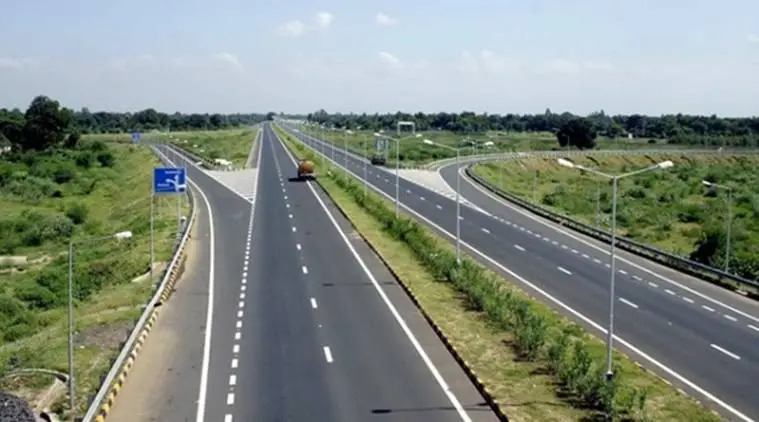
To improve travel efficiency for commuters approaching Delhi-NCR from the eastern corridor, the Eastern Peripheral Expressway (EPE) was approved in 2015. Built in a record time of 500 days, this high-speed corridor—also known as the Kundli–Ghaziabad–Palwal (KGP) Expressway—was developed at an estimated cost of ₹11,000 crore. The expressway was officially inaugurated in May 2018 by Prime Minister Narendra Modi.
When combined with the Western Peripheral Expressway (WPE), the 135-km-long EPE completes the largest ring road encircling Delhi. This infrastructure milestone has significantly enhanced connectivity between Noida, Faridabad, Ghaziabad, and the national capital, while also easing traffic pressure within Delhi.
This guide provides a detailed overview of the Eastern Peripheral Expressway, including its route, toll structure, facilities, and its impact on regional real estate development.
Starting Point and Route of the Eastern Peripheral Expressway
The Eastern Peripheral Expressway begins at Kundli in Sonipat, Haryana, where it branches off from the Western Peripheral Expressway. From there, it passes through several key districts including Baghpat, Aligarh, Ghaziabad, and Noida in Uttar Pradesh, before entering Faridabad and terminating at Palwal in Haryana.
The expressway offers seamless, signal-free travel between Palwal, Gautam Budh Nagar, Faridabad, and Ghaziabad, allowing smoother long-distance movement. Approximately two lakh vehicles that previously passed through Delhi are now diverted to this bypass. Studies suggest that this has helped reduce Delhi’s incoming traffic by nearly 30%, contributing to lower congestion and improved air quality.
FNG Expressway: A Key Component of EPE
The Faridabad–Noida–Ghaziabad (FNG) Expressway, spanning 56 km, is an important segment integrated with the Eastern Peripheral Expressway. Currently under development, this stretch is expected to be completed by 2027. The design of this corridor has been prepared by IIT Roorkee, ensuring modern engineering standards and improved traffic flow.
Eastern Peripheral Expressway: Key Facts at a Glance
-
Official Name: Eastern Peripheral Expressway / Kundli–Ghaziabad–Palwal Expressway
-
National Expressway Number: NE-2
-
Operational Since: May 2018
-
Maintained By: National Highways Authority of India (NHAI)
-
Project Cost: ₹11,000 crore
-
Starting Point: Kundli, Sonipat
-
Ending Point: Palwal, Haryana
-
Total Length: 135 km
-
Lanes: 6
Toll Plazas and Charges on Eastern Peripheral Expressway
The EPE has two main toll plazas along with 42 interchange toll points. Toll collection is managed through a closed tolling system, where users are charged based on the actual distance travelled rather than the full length of the expressway.
Toll rates have recently been revised with an increase of 4–5%, applicable across national highways and expressways. The corridor supports FASTag, enabling uninterrupted travel and reduced congestion at toll booths.
-
Cars and Light Motor Vehicles: ₹40 to ₹160
-
Heavy Vehicles: ₹40 to ₹250
Route Map and Connectivity
Recognised as National Expressway-2, the KGP Expressway starts from Sonipat, passes through Baghpat, Ghaziabad, Greater Noida (UP) and Faridabad (Haryana), and ends at Palwal. It intersects with the Western Peripheral Expressway at both Sonipat and Palwal, creating a complete orbital route around Delhi.
Entry and Exit Points
The Eastern Peripheral Expressway features seven major exit points, named after nearby villages such as Baghpat, Duhai, Dasna, Dadri, and Atali-Chasna. These exits provide direct access to important cities including Meerut, Ghaziabad, Moradabad, Noida, Greater Noida, and Faridabad.
One of the expressway’s strongest advantages is its role as a peripheral evacuation route for multiple industries such as automobile manufacturing, agriculture, cement, ceramics, IT/ITES, and electronics. The corridor supports mobility for over 40 million residents across NCR and surrounding satellite towns. Additionally, it is expected to serve as a major access route to the upcoming Noida International Airport (Jewar), with new interchanges under development.
Connectivity with National Highways
As a bypass around Delhi, the Eastern Peripheral Expressway ensures that non-Delhi-bound traffic avoids the city entirely, helping reduce urban congestion and pollution. The expressway connects:
-
NH-1 at Kundli
-
NH-2 at Palwal
-
NH-58 at Muradnagar
-
NH-24 at Dasna
-
NH-91 at Bheelakbarpur
It also crosses the Yamuna River, strengthening inter-state connectivity.
Facilities and Infrastructure Along EPE
The Eastern Peripheral Expressway is equipped with advanced infrastructure and safety features, including:
-
Seven exit points for smooth traffic dispersal
-
Over 406 structures, including:
-
4 major bridges
-
43 minor bridges
-
15 flyovers
-
8 interchanges
-
221 underpasses
-
8 railway over-bridges (ROBs)
-
-
Automatic challan system with speed-monitoring cameras
-
Video Incident Detection System (VIDS)
-
Highway Traffic Management System (HTMS)
-
Parking zones for overloaded vehicles to offload excess cargo
-
2.5-metre-wide cycle tracks on both sides
-
Solar-powered lighting, making it India’s first smart and green highway
-
Rainwater harvesting units installed every 500 metres
-
A railway over-bridge completed in just 100 days
-
Planned installation of 40+ fountains
-
Amenities such as fuel stations, restaurants, restrooms, motels, and shops
-
Replicas of 36 iconic Indian monuments, including India Gate, Qutub Minar, Charminar, and Hawa Mahal
Speed Regulations on the Eastern Peripheral Expressway
The expressway permits a maximum speed of 120 km/h, higher than many other Indian highways. Discussions are ongoing to further optimise average travel speeds on multi-lane corridors.
However, while the speed limit is high, reports indicate that heavy vehicles often occupy multiple lanes and travel at slower speeds (around 70 km/h), which can affect travel time during peak hours.
Challenges Faced by Commuters
Despite its modern design, commuters have reported some concerns:
-
Uneven road surfaces and patched sections
-
Instances of wrong-side driving to avoid long detours
-
Poor maintenance in certain stretches, including faulty lighting and surface cracks
These issues have been acknowledged at the national level, with strict warnings issued against contractors responsible for substandard maintenance.
Safety and Security Measures
To ensure commuter safety, the expressway is monitored through:
-
CCTV cameras installed every 2 km
-
Patrolling vehicles stationed every 25 km
-
Incident tracking and emergency response systems
Upcoming Link with Yamuna Expressway
The Eastern Peripheral Expressway is already connected to the Delhi–Meerut Expressway and is set to be linked with the Yamuna Expressway via a new interchange near Jaganpur–Afzalpur village.
After delays caused by land acquisition issues, the project received approval in April 2025. The interchange will be developed at a cost of approximately ₹270 crore, featuring four loops, four ramps, and an 11-km connector stretch. Construction is expected to be completed within a year.
Once operational, this link will eliminate long detours through congested areas like Kasna and Pari Chowk, significantly reducing travel time between Agra, Mathura, Ghaziabad, Hapur, and Meerut. It will also improve access to the upcoming Noida International Airport, expected to become operational soon.
Haryana Orbital Rail Corridor Along EPE
The Haryana Orbital Rail Corridor (HORC), also known as the Eastern Orbital Rail Corridor, is proposed along the Eastern Peripheral Expressway. Spanning approximately 211 km, this rail corridor will enable direct movement between Uttar Pradesh and Haryana without entering Delhi. It will run parallel to the Western Peripheral Expressway from Kundli to Palwal via Manesar and Faridabad.
Real Estate Impact of the Eastern Peripheral Expressway
Together with the Western Peripheral Expressway, the EPE forms the largest ring road around Delhi, unlocking vast development potential along its route. The improved connectivity has made larger residential and commercial developments viable at relatively affordable rates in peripheral regions.
Tier-III cities such as Kundli, Baghpat, and Palwal have witnessed rising housing demand and steady appreciation in property values. The expressway has also strengthened the link between Faridabad’s industrial zones and Ghaziabad’s residential areas, improving regional economic integration.
Indicative Property Trends Along EPE
-
Dasna:
-
Avg. price: ₹4,797/sq ft
-
Rent range: ₹3,181–₹12,037
-
Avg. rent: ₹10,000
-
-
Baghpat:
-
Avg. price: ₹2,465/sq ft
-
Rent range: ₹2,500–₹2,531
-
Avg. rent: ₹15,000
-
-
Kundli:
-
Avg. price: ₹3,330/sq ft
-
Rent range: ₹1,416–₹4,964
-
Avg. rent: ₹17,321
-
-
Ghaziabad:
-
Avg. price: ₹3,627/sq ft
-
Rent range: ₹1,250–₹11,111
-
Avg. rent: ₹17,000
-
Related articles
- Eastern Peripheral Expressway: Transforming Connectivity Across Delhi-NCR
- Dwarka Expressway: Transforming Delhi-Gurgaon Connectivity and Real Estate Growth
- Delhi-Mumbai Expressway: Transforming Connectivity & Real Estate Growth
- Everything You Need to Know About the Eastern Peripheral Expressway (KGP Expressway)
- Urban Extension Road II (UER-II): Transforming Connectivity and Real Estate in Delhi NCR
- Delhi HC Seeks Basic Amenities on Eastern & Western Expressways