
Home › Articles › Delhi HC Seeks Basic Amenities on Eastern & Western Expressways
Delhi HC Seeks Basic Amenities on Eastern & Western Expressways
By Aman
Delhi HC Seeks Response on Basic Amenities Along Eastern and Western Peripheral Expressways
The Delhi High Court sought responses from the National Highways Authority of India (NHAI) and the Haryana State Industrial and Infrastructure Development Corporation (HSIIDC) over a petition seeking basic facilities for commuters using the Eastern and Western Peripheral Expressways.
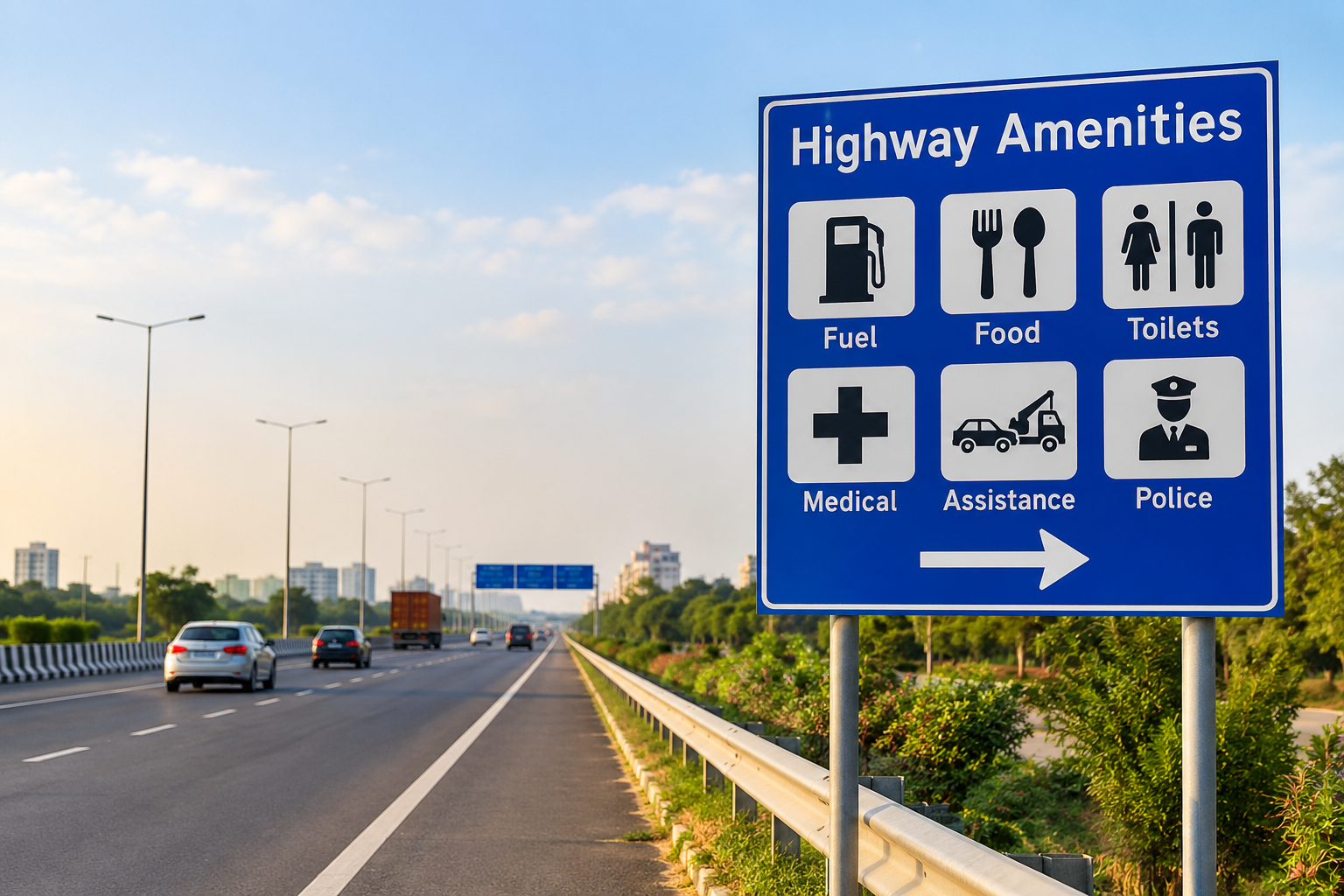
The petition highlighted the need for essential roadside services such as toilets, petrol pumps, medical assistance, ambulances, emergency services and police support along these important road corridors.
Petition Seeks Better Facilities for Commuters
The petition was filed before the Delhi High Court by advocate and social activist Amit Sahni. It raised concerns about the lack of essential facilities, particularly along the Western Peripheral Expressway, also known as the Kundli-Manesar-Palwal (KMP) Expressway.
According to the petition, thousands of vehicles were using the expressway every day while paying toll charges, but several basic facilities were not readily available to commuters.
Facilities Requested Along the Expressways
The petition requested authorities to ensure the availability of several important facilities, including:
Petrol pumps
Toilet complexes
Ambulance services
Emergency medical facilities
Eateries and rest areas
Police patrolling
Crane and breakdown assistance
Emergency helplines
Access to nearby hospitals and police stations
The petitioner also suggested that such roadside facilities should be incorporated into the planning of future national highway projects and made operational before toll collection begins.
Eastern and Western Peripheral Expressways
The Western Peripheral Expressway, or KMP Expressway, is a six-lane corridor stretching approximately 135.6 km across Haryana.
The Eastern Peripheral Expressway, also known as the Kundli-Ghaziabad-Palwal (KGP) Expressway, provides connectivity between major areas around Delhi, including Ghaziabad, Greater Noida, Faridabad and Palwal.
Together, the two expressways form a large ring around Delhi and were developed partly to divert heavy commercial traffic away from the national capital. The project was expected to help reduce congestion on Delhi's roads and contribute to better air quality.
Difference in Available Facilities
The petition claimed that some facilities were already available on the Eastern Peripheral Expressway, while commuters on the Western Peripheral Expressway faced greater difficulty accessing basic roadside services.
The petitioner had earlier submitted a representation to NHAI regarding the issue but approached the High Court after claiming that adequate action had not been taken.
High Court Seeks Responses From Authorities
After hearing the petition, the Delhi High Court issued notices to NHAI and HSIIDC, seeking their response regarding the availability of basic facilities on the expressways.
The matter was scheduled for further hearing, with the court examining the concerns raised regarding commuter safety, convenience and emergency support.
Importance of Roadside Amenities
Long-distance expressways require more than smooth road surfaces and toll infrastructure. Facilities such as toilets, fuel stations, medical assistance, emergency response and police support can be important for motorists travelling long distances.
Providing these services can also improve commuter convenience and road safety, particularly in situations involving vehicle breakdowns, accidents or medical emergencies.
Conclusion
The Delhi High Court's intervention highlighted concerns over the availability of basic facilities on the Eastern and Western Peripheral Expressways. The petition sought better roadside infrastructure, including toilets, fuel stations, medical assistance, emergency services and police support.
The issue was particularly significant because these expressways handle substantial traffic around Delhi and are intended to provide an alternative route for vehicles travelling through the National Capital Region.