
Home › Articles › Delhi–Panipat RRTS: High-Speed Rail Corridor to Boost Connectivity & Real Estate
Delhi–Panipat RRTS: High-Speed Rail Corridor to Boost Connectivity & Real Estate
By PropertyGeld Editorial Team
Published on PropertyGeld:
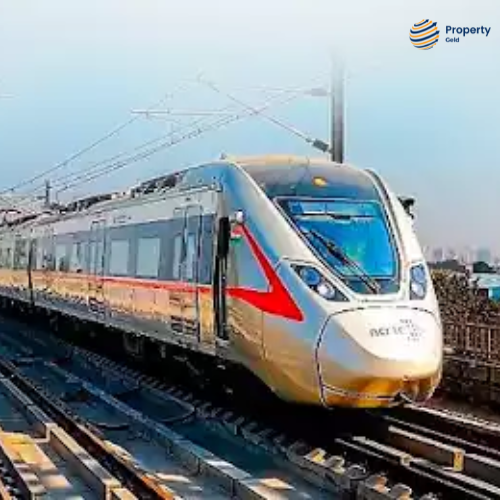
The Delhi–Panipat Regional Rapid Transit System (RRTS) is a significant infrastructure project designed to enhance connectivity between Delhi and Karnal, passing through key regions such as Sonipat and Panipat. This 135 km semi-high-speed rail corridor aims to reduce travel time and stimulate economic growth along its route.
Key Features of the Delhi–Panipat RRTS:
- Corridor Length: 135 kilometers
- Route: From Delhi to Karnal via Panipat
- Estimated Project Cost: ₹21,627 crores
- Maximum Train Speed: 160 km/h
- Average Train Speed: 120 km/h
- Travel Time: Approximately 45 minutes from Delhi to Karnal
- Passenger Capacity per Train: 250 individuals
- Service Frequency: Trains every 6 to 10 minutes
Route and Stations:
The RRTS corridor will predominantly align with National Highway 44 (NH44), ensuring seamless regional connectivity. It will feature 19 strategically located stations to facilitate passenger access:
- Sarai Kale Khan
- Indraprastha
- Kashmere Gate
- Burari Crossing
- Mukarba Chowk
- Alipur
- Kundli
- KMP Interchange
- Rajeev Gandhi Education City (RGEC)
- Murthal
- Gannaur
- Samalkha
- Panipat South
- Panipat North
- Panipat Depot Station
- Indian Oil Corporation Limited (IOCL)
- Gharaunda
- Madhuban
- Karnal
Integration with Existing Transport Systems:
To provide a seamless travel experience, the Delhi–Panipat RRTS will integrate with:
- Delhi Metro: Facilitating easy transfers within the city
- Indian Railways: Connecting to broader national routes
- Local Transport Networks: Enhancing last-mile connectivity
Current Status and Completion Timeline:
As of February 2025, the project has received necessary approvals, and construction activities are underway. The RRTS is expected to be operational by 2027, significantly reducing the travel time between Delhi and Karnal to approximately 45 minutes.
Impact on Real Estate and Regional Development:
The introduction of the Delhi–Panipat RRTS is anticipated to:
- Boost Real Estate: Increased demand for residential and commercial properties along the corridor
- Economic Growth: Attract investments and generate employment opportunities
- Enhanced Connectivity: Improve accessibility to educational institutions, industrial hubs, and other key areas
In summary, the Delhi–Panipat RRTS is poised to transform regional transit, offering swift, efficient, and reliable transportation. This development is set to have a profound positive effect on the socio-economic landscape of the regions it serves.
Related articles
- Delhi–Panipat RRTS: High-Speed Rail Corridor to Boost Connectivity & Real Estate
- Delhi–Panipat & Delhi–Alwar RRTS Corridors: Route, Stations & Key Benefits Explained
- Delhi RRTS Project: Delhi-Ghaziabad-Meerut Corridor & Funding
- Thiruvananthapuram Metro Rail Project: A Major Infrastructure Boost for Kerala’s Capital
- Haryana Orbital Rail Corridor: Route, Features and Benefits