
Home › Articles › Delhi › Delhi RRTS Project: Delhi-Ghaziabad-Meerut Corridor & Funding
Delhi RRTS Project: Delhi-Ghaziabad-Meerut Corridor & Funding
By PropertyGeld Editorial Team
Published on PropertyGeld:
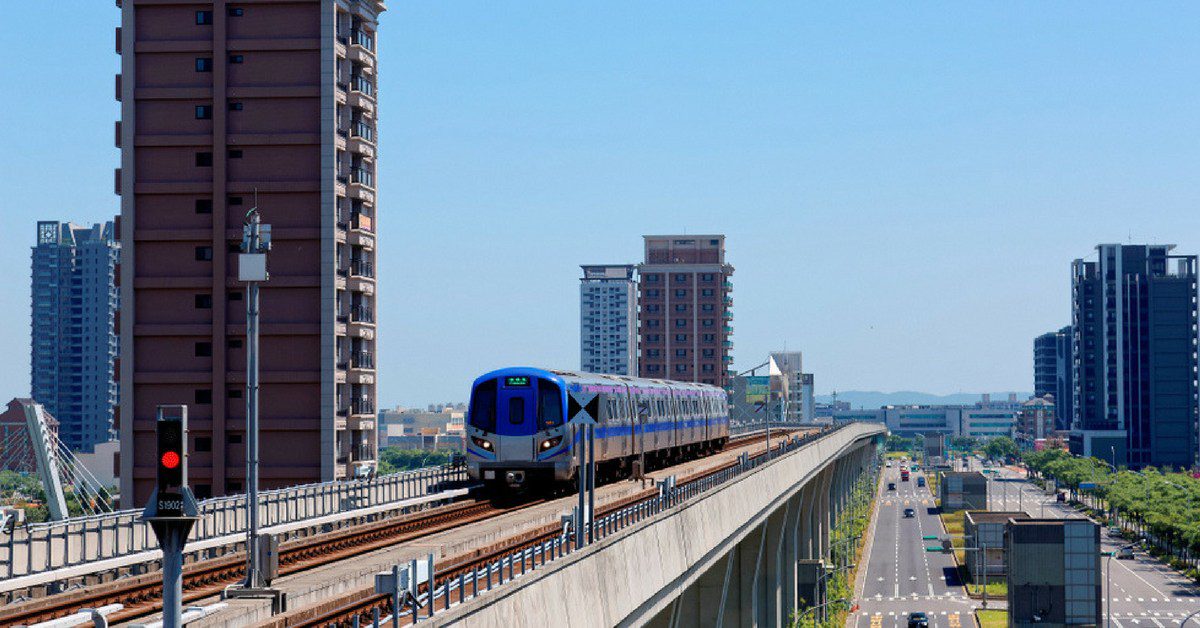
Delhi–Ghaziabad–Meerut RRTS: Funding and Connectivity
The Regional Rapid Transit System (RRTS) connecting Delhi, Ghaziabad and Meerut was being planned as a major regional transportation project to improve connectivity and help reduce traffic pressure in the national capital.
In January 2019, the Environment Pollution Control Authority (EPCA) said that the project was important for reducing congestion in Delhi and that the Delhi government needed to arrange its share of the required funding.
Delhi Government Faced Funding Challenges
At the time, the Delhi government had raised concerns about its ability to mobilise the funds required for the project.
EPCA chairman Bhure Lal said that the necessary funding had to be arranged, either through support from the Centre or through resources generated by the Delhi government.
The discussion followed a Supreme Court direction asking EPCA to bring the relevant stakeholders together and resolve the funding-related issues surrounding the project.
Delhi–Meerut RRTS Was Planned as a High-Speed Corridor
The proposed Delhi–Ghaziabad–Meerut RRTS corridor was planned over approximately 82.15 km.
The project was intended to provide faster regional transportation between Delhi and Meerut through Ghaziabad. The planned journey time was around 60 minutes, significantly reducing travel time compared with road-based commuting during congested periods.
The project was being implemented through the National Capital Region Transport Corporation (NCRTC), a joint initiative involving the Centre and participating state governments.
Delhi Section of the Corridor
Around 13 km of the corridor falls within Delhi, with stations planned at:
Sarai Kale Khan
New Ashok Nagar
Anand Vihar
These stations were planned to provide connections with other major modes of public transportation in the capital.
Supreme Court Directed Release of Funds
The funding issue later reached the Supreme Court.
In March 2019, the court directed the Delhi government to contribute Rs 265 crore from the Environment Compensation Charge (ECC) Fund towards the RRTS project. The court also directed the Delhi government to make appropriate budgetary allocations in subsequent years according to its financial responsibility for the project.
The order noted that the project was intended to help address congestion and that the Delhi section formed an important part of the regional corridor.
Why RRTS Was Considered Important
The RRTS was planned to provide a faster alternative for people travelling between Delhi and neighbouring NCR cities.
A regional rapid transit network could help:
Reduce dependence on private vehicles
Improve Delhi-NCR connectivity
Reduce road congestion
Make inter-city commuting faster
Connect residential and employment centres
Support regional economic activity
The broader RRTS plan also included other corridors connecting Delhi with regions towards Alwar and Panipat.
Integration With Other Transport Networks
The RRTS was planned to connect with existing transportation systems such as:
Delhi Metro
Railway stations
Inter-State Bus Terminals
Airports
Other RRTS corridors
The objective was to create a more integrated regional transportation network so commuters could transfer between different modes more conveniently.
RRTS and Delhi's Traffic Problem
Traffic congestion has long been an important transportation challenge for Delhi and the wider NCR.
The Delhi–Ghaziabad–Meerut corridor was therefore viewed as more than just a railway project. It was planned as part of a broader strategy to provide high-speed public transportation between major urban centres.
By offering an alternative to road travel, the project was expected to encourage more commuters to use public transport.
Conclusion
The Delhi–Ghaziabad–Meerut RRTS was planned as a major regional transportation corridor aimed at improving connectivity and reducing road congestion across the NCR.
In 2019, funding from the Delhi government was one of the major issues being discussed. The Supreme Court subsequently directed the release of Rs 265 crore from the ECC Fund and ordered further budgetary allocations towards Delhi's share of the project.
Historical note: The funding discussion covered in this article dates back to 2019, so the figures and government statements above should not be treated as the current financial status of the RRTS project.
Related articles
- Delhi RRTS Project: Delhi-Ghaziabad-Meerut Corridor & Funding
- Wazirabad to Delhi Airport Signal-Free Corridor | Delhi Road Project
- Delhi-NCR Real Estate: 20 New Housing Projects Launched in 2019
- Pune Tops Ease of Living Index 2018, Delhi Ranks 65th
- Why Delhi-NCR Rental Market Is Growing
- Housing Launches Rise in Bengaluru, Mumbai & Delhi-NCR