
Home › Articles › Delhi Government’s Winter Action Plan to Control Air Pollution
Delhi Government’s Winter Action Plan to Control Air Pollution
By PropertyGeld Editorial Team
Published on PropertyGeld:
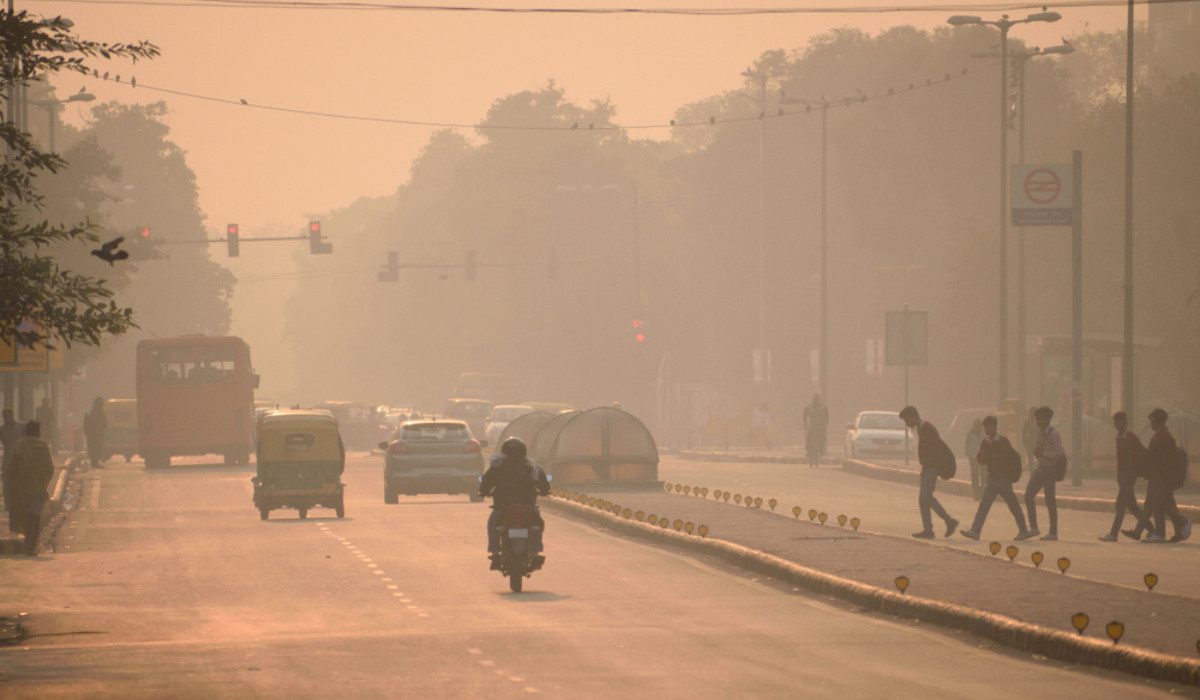
Air pollution becomes a serious concern in Delhi during the winter season due to weather conditions and increased emission sources. To tackle this issue, the government has introduced a comprehensive winter action plan aimed at reducing pollution levels and improving air quality across the city.
Why Pollution Worsens in Winter
- Cold air traps pollutants close to the ground
- Reduced wind speed prevents dispersion
- Increased stubble burning in nearby states
- Higher use of vehicles and heating sources
These factors together create dense smog, affecting visibility and public health.
Key Highlights of the Winter Action Plan
1. Control on Dust Pollution
Authorities plan to strictly monitor construction sites and ensure proper dust control measures such as:
- Use of anti-smog guns
- Covering construction materials
- Regular water sprinkling on roads
2. Monitoring Vehicle Emissions
Efforts are being made to reduce vehicular pollution by:
- Strengthening pollution checks
- Promoting public transport
- Encouraging the use of electric vehicles
3. Industrial Pollution Control
Industries that contribute to air pollution will be closely monitored. Non-compliant units may face penalties or temporary shutdowns to maintain air quality standards.
4. Waste Burning Restrictions
Open burning of garbage and waste will be strictly prohibited. Authorities will increase surveillance and impose fines on violators.
5. Real-Time Pollution Monitoring
The government plans to use advanced monitoring systems and data analysis to track pollution levels and take quick action when required.
6. Emergency Measures During Peak Pollution
In case pollution levels rise to severe levels, emergency actions may be implemented, such as:
- Limiting construction activities
- Restricting vehicle movement
- Temporary closure of schools
Focus on Public Awareness
- Use public transport or carpool
- Avoid burning waste
- Follow pollution guidelines
- Adopt eco-friendly practices
Public participation is considered essential for the success of the plan.
Expected Impact of the Plan
The winter action strategy aims to:
- Reduce overall pollution levels
- Improve air quality index (AQI)
- Protect public health
- Enhance visibility and daily life conditions
While it may not eliminate pollution completely, it is expected to significantly control the situation.
Challenges in Implementation
Despite strong planning, some challenges remain:
- Cross-border pollution sources like stubble burning
- High vehicle density in the city
- Rapid urbanization and construction activities
Effective coordination between states and agencies is necessary to overcome these issues.
Conclusion
The winter action plan introduced by the Delhi government is a comprehensive effort to tackle seasonal air pollution. By combining strict regulations, technological monitoring, and public participation, the initiative aims to create a cleaner and healthier environment during the most polluted months of the year.
Related articles
- Delhi Government’s Winter Action Plan to Control Air Pollution
- Delhi Pollution Control Measures: Understanding the Role of the Odd-Even Traffic Scheme
- Delhi Pollution Control Measures: Odd-Even Rule and Proposed Ban on Non-CNG Vehicles
- Haryana Government Plans to Establish Development Authority in Faridabad
- Haryana Government Notifies Comprehensive Development Plan for Faridabad
- Haryana Government Plans to Revise Occupation Certificate Policy for Buildings