
Home › Articles › Delhi Pollution Control Measures: Odd-Even Rule and Proposed Ban on Non-CNG Vehicles
Delhi Pollution Control Measures: Odd-Even Rule and Proposed Ban on Non-CNG Vehicles
By PropertyGeld Editorial Team
Published on PropertyGeld:
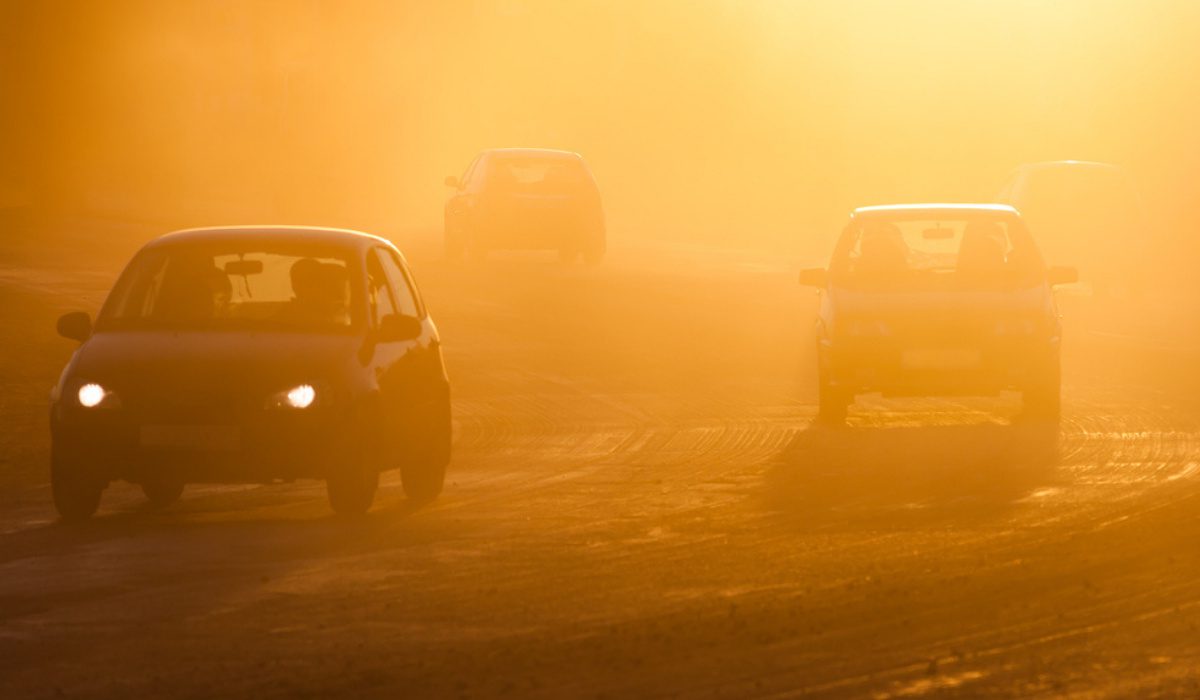
Delhi’s air pollution crisis has repeatedly forced authorities to introduce emergency measures aimed at reducing vehicular emissions and improving air quality. Among the most discussed pollution-control strategies are the odd-even traffic scheme and restrictions on non-CNG private vehicles. These measures were proposed during periods when Delhi’s Air Quality Index (AQI) reached severe and hazardous levels.
Rising Air Pollution in Delhi-NCR
Delhi-NCR regularly experiences dangerous pollution levels during winter months due to a combination of:
- Vehicular emissions
- Industrial pollution
- Construction dust
- Crop residue burning
- Weather conditions trapping pollutants
During severe pollution episodes, AQI levels often move into the “very poor” or “severe” category, creating major public health concerns.
What is the Odd-Even Scheme?
The odd-even traffic system is a vehicle rationing policy designed to reduce the number of private vehicles on roads. Under this system:
- Vehicles with odd-numbered registration plates operate on odd dates
- Vehicles with even-numbered registration plates operate on even dates
The policy was introduced as an emergency traffic and pollution control measure during high-pollution periods in Delhi.
Why Authorities Considered a Ban on Non-CNG Vehicles
Environmental authorities proposed stricter restrictions because vehicle emissions contribute significantly to Delhi’s pollution load. Recommendations included:
- Temporary ban on non-CNG private vehicles
- Restrictions on diesel vehicles
- Stronger enforcement of pollution-control measures
Authorities believed reducing private vehicle movement could help lower particulate emissions during emergency pollution conditions.
Importance of CNG Vehicles in Pollution Control
Compressed Natural Gas (CNG) vehicles are generally considered cleaner compared to conventional petrol and diesel vehicles because they produce:
- Lower particulate emissions
- Reduced nitrogen oxides
- Lower smoke pollution
Delhi has one of India’s largest CNG public transportation networks, including buses, taxis, and auto-rickshaws. This transition toward cleaner fuel has been part of the city’s long-term pollution-control strategy.
Public Debate Around the Odd-Even Rule
The odd-even policy has generated mixed public reactions over the years. Supporters believe the system helps:
- Reduce road congestion
- Lower traffic emissions
- Encourage public transport usage
However, critics argue that the actual reduction in pollution levels remains limited because:
- Two-wheelers are often exempted
- Public transport capacity remains insufficient
- Industrial and dust pollution also contribute heavily to smog levels
Online discussions and public debates continue questioning the long-term effectiveness of vehicle rationing policies.
Challenges in Implementing Vehicle Restrictions
Implementing large-scale traffic restrictions in Delhi-NCR creates several logistical and economic challenges:
- Heavy dependence on private vehicles
- Limited last-mile public transport
- Interstate vehicle movement
- Enforcement difficulties
- Daily commuting disruptions
Experts have also highlighted that pollution-control measures must be supported by stronger public transportation infrastructure.
Role of Public Transportation
Urban planners and environmental experts frequently stress the importance of:
- Expanding metro networks
- Increasing bus fleets
- Promoting electric mobility
- Improving shared transportation systems
Many experts believe sustainable public transportation improvements are essential for long-term pollution reduction in Delhi-NCR.
Other Major Causes of Delhi Pollution
Vehicular pollution is only one contributor to Delhi’s air quality crisis. Other major pollution sources include:
- Construction activities
- Road dust
- Industrial emissions
- Thermal power plants
- Crop burning in neighboring states
Weather conditions during winter often trap pollutants near the ground, worsening smog conditions across NCR.
Growing Push for Cleaner Vehicles
Authorities are increasingly encouraging:
- CNG adoption
- Electric vehicles
- BS-VI compliant vehicles
- Stricter emission checks
- Pollution Under Control (PUC) enforcement
Recent discussions in NCR also include stricter fuel and vehicle compliance measures to reduce emissions from older vehicles.
Impact on Daily Life and Economy
Pollution-control restrictions can directly affect:
- Office commuting
- Logistics operations
- School transportation
- Delivery services
- Business mobility
At the same time, worsening air pollution has become a serious public health issue linked to:
- Respiratory diseases
- Asthma
- Eye irritation
- Cardiovascular risks
This has increased public pressure on authorities to implement stronger environmental policies.
Future of Pollution Control in Delhi-NCR
Experts believe future pollution management in Delhi-NCR will likely involve a combination of:
- Cleaner fuel adoption
- Electric mobility
- Public transport expansion
- Industrial emission controls
- Smart traffic management
- Sustainable urban planning
Authorities may continue using temporary emergency measures like vehicle restrictions during severe pollution episodes while focusing on long-term infrastructure upgrades.
Related articles
- Delhi Pollution Control Measures: Odd-Even Rule and Proposed Ban on Non-CNG Vehicles
- Delhi Pollution Control Measures: Understanding the Role of the Odd-Even Traffic Scheme
- Delhi Government’s Winter Action Plan to Control Air Pollution
- Construction Ban in NCR Due to Air Pollution: Rules, Impact & Updates