
Home › Articles › Circle Rates Along Dwarka Expressway: Impact on Property Buyers and Investors
Circle Rates Along Dwarka Expressway: Impact on Property Buyers and Investors
By PropertyGeld Editorial Team
Published on PropertyGeld:
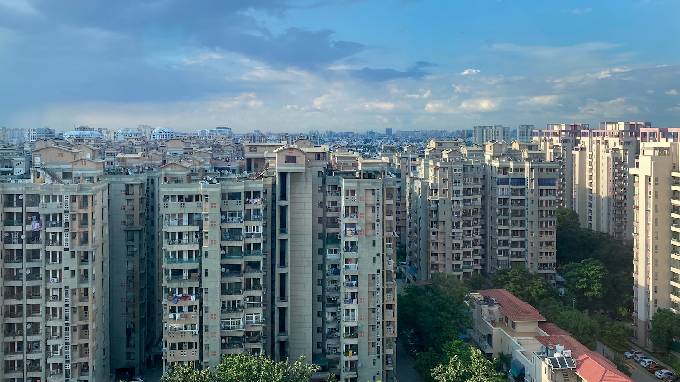
Dwarka Expressway has become one of the fastest-growing real estate corridors in NCR, and rising circle rates across this region are now reshaping the property market in Gurugram. As infrastructure development accelerates and luxury housing demand increases, authorities have revised government property valuation rates to align them more closely with actual market prices.
What Are Circle Rates?
Circle rates, also called collector rates, are the minimum property values fixed by the government for property registration and stamp duty calculation. Property transactions cannot legally be registered below these government-notified values. Higher circle rates generally increase:
- Stamp duty charges
- Registration costs
- Property valuation benchmarks
- Loan assessment values in some cases
These rates play a major role in determining the official transaction cost of residential and commercial properties.
Why Dwarka Expressway Circle Rates Are Rising
The Dwarka Expressway corridor has witnessed rapid urban expansion over the last few years. Multiple premium residential projects, commercial developments, and infrastructure upgrades have significantly increased land demand.
Key reasons behind rising circle rates include:
- Completion of major expressway sections
- Improved Delhi-Gurugram connectivity
- Luxury project launches by major developers
- Rising property transaction volumes
- Infrastructure-driven appreciation
- Growing investor activity
Authorities aim to reduce the gap between government-notified rates and actual market transaction values.
Sectors Seeing Major Circle Rate Hikes
Recent proposals and revisions show some of the steepest hikes in sectors located along Dwarka Expressway, especially:
- Sector 102
- Sector 104
- Sector 106
- Sector 108
- Sector 109
- Sector 111
- Sector 113
- Sector 114
- Sector 115
Reports suggest proposed hikes in some sectors may range between 30% and 75%, depending on the property category and location.
Difference Between Market Rate and Circle Rate
Even after revisions, market prices on Dwarka Expressway often remain much higher than official circle rates. In several premium sectors, luxury projects are being sold significantly above government valuation benchmarks.
Typical reasons for this gap include:
- Premium developer branding
- Clubhouse and lifestyle amenities
- Better project location
- Infrastructure growth expectations
- Investor-driven pricing
As market rates continue increasing, authorities periodically revise circle rates to maintain valuation transparency.
Impact on Homebuyers
Higher Registration Costs
One direct effect of circle rate hikes is increased stamp duty and registration expenses. Buyers purchasing homes after revised rates come into effect may need to pay lakhs more in government charges.
Increased Investment Pressure
Many buyers try to finalize transactions before new circle rates are implemented to reduce registration costs. This often creates temporary spikes in property demand.
Better Market Transparency
Authorities believe revised circle rates reduce undervaluation practices and improve transparency in property transactions.
Impact on Investors and Developers
For investors, higher circle rates are often viewed as a sign of infrastructure growth and rising government confidence in a region’s value potential.
Developers operating along Dwarka Expressway may also benefit because:
- Higher government valuations improve market perception
- Premium pricing becomes easier to justify
- Luxury developments gain stronger positioning
- Investor confidence increases
However, higher transaction costs can also reduce affordability for some buyers.
Infrastructure Driving Price Growth
The real estate growth along Dwarka Expressway is closely linked with multiple infrastructure developments, including:
- Direct Delhi connectivity
- IGI Airport access
- Elevated road networks
- Metro expansion proposals
- Service road improvements
- Commercial corridor development
These projects continue attracting both end-users and long-term investors.
Market Sentiment Around Dwarka Expressway
Online real estate discussions show mixed opinions regarding current pricing levels. Some investors believe the corridor still has strong long-term growth potential, while others feel certain sectors have already become highly priced.
Luxury housing launches and rapid infrastructure upgrades continue driving attention toward this corridor despite pricing debates.
Future Outlook
As Gurugram continues expanding toward New Gurgaon and Dwarka Expressway, circle rates are expected to remain dynamic. Future revisions may depend on:
- Infrastructure completion
- Market transaction volumes
- Luxury housing demand
- Commercial expansion
- Government revenue policies
The corridor is likely to remain one of NCR’s most active real estate investment zones over the coming years.
Conclusion
Circle rates along Dwarka Expressway reflect the rapid transformation of this corridor into a major real estate destination in NCR. Rising infrastructure development, luxury housing growth, and increasing investor demand are pushing government valuations upward. While higher circle rates may increase registration costs for buyers, they also indicate the growing importance of Dwarka Expressway in Gurugram’s future property market.
Related articles
- Circle Rates Along Dwarka Expressway: Impact on Property Buyers and Investors
- Dwarka Expressway Completion & Impact on NCR Real Estate
- Dwarka Expressway Construction: History, Connectivity & Gurugram Impact
- Dwarka Expressway Gurgaon: Connectivity & Real Estate Impact
- Affordable Housing Projects Along Dwarka Expressway: A Smart Choice for Homebuyers in Gurgaon
- Smartworld One DXP: Luxury Living Rising Along Dwarka Expressway