
Home › Articles › Dwarka Expressway Gurgaon: Connectivity & Real Estate Impact
Dwarka Expressway Gurgaon: Connectivity & Real Estate Impact
By Aman
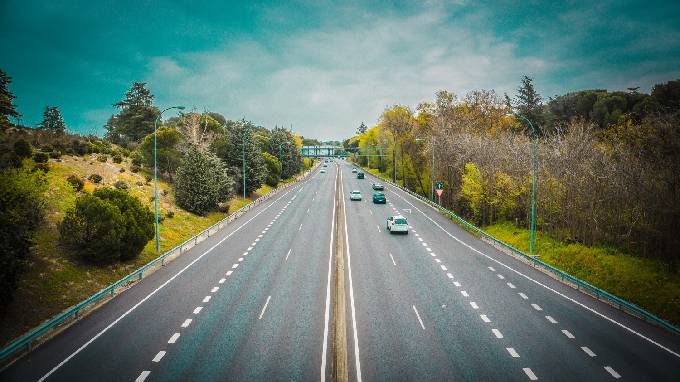
Dwarka Expressway: Gurgaon Stretch Expected to Improve Connectivity
The Dwarka Expressway has been planned as an important alternative route between Delhi and Gurgaon, with the aim of reducing pressure on existing roads and making daily commuting more convenient. The project has also attracted attention from the real estate sector, particularly in residential areas located along the corridor.
Gurgaon Stretch of Dwarka Expressway
The Gurgaon section of the Dwarka Expressway covers around 19 km between Bajghera and Kherki Daula. The development was expected to provide an additional connection between Delhi and Gurgaon and reduce traffic pressure on existing routes.
The remaining portion within Delhi was planned separately and was expected to take additional time for completion.
Project Background
The approximately 29-km-long Dwarka Expressway was conceptualised to provide an alternative connection between Delhi and Gurgaon. The project was announced in 2007 and involved an estimated investment of around Rs 9,000 crore at the time.
Construction on the Gurgaon section started in November 2019, while work on the Delhi portion began in September 2020.
Reasons Behind Project Delays
The project faced several challenges during its development. Delays were associated with issues related to land acquisition compensation, legal proceedings and the COVID-19 pandemic.
Construction activity was also affected by restrictions imposed to control pollution. Work was subsequently suspended after a portion of an elevated road near Daultabad Chowk collapsed, resulting in additional scrutiny and delays.
Construction activity on the Gurgaon section later resumed, allowing work to progress further.
Cloverleaf Interchange to Improve Road Connectivity
One of the important components of the development is the cloverleaf interchange, designed to provide smoother movement between multiple major road corridors.
The interchange includes four loops covering a combined circumference of more than two kilometres. Once operational, such connections can help vehicles move between routes including:
Central Peripheral Road (CPR)
Southern Peripheral Road (SPR)
Delhi-Gurgaon Expressway
Delhi-Mumbai Expressway
Better integration between these corridors is expected to improve connectivity for commuters travelling between different parts of Gurgaon, Delhi and surrounding areas.
Residential Areas That Could Benefit
Improved connectivity along the expressway corridor has increased interest in several residential sectors of Gurgaon. Areas that could benefit from better road access include:
Sector 102
Sector 103
Sector 104
Sector 105
Sector 106
Sector 109
Sector 110
Sector 111
Sector 112
Sector 113
These sectors offer a mix of apartments and other residential developments at different price points. Better connectivity may support demand from both homebuyers and tenants, particularly among people working in Gurgaon and Delhi.
Impact on Gurgaon Real Estate
Infrastructure projects such as the Dwarka Expressway can influence residential demand by improving accessibility to employment hubs, commercial areas and other parts of the National Capital Region.
As connectivity improves, sectors located along or near the expressway may attract greater attention from buyers and investors. Rental housing could also benefit as more professionals look for homes with convenient access to workplaces and major transportation corridors.
However, property buyers should evaluate factors such as current infrastructure, actual travel times, project completion status, developer reputation, construction quality and surrounding amenities before making an investment decision.
Conclusion
The Dwarka Expressway is an important infrastructure corridor connecting Delhi and Gurgaon. Its improved connectivity, integration with major highways and proximity to developing residential sectors have made the corridor significant for both transportation and real estate.
The sectors around the Gurgaon stretch may continue to see increased residential interest as road infrastructure and supporting development progress.