
Home › Articles › Bangalore Metro Yellow Line: Route, Stations, and Key Details
Bangalore Metro Yellow Line: Route, Stations, and Key Details
By PropertyGeld Editorial Team
Published on PropertyGeld:
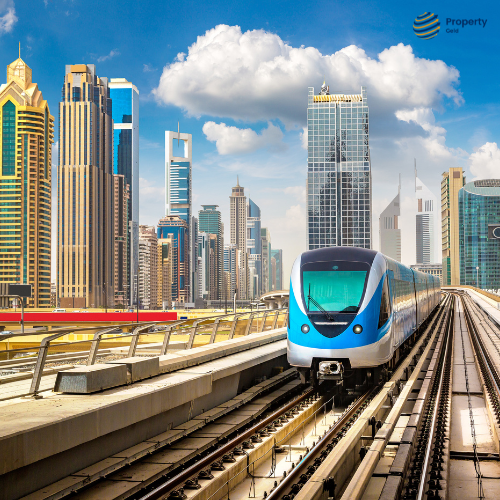
The Bangalore Metro's Yellow Line is one of the most anticipated additions to the city's public transportation network. Designed to enhance connectivity and ease commuting, this metro line is set to significantly impact real estate and daily travel in Bangalore.
Overview of the Yellow Line
The Yellow Line is an important corridor in the Bangalore Metro network, improving connectivity between various key areas in the city. This metro line will serve as a crucial link between the northern and southern regions of Bangalore, addressing the growing demand for efficient urban transport.
The Bangalore Metro Rail Corporation Limited (BMRCL) has been actively developing this route as part of its Phase 2 expansion, which aims to strengthen the city’s metro network.
Route and Stations on the Yellow Line
The Yellow Line stretches from R V Road to Bommasandra, covering a significant portion of the city. It spans approximately 18.82 km and comprises 16 stations. The stations along this route include:
- R V Road
- Ragigudda
- Jayadeva Hospital
- BTM Layout
- Central Silk Board
- HSR Layout
- Oxford College
- Bommanahalli
- Kudlu Gate
- Singasandra
- Hosa Road
- Electronics City Phase 1
- Electronics City Phase 2
- Huskur Road
- Hebbagodi
- Bommasandra
These stations are strategically placed to cater to high-density areas, IT hubs, and commercial zones, making travel more accessible and convenient for daily commuters.
Significance of the Yellow Line
Enhanced Connectivity
The Yellow Line is expected to ease congestion on major roads by providing a seamless and time-efficient transit alternative. It is particularly beneficial for professionals working in Electronic City, one of Bangalore’s largest IT hubs. The metro line will enable faster and more reliable commuting between residential neighborhoods and major employment centers.
Real Estate Growth Along the Yellow Line
Metro expansions have historically influenced real estate growth, and the Yellow Line is no exception. Areas along this corridor are witnessing an increase in property demand and price appreciation due to improved accessibility. Developers and investors are showing keen interest in regions around the upcoming stations, anticipating a surge in residential and commercial developments.
- Bommasandra and Hebbagodi: These areas are experiencing a rise in new residential projects, with better infrastructure and connectivity making them attractive for homebuyers and investors.
- BTM Layout and HSR Layout: Already established residential hubs, these locations are expected to see a further boost in property values due to metro access.
- Electronic City: With improved public transport, demand for residential and rental properties is expected to rise significantly.
Expected Completion and Operational Timeline
The BMRCL has set a target to complete the Yellow Line by mid-2025. Delays due to the pandemic had initially impacted construction, but significant progress has been made in recent months. Once operational, this metro line will reduce travel time, ease traffic congestion, and provide a reliable transportation alternative.
Impact on Daily Commuting
The introduction of the Yellow Line will result in reduced dependence on private vehicles, leading to lower fuel consumption and less pollution. Key benefits include:
- Time-saving travel: Commuters can expect to cut down their travel time between Bommasandra and R V Road from over an hour to approximately 35-40 minutes.
- Better accessibility: More affordable and reliable transport for students, working professionals, and daily commuters.
- Less road congestion: Reduction in vehicular traffic on routes like Hosur Road and Bannerghatta Road.
Future Expansion and Integration
The Yellow Line is designed to integrate with other metro corridors, ensuring a well-connected transit network. Key interchanges include:
- R V Road Station – Connects with the Green Line, allowing commuters to travel towards Yelachenahalli and Nagasandra.
- Jayadeva Hospital Station – Expected to link with the Pink Line (Phase 2A), further improving connectivity to other parts of Bangalore.
- Central Silk Board Station – A major transit hub connecting multiple metro lines, buses, and upcoming mobility solutions.
Conclusion
The Bangalore Metro Yellow Line is set to be a game-changer for urban commuting in the city. With improved connectivity, reduced travel time, and a significant impact on real estate, this metro expansion will benefit both residents and businesses. As Bangalore continues to grow, the development of efficient public transport infrastructure like the Yellow Line is crucial for sustainable urban development.
Related articles
- Bangalore Metro Yellow Line: Route, Stations, and Key Details
- Delhi Metro Magenta Line: Route, Stations, Connectivity & Real Estate Impact
- Delhi Metro Magenta Line: Route, Stations, Map & Connectivity Guide
- DMRC to Extend Delhi Metro Red Line from Narela to Kundli: Route, Stations & Impact
- Ghaziabad Metro: Routes, Stations, Connectivity & Key Details
- Bangalore Metro Yellow Line: A Game-Changer for Urban Connectivity and Real Estate Growth