
Home › Articles › Bangalore Metro Yellow Line: A Game-Changer for Urban Connectivity and Real Estate Growth
Bangalore Metro Yellow Line: A Game-Changer for Urban Connectivity and Real Estate Growth
By PropertyGeld Editorial Team
Published on PropertyGeld:
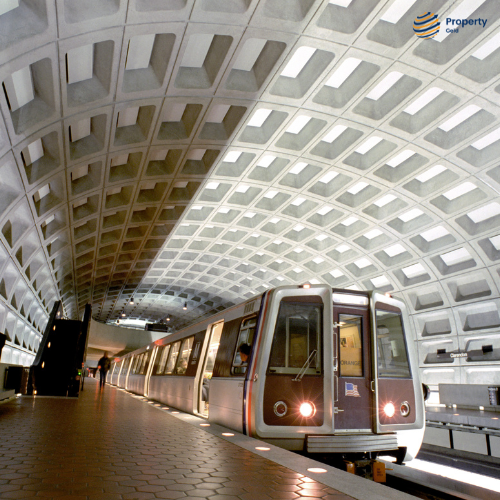
The Namma Metro Yellow Line is a highly anticipated metro corridor in Bangalore, designed to enhance connectivity, ease traffic congestion, and boost real estate development along its route. This 19.5 km elevated metro line will link R.V. Road in South Bangalore to Bommasandra, a key industrial and residential hub. The metro line is expected to be operational by April 2025, bringing transformative changes to the city's transportation network.
The project, undertaken by the Bangalore Metro Rail Corporation Limited (BMRCL), is part of Phase 2 of Namma Metro’s expansion plan and will significantly improve travel efficiency for thousands of daily commuters.
Key Features of the Bangalore Metro Yellow Line
- Total Length: 19.5 km (Elevated Corridor)
- Total Stations: 16
- Route: R.V. Road to Bommasandra
- Developer: Bangalore Metro Rail Corporation Limited (BMRCL)
- Expected Completion: April 2025
- Special Feature: Driverless Metro Trains
Route and Metro Stations
The Yellow Line will provide direct access to several high-density commercial, industrial, and residential zones. It will also serve as a crucial link between South Bangalore and the IT hubs located along Hosur Road.
The 16 metro stations along the Yellow Line include:
- R.V. Road
- Ragigudda
- Jayadeva Hospital (Interchange for Pink Line)
- B.T.M Layout
- Central Silk Board
- H.S.R Layout
- Oxford College
- Muneshwara Nagar
- Bommanahalli
- Hongasandra
- Kudlu Gate
- Singasandra
- Hosa Road
- Electronic City-1
- Electronic City-2
- Bommasandra (Terminal Station)
Metro Line’s Strategic Importance
1. Improved Connectivity
- The Yellow Line will connect South Bangalore to Bommasandra, a rapidly growing IT and industrial hub.
- Jayadeva Hospital station will serve as an interchange with the Pink Line, allowing seamless travel across multiple metro routes.
- The corridor will provide direct connectivity to key employment hubs, reducing travel time and decongesting major roads like Hosur Road and Outer Ring Road.
2. Driverless Train Technology
- The Bangalore Metro Yellow Line will introduce driverless metro operations, enhancing efficiency, reliability, and passenger safety.
- The advanced signaling system will ensure high-frequency operations and reduced waiting times for commuters.
3. Decongesting Major Traffic Corridors
- Hosur Road, Silk Board Junction, and Electronic City are among Bangalore’s most traffic-congested areas.
- The Yellow Line is expected to ease congestion by providing a fast, reliable alternative to road transport.
Impact on Real Estate and Economic Growth
The Bangalore Metro Yellow Line is expected to significantly boost real estate demand along its corridor, making it a prime investment zone.
1. Increased Demand for Residential Properties
- Areas along the Yellow Line corridor will see a rise in demand for apartments and housing projects, particularly in:
- Electronic City
- Bommanahalli
- H.S.R Layout
- Silk Board
- Homebuyers and investors are expected to prefer properties near metro stations due to enhanced connectivity.
2. Growth in Commercial and Business Districts
- IT hubs in Electronic City and Bommasandra will benefit from improved metro access, attracting more businesses and commercial investments.
- New retail, office spaces, and business parks are likely to emerge along the route, increasing job opportunities and economic activity.
3. Property Price Appreciation
- The metro connectivity will drive property prices up, benefiting both homeowners and investors.
- Historically, real estate values near metro corridors in Bangalore have appreciated significantly, with areas like Indiranagar, Jayanagar, and Whitefield witnessing substantial growth after metro expansion.
- Experts predict price appreciation along the Yellow Line corridor by 15-25% in the next few years.
Challenges and Future Prospects
1. Project Delays and Completion Timeline
- Initially planned for completion in 2022, the project faced multiple delays due to land acquisition issues and construction challenges.
- However, the BMRCL has expedited work, and the line is now scheduled for operation by April 2025.
2. First-Mile and Last-Mile Connectivity
- The success of the Yellow Line will depend on feeder bus services, pedestrian-friendly access, and shared mobility solutions.
- The Bangalore Metropolitan Transport Corporation (BMTC) is expected to introduce additional bus routes connecting metro stations to key residential and commercial areas.
Future Prospects and City-Wide Impact
The Namma Metro Yellow Line is not just a transportation project—it is a catalyst for urban transformation in Bangalore. The economic and real estate impact of the metro expansion is expected to be long-lasting, making properties along the corridor highly desirable.
With enhanced infrastructure, business expansion, and rising property values, the Yellow Line corridor presents a golden opportunity for homebuyers and investors in Bangalore’s real estate market.
Once operational, this state-of-the-art metro line will:
- Enhance urban mobility and reduce travel time
- Encourage sustainable transportation and reduce traffic congestion
- Attract new commercial, residential, and retail investments
- Boost real estate prices, creating high-value investment zones
Conclusion
The Bangalore Metro Yellow Line is set to redefine connectivity, enhance economic activity, and transform real estate prospects in South Bangalore. The seamless metro link to major IT hubs, commercial centers, and residential neighborhoods will drive significant development along the corridor.
For investors, homebuyers, and businesses, the Yellow Line metro corridor offers immense potential. With real estate values projected to rise and connectivity improving across Bangalore, this metro expansion marks a new chapter in the city's urban development journey.
Related articles
- Bangalore Metro Yellow Line: A Game-Changer for Urban Connectivity and Real Estate Growth
- Bangalore Metro Yellow Line: Route, Stations, and Key Details
- Top 5 Localities Near Yellow Metro Line in Gurgaon
- Delhi Metro Magenta Line: Route, Stations, Connectivity & Real Estate Impact
- Delhi Metro Magenta Line: Route, Stations, Map & Connectivity Guide
- Kolkata Metro Line 6: Enhancing Connectivity from New Garia to Kolkata International Airport