
Home › Articles › Union Budget 2025-26: Real Estate’s Shift Towards Affordability and Urban Growth
Union Budget 2025-26: Real Estate’s Shift Towards Affordability and Urban Growth
By PropertyGeld Editorial Team
Published on PropertyGeld:
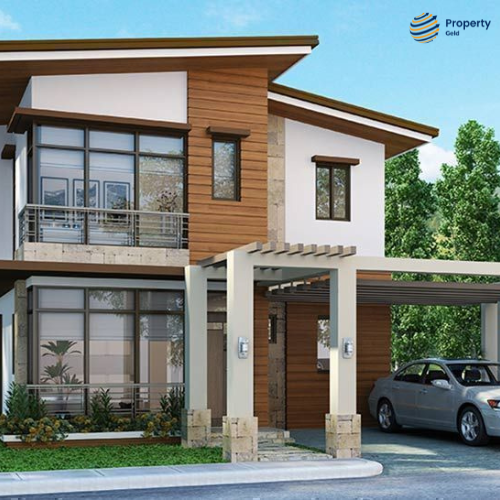
In India, owning a home is more than just a necessity—it represents financial security and personal pride. However, in today’s market, rising property prices, high interest rates, and limited loan accessibility have made this dream increasingly difficult for many, particularly first-time buyers. Added to these are bureaucratic hurdles and traditional social pressures. As urban lifestyles evolve, co-living and renting have emerged as practical alternatives. Consequently, the real estate sector is adapting, striking a balance between luxury offerings and the growing need for affordable housing.
Urbanisation and Government Push Driving Market Expansion
Urban migration, growing disposable incomes, and government-backed initiatives continue to propel the Indian real estate market. As part of its long-term vision, the Union Budget 2025-26 has introduced several measures aimed at accelerating infrastructure growth and housing accessibility.
Key Budget Highlights for Real Estate
On February 1, 2025, Finance Minister Nirmala Sitharaman unveiled a budget focused on economic resilience, infrastructure advancement, and taxation reforms. While direct benefits such as additional tax exemptions for home loans or changes in property taxes were not introduced, the budget delivered a series of impactful provisions.
Middle-income households, particularly those earning under ₹12 lakh per annum, received some tax reliefs and allowances, easing the burden of homeownership. Though modest, these steps aim to make property purchases more feasible for a broader population segment.
Strengthening Affordable Housing
One of the standout initiatives is the continuation and expansion of the SWAMIH Fund (Special Window for Affordable and Mid-Income Housing). The original fund helped deliver 50,000 stalled homes, and with its ongoing implementation, another 40,000 homes are set to be completed in 2025.
Taking this further, the government introduced SWAMIH Fund 2—a ₹15,000 crore blended finance initiative supported by both public and private investments. It is projected to aid the completion of an additional 1 lakh housing units, giving a strong push to affordable housing and supporting developers in delivering delayed projects.
Financial Relief for Homeowners and Landlords
In a welcome move, the government revised the tax norms related to self-occupied properties. Previously, tax exemption on notional rent was limited to one property, but now, taxpayers can claim this benefit on two self-occupied homes. This not only reduces the tax outgo but also promotes property investment for those seeking a second home.
Additionally, the TDS (Tax Deducted at Source) threshold on rental income has been increased from ₹2.4 lakh to ₹6 lakh annually. This change will particularly benefit small landlords by reducing the frequency of TDS deductions and simplifying tax compliance.
Investments in Urban Infrastructure
The budget allocates ₹1 lakh crore under the Urban Challenge Fund to foster sustainable development across cities. This fund will support urban growth initiatives like redeveloping existing cities, improving sanitation, and developing growth hubs. For the fiscal year 2025-26, ₹10,000 crore has been earmarked to kickstart these projects.
The scheme encourages collaboration between public and private players, with up to 25% of project costs funded directly by the government. The rest is expected to be covered through loans, bonds, and partnerships, laying the groundwork for sustainable and inclusive urbanisation.
Encouraging Investment and Supporting the Luxury Segment
Though the budget did not announce direct measures for luxury real estate, it introduced broader economic reforms that are likely to boost the premium property segment. For instance, tax clarity for Alternate Investment Funds (AIFs), especially those funding infrastructure and growth-oriented sectors, is expected to attract more capital into real estate.
Furthermore, the announcement of a national framework to support Global Capability Centres (GCCs) in tier-2 cities will enhance business ecosystems beyond metro areas. This can trigger demand for high-end residential and commercial spaces in new urban centres.
A Clear Tilt Towards Affordability
Overall, the Union Budget 2025-26 reaffirms the government’s focus on promoting affordable housing and inclusive development. Through continued support for the SWAMIH Fund, updated tax benefits, and infrastructure-focused initiatives, the budget empowers middle-income homebuyers and fuels real estate growth in emerging areas.
Although the luxury housing market wasn’t addressed directly, the broader economic and infrastructure roadmap paves the way for premium developments. The challenge lies in timely execution and effective on-ground implementation of these schemes to turn potential into tangible gains for developers, investors, and homebuyers alike.
Related articles
- Union Budget 2025-26: Real Estate’s Shift Towards Affordability and Urban Growth
- Union Budget 2025: A Potential Catalyst for Real Estate Growth in Tourist Hotspots
- NCR Sees Strong Growth in Residential Sales: Most In-Demand Budget Segments Revealed
- Mumbai’s Real Estate Market Sees Shift in Apartment Sizes Amid Affordability Concerns
- Faridabad Metropolitan Development Authority to be formed to accelerate urban growth: Haryana CM
- Pune Master Plan 2041: Urban Growth, Infrastructure & Housing Vision