
Home › Articles › NGT Lifts Construction Ban in Delhi-NCR: What It Means for Real Estate and Infrastructure
NGT Lifts Construction Ban in Delhi-NCR: What It Means for Real Estate and Infrastructure
By PropertyGeld Editorial Team
Published on PropertyGeld:
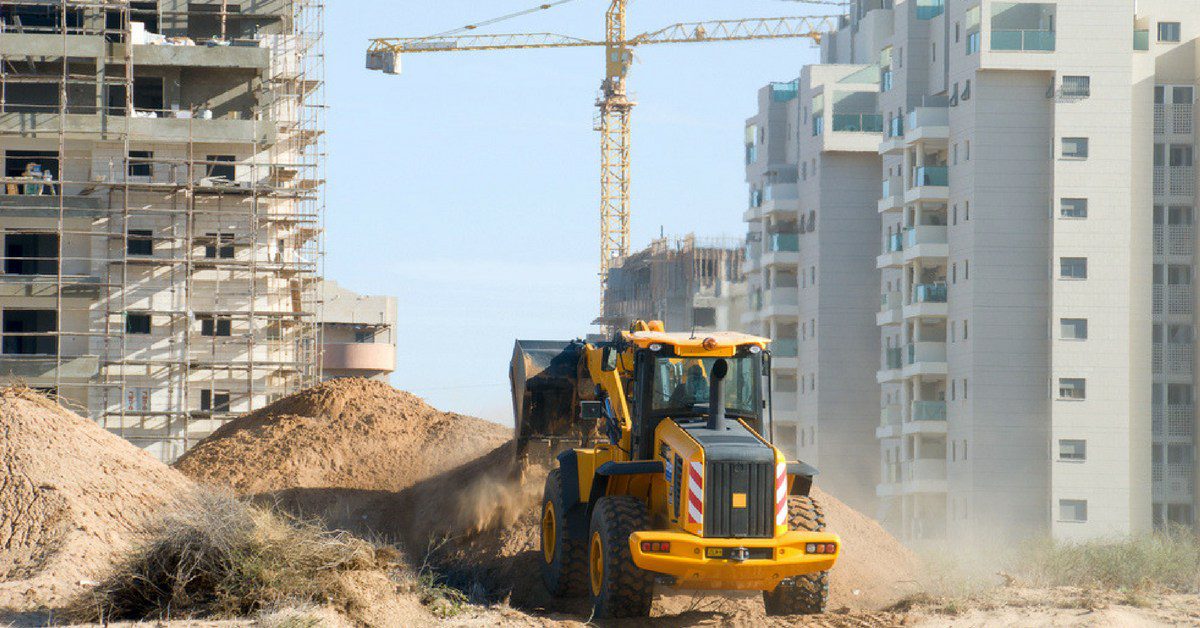
The lifting of construction restrictions in Delhi-NCR by the National Green Tribunal (NGT) and related pollution-control authorities has brought major relief to the region’s real estate, infrastructure, and construction sectors. The ban had earlier been imposed due to severe air pollution levels under emergency anti-pollution measures aimed at controlling dust and emissions across NCR.
The decision to ease restrictions is expected to restart delayed housing projects, improve construction timelines, and reduce pressure on developers and homebuyers waiting for possession of properties.
Why Construction Activities Were Restricted
Delhi-NCR frequently faces severe air pollution during winter months because of:
- Vehicular emissions
- Dust pollution from construction sites
- Industrial emissions
- Crop residue burning
- Weather and wind conditions
Authorities often activate emergency measures under the Graded Response Action Plan (GRAP) when Air Quality Index (AQI) levels become dangerous. These restrictions typically include temporary bans on:
- Construction and demolition activities
- Operation of polluting industries
- Entry of heavy vehicles
- Diesel generator usage in some zones
The restrictions are mainly aimed at reducing particulate matter pollution in the NCR region.
Relief for the Real Estate Sector
The removal of construction restrictions has given relief to developers across Delhi, Gurugram, Noida, Greater Noida, Faridabad, and Ghaziabad.
Faster Project Completion
Many housing and commercial projects were delayed because of repeated stoppages in construction activity. Developers believe smoother operations may now help improve delivery schedules.
Reduced Financial Pressure
Construction halts often increase project costs because builders continue paying for:
- Labour retention
- Machinery rentals
- Financing and interest costs
- Material storage
- Contractor expenses
Resuming work helps reduce prolonged financial strain on ongoing projects.
Homebuyers Benefit
Delayed construction timelines had affected thousands of homebuyers waiting for possession of apartments and commercial properties. The lifting of restrictions may help accelerate pending work in multiple NCR projects.
Pollution Control Conditions Still Continue
Even after lifting the broader construction ban, authorities continue insisting on strict anti-pollution compliance measures at project sites.
Construction companies are expected to follow:
- Dust suppression systems
- Water sprinkling measures
- Covered material transportation
- Anti-smog gun deployment in some projects
- Green net coverings around sites
- Proper debris management
Polluting industries and activities may still face restrictions depending on AQI levels.
Impact on NCR Infrastructure Projects
Large infrastructure developments across NCR were also affected by pollution-related restrictions. The easing of bans may support progress in projects such as:
- Dwarka Expressway connectivity works
- Metro expansion projects
- Elevated corridors
- Flyovers and underpasses
- Residential township developments
- Commercial office construction
Infrastructure delays often affect broader urban mobility and investment activity across the region.
Real Estate Market Sentiment Improving
The NCR property market has shown stronger recovery in recent years, especially in locations like:
- Gurugram
- Noida
- Dwarka Expressway
- Greater Noida West
- SPR Gurgaon
- New Gurgaon
Developers and investors generally view uninterrupted construction activity as important for maintaining buyer confidence and investment momentum.
Environmental Concerns Still Remain
Environmental experts continue warning that construction dust remains a major contributor to urban pollution in Delhi-NCR. Authorities are therefore likely to continue using temporary restrictions during extreme pollution periods.
Several civic agencies are also pushing for:
- Sustainable construction practices
- Better waste management systems
- Low-emission machinery
- Real-time pollution monitoring at sites
- Stricter compliance enforcement
The long-term challenge remains balancing urban growth with environmental protection.
Future of Construction Regulation in NCR
Experts believe pollution-linked construction restrictions may continue becoming a seasonal reality in NCR unless long-term environmental solutions improve.
Future urban policies may focus more on:
- Green construction technologies
- Smart dust-control systems
- Sustainable urban planning
- AI-based pollution monitoring
- Cleaner transport infrastructure
- Better coordination between civic agencies
Developers may increasingly need to integrate environmental compliance into core project planning.
Conclusion
The lifting of the construction ban in Delhi-NCR has provided major relief to the real estate and infrastructure sectors after weeks of restricted activity caused by severe pollution concerns. While the decision is expected to improve project execution and market confidence, authorities continue emphasizing strict pollution-control compliance. As NCR expands rapidly, balancing environmental protection with construction growth will remain one of the region’s biggest urban challenges.
Related articles
- NGT Lifts Construction Ban in Delhi-NCR: What It Means for Real Estate and Infrastructure
- Supreme Court on Delhi Sealing Drive and Unauthorised Construction
- National Projects Construction Corporation (NPCC): Building India's Infrastructure Since 1957
- National Projects Construction Corporation Limited (NPCC): India’s Infrastructure Development Pioneer
- Demand for Under-Construction Homes Declines in Delhi-NCR
- L-G Approves Land Transfer for Construction of Delhi’s New 6-Lane Highway