
Home › Articles › Kalkaji Mandir Metro Station: Route, Interchange & Connectivity Guide
Kalkaji Mandir Metro Station: Route, Interchange & Connectivity Guide
By PropertyGeld Editorial Team
Published on PropertyGeld:
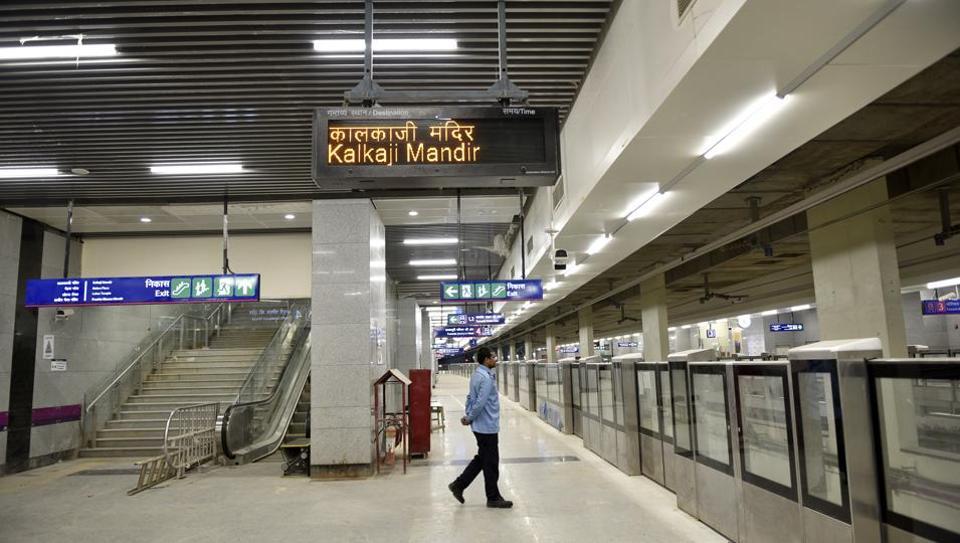
Kalkaji Mandir Metro Station is one of the most important interchange stations in the Delhi Metro network. Located in South-East Delhi, it connects two major metro corridors and provides easy access to popular residential, commercial, and religious areas.
Location and Connectivity
- Central Delhi
- South Delhi
- Noida
- Faridabad
Its location near major commercial zones and tourist attractions makes it a highly used metro station.
Metro Lines and Interchange
Kalkaji Mandir Metro Station is an interchange station connecting:
- Violet Line (Kashmere Gate – Ballabhgarh)
- Magenta Line (Janakpuri West – Botanical Garden)
This interchange allows commuters to switch between lines easily, improving connectivity across Delhi and NCR.
The Violet Line is elevated, while the Magenta Line runs underground, connected by a pedestrian pathway.
Key Features of the Station
- Multi-level station (elevated + underground)
- Four platforms handling both lines
- Pedestrian connectivity between lines
- High passenger footfall due to interchange
The station plays a crucial role in reducing travel time across different parts of the city.
Facilities Available
The station is equipped with modern amenities for passenger convenience:
- Escalators and lifts
- Smart card and ticket counters
- Parking facilities
- CCTV security and help desk
- Shops and basic services
These facilities ensure a smooth commuting experience for daily passengers.
Nearby Landmarks
- Kalkaji Temple
- Lotus Temple
- ISKCON Temple
- Nehru Place commercial hub
These attractions make it important for both tourists and daily commuters.
Importance for Commuters
Kalkaji Mandir Metro Station is a major transit hub because:
- It connects two key metro lines
- Reduces travel time across NCR
- Provides access to business and residential areas
- Supports heavy daily passenger movement
Its interchange functionality makes it one of the most strategic stations in Delhi.
Impact on Real Estate
- Increased demand for properties near the station
- Higher rental values
- Growth in residential and commercial developments
Areas around Kalkaji and Nehru Place are considered prime locations due to strong connectivity.
Conclusion
Kalkaji Mandir Metro Station is a vital interchange hub in Delhi’s metro network. With its dual-line connectivity, modern facilities, and proximity to important landmarks, it plays a key role in improving urban mobility and supporting real estate growth in South Delhi.
Related articles
- Kalkaji Mandir Metro Station: Route, Interchange & Connectivity Guide
- Delhi Metro Magenta Line: Route, Stations, Connectivity & Real Estate Impact
- Delhi Metro Magenta Line: Route, Stations, Map & Connectivity Guide
- Govindpuri Metro Station Delhi: Route, Timings, Connectivity & Facilities
- Janpath Metro Station Delhi: Route, Timings, Connectivity & Facilities
- Badkhal Mor Metro Station, Delhi: Route, Timings, Connectivity & Facilities