
Home › Articles › India’s Property Search Volume Moderates Amid Changing Real Estate Trends
India’s Property Search Volume Moderates Amid Changing Real Estate Trends
By PropertyGeld Editorial Team
Published on PropertyGeld:
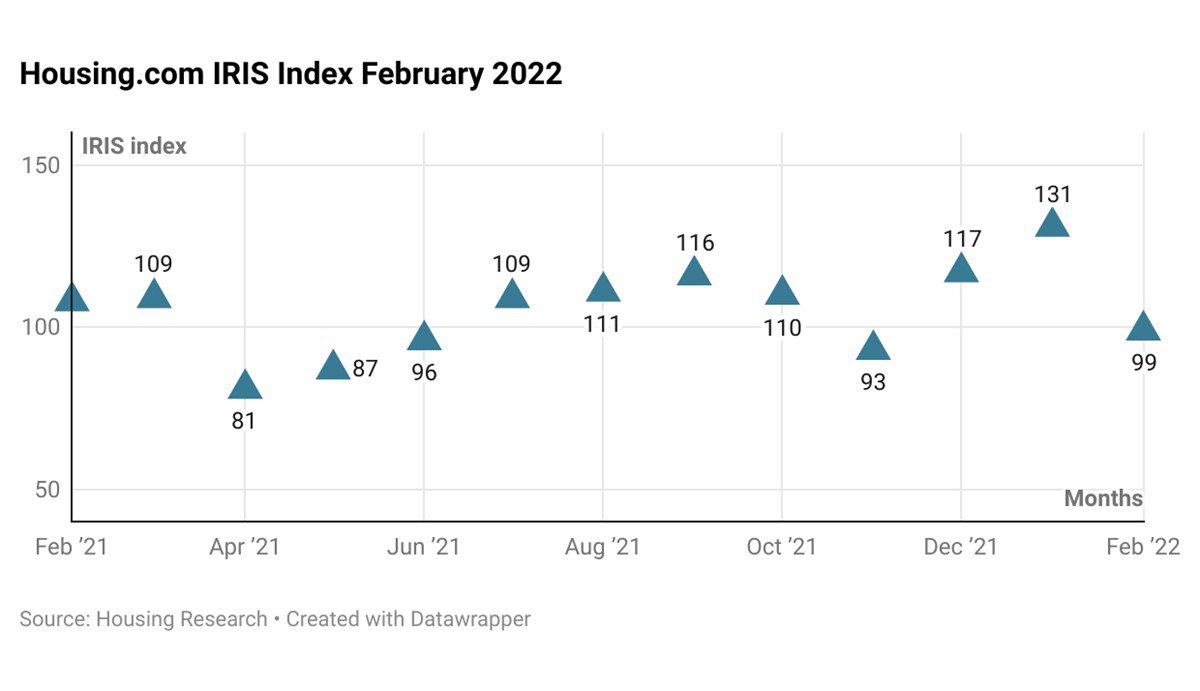
India’s residential real estate market has witnessed changing demand patterns over the past few years as buyer preferences, infrastructure growth, inflation, and economic conditions continue influencing property searches and investment activity. While online property searches remain active across major cities, recent trends indicate a moderation in search volumes compared to earlier peak periods.
The shift reflects evolving market conditions where buyers are becoming more selective, affordability concerns are increasing, and premium housing segments are witnessing changing demand dynamics.
Online Property Search Trends in India
Digital property platforms have become one of the primary ways for homebuyers and investors to search for:
- Apartments
- Residential plots
- Villas
- Commercial properties
- Rental homes
Online search activity is often viewed as an early indicator of real estate demand and buyer sentiment. A rise in searches generally signals stronger market interest, while moderation may indicate cautious buyer behavior.
Why Property Search Volumes are Moderating
Several economic and market factors are influencing buyer activity across India’s real estate sector.
Rising Property Prices
Property prices in many metro cities have increased significantly due to:
- Construction cost inflation
- Higher land prices
- Infrastructure expansion
- Premium project launches
As affordability becomes challenging for middle-income buyers, search volumes may slow in certain segments.
Inflation and Economic Uncertainty
Inflationary pressure and global economic uncertainty often affect buyer confidence. Consumers may delay property purchases while evaluating:
- Interest rates
- Job stability
- Household expenses
- Future income expectations
These factors can temporarily reduce active property searches.
Shift Toward Premium Housing
India’s real estate market has increasingly moved toward premium and luxury housing segments. Developers are focusing on:
- Luxury apartments
- Large-format homes
- Premium gated communities
However, higher ticket sizes can reduce overall transaction volumes even when property values continue rising.
Demand Still Strong in Key Metro Cities
Despite moderation in online searches, major Indian cities continue witnessing active housing demand, especially in infrastructure-driven corridors.
Popular regions include:
- Delhi-NCR
- Mumbai Metropolitan Region
- Bengaluru
- Hyderabad
- Pune
- Chennai
Buyers continue preferring locations with:
- Metro connectivity
- Expressway access
- Commercial growth
- Strong social infrastructure
Delhi-NCR Continues to Attract Buyers
Delhi-NCR remains one of India’s largest residential markets due to:
- Corporate expansion
- Infrastructure projects
- Expressway development
- Airport connectivity
- Emerging residential corridors
Popular micro-markets attracting search activity include:
- Gurgaon
- Noida
- Greater Noida
- Dwarka Expressway
- Golf Course Extension Road
Demand is particularly strong for 2 BHK and 3 BHK apartments in mid-premium segments.
Growing Interest in Tier-2 Cities
Several Tier-2 cities are witnessing increasing real estate interest due to:
- Smart city development
- Industrial growth
- Improved connectivity
- Lower property prices
Cities such as:
- Bhopal
- Ludhiana
- Indore
- Jaipur
- Lucknow
are gradually attracting both end-users and investors.
Changing Homebuyer Preferences
Modern homebuyers are prioritizing:
- Larger living spaces
- Work-from-home layouts
- Gated communities
- Green surroundings
- Lifestyle amenities
Demand for 3 BHK and larger homes has increased after hybrid work culture became more common.
Impact of Infrastructure Development
Infrastructure remains one of the strongest drivers of property demand in India. Major projects supporting real estate growth include:
- Metro rail expansion
- Expressways
- Regional airports
- Industrial corridors
- Smart city initiatives
Areas connected to large infrastructure projects often witness stronger search and investment activity.
Luxury Housing vs Affordable Housing
One major trend in recent years is the growing gap between luxury and affordable housing demand.
Luxury Housing
Premium housing continues attracting:
- High-income professionals
- NRIs
- Investors
- Business owners
Affordable Housing
Affordable housing demand remains constrained in some cities because of:
- Rising land costs
- Limited new supply
- Reduced affordability
Market analysts believe affordable housing may require stronger policy support to revive mass-market demand.
Unsold Inventory and Buyer Caution
In certain metro cities, rising inventory levels and slower absorption of premium units have created more cautious buyer behavior. Some reports indicate that buyers are spending more time evaluating:
- Project quality
- Developer reputation
- Pricing
- Connectivity
- Future appreciation potential
This selective approach can contribute to moderation in online search momentum.
Role of Interest Rates and Home Loans
Home loan rates directly affect residential demand because higher EMIs reduce affordability for middle-income buyers. Buyers closely monitor:
- RBI policy decisions
- Bank lending rates
- Loan eligibility
- EMI burden
Any future reduction in interest rates could potentially improve housing demand sentiment.
Technology and Digital Property Search
Digital real estate platforms continue transforming the property market by offering:
- Virtual property tours
- AI-based recommendations
- Online documentation
- Digital booking systems
- Property analytics
Online search behavior now plays an increasingly important role in understanding real estate demand patterns.
Investor Sentiment and Market Discussions
Online real estate discussions frequently show mixed opinions regarding current market conditions. Some investors believe infrastructure growth and urbanization will continue supporting property appreciation, while others feel affordability pressures and slowing absorption may moderate future growth.
Several discussions also highlight concerns about:
- Premium housing oversupply
- Slower IT sector growth
- Rising property prices
- Urban affordability challenges
At the same time, many buyers continue viewing real estate as a long-term asset class supported by India’s urban expansion.
Future Outlook for India’s Property Market
India’s real estate sector is expected to remain active due to:
- Urban population growth
- Infrastructure expansion
- Economic development
- Rising housing aspirations
However, future market performance may increasingly depend on:
- Housing affordability
- Job growth
- Interest rates
- Infrastructure execution
- Supply-demand balance
Industry experts believe mid-income housing and infrastructure-linked developments may become key drivers of future demand growth.