
Home › Articles › India Property Search Volume Eases in February Amid Market Caution
India Property Search Volume Eases in February Amid Market Caution
By PropertyGeld Editorial Team
Published on PropertyGeld:
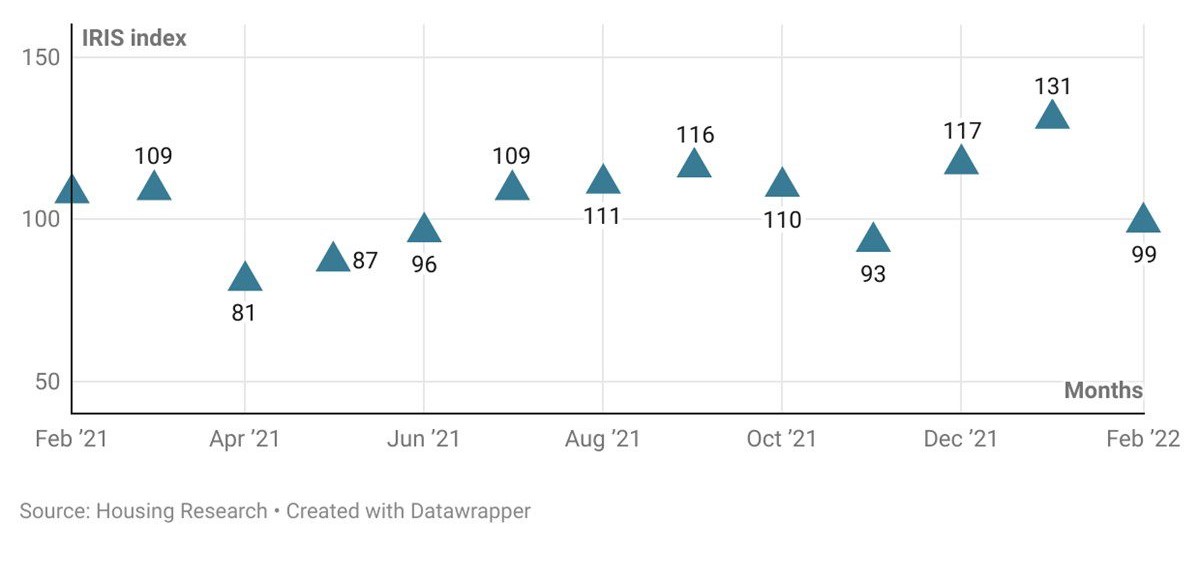
India’s online property search activity witnessed a slight slowdown in February after recording strong momentum in previous months. Rising inflation, increasing construction costs, and global economic uncertainty influenced buyer sentiment, leading to more cautious property searches across major cities. However, overall housing demand remained stable as homebuyers continued exploring residential properties for long-term investment and self-use.
Housing Demand Remains Stable Despite Slowdown
Although online search activity eased during February, the real estate market continued to show resilience compared to the sharp declines seen during earlier pandemic waves. Homebuyers remained active, particularly in the mid-income and premium housing segments.
The majority of buyers searched for:
- 2 BHK apartments
- 3 BHK apartments
- Affordable and mid-range homes
- Residential plots in developing areas
Demand for larger homes also remained strong due to hybrid work culture and changing lifestyle preferences.
Delhi-NCR Emerges as a Leading Real Estate Market
Delhi-NCR continued attracting significant property interest, especially in:
- Gurgaon
- Noida
- Greater Noida
- Faridabad
In Gurgaon, sectors along Golf Course Extension Road and Sohna Road witnessed strong buyer enquiries, particularly for premium apartments and gated communities. Buyers mainly preferred properties in the:
- ₹50 lakh to ₹1 crore segment
- ₹1 crore to ₹2 crore segment
Noida and Greater Noida also remained highly active due to better infrastructure, metro connectivity, and comparatively affordable property options.
Tier-2 Cities Gain Attention
Several Tier-2 cities witnessed rising online property interest due to infrastructure growth, smart city projects, and improving employment opportunities. Cities such as:
- Bhopal
- Ludhiana
- Indore
recorded increased residential demand and investor attention. Improved road connectivity, industrial development, and urban expansion are helping these cities emerge as growing real estate destinations.
Inflation and Rising Property Prices Impact Buyer Sentiment
The increase in steel, cement, and construction material prices contributed to higher property prices in several cities. Rising inflation and higher living costs also affected homebuyer confidence and slowed online property search activity temporarily.
At the same time:
- Home loan affordability concerns increased
- Buyers became more price-sensitive
- Developers focused more on premium housing segments
Despite these challenges, residential demand remained comparatively healthy in major urban markets.
Premium Housing Continues to Perform Well
Luxury and premium residential properties continued witnessing strong interest in metro cities. Developers increasingly focused on high-end projects due to stronger profitability and demand from:
- NRIs
- Business owners
- Corporate professionals
- Startup founders
- High-income buyers
This trend is especially visible in cities like Mumbai, Bengaluru, Gurgaon, Hyderabad, and Pune.
Infrastructure Development Supporting Real Estate Growth
Infrastructure projects remain one of the key drivers of residential demand across India. Metro expansion, expressways, airport development, and commercial growth corridors are improving connectivity and increasing property demand in both metro and Tier-2 cities.
Developing regions with strong infrastructure pipelines are expected to continue attracting:
- End-users
- Long-term investors
- Rental demand
- Residential development projects
Future Outlook for the Indian Housing Market
Industry experts believe that while short-term slowdowns may occur due to inflation and affordability concerns, India’s residential real estate market continues to show long-term growth potential. Urbanization, infrastructure expansion, and rising aspirations for home ownership are expected to sustain housing demand over the coming years.
Premium housing and well-connected urban corridors are likely to remain major growth drivers, while affordability challenges may continue affecting the mid-income segment.