
Home › Articles › HUDA City Centre to Cyber City Metro Corridor: Gurgaon’s Major Connectivity Upgrade
HUDA City Centre to Cyber City Metro Corridor: Gurgaon’s Major Connectivity Upgrade
By PropertyGeld Editorial Team
Published on PropertyGeld:
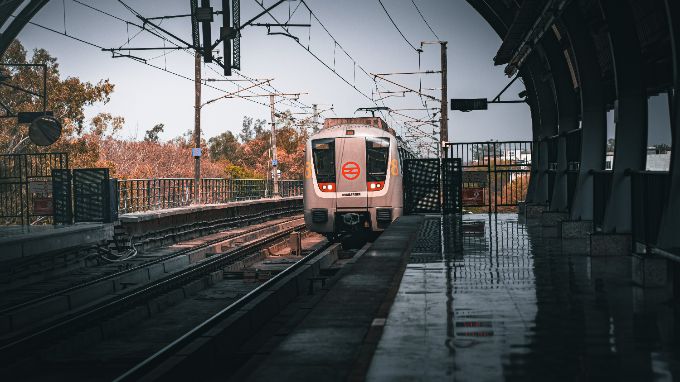
The proposed HUDA City Centre to Cyber City Metro corridor is one of the most significant urban transportation projects planned for Gurgaon. The metro expansion aims to improve connectivity between Old Gurgaon, New Gurgaon, commercial hubs, and major residential sectors while reducing traffic congestion across the city.
The project is expected to strengthen Gurgaon’s public transportation network and support long-term urban infrastructure growth.
Overview of the Metro Corridor
The metro corridor will connect HUDA City Centre (now known as Millennium City Centre) to Cyber City through a fully elevated metro route covering major residential, commercial, and industrial areas of Gurgaon.
The proposed network is planned to:
- Improve intra-city connectivity
- Reduce road traffic pressure
- Connect residential and commercial zones
- Support future urban expansion
- Improve public transport accessibility
The corridor has become an important infrastructure project for Gurgaon’s rapidly growing population and workforce.
Route Length and Metro Stations
The metro corridor is planned over approximately 28.5 kilometers with 27 stations across Gurgaon.
Major proposed stations include:
- HUDA City Centre
- Sector 45
- Cyber Park
- Sector 47
- Subhash Chowk
- Sector 48
- Hero Honda Chowk
- Sector 10
- Sector 37
- Basai Village
- Sector 5
- Palam Vihar
- Sector 22
- Udyog Vihar
- Cyber City
The project also includes a proposed spur connectivity toward Dwarka Expressway.
Connectivity Benefits
The metro line is expected to significantly improve travel across Gurgaon by connecting:
- Residential sectors
- Commercial business hubs
- Industrial zones
- Corporate offices
- Rapid Metro network
- Existing Delhi Metro connectivity
The project may reduce dependency on private vehicles and improve daily commuting for thousands of office workers and residents.
Integration with Existing Metro Network
The corridor will integrate with existing metro systems including:
- Delhi Metro Yellow Line
- Rapid Metro Gurgaon
- Future regional transit corridors
This integration is expected to create smoother intercity and intracity connectivity between Delhi and Gurgaon.
Importance for Cyber City and Corporate Hubs
Cyber City is one of Gurgaon’s largest commercial and employment hubs, housing:
- IT companies
- Corporate headquarters
- Business parks
- Commercial offices
- Hospitality infrastructure
Improved metro connectivity is expected to ease heavy traffic congestion in the Cyber City and Udyog Vihar regions, especially during peak office hours.
Real Estate Impact Across Gurgaon
Large-scale metro infrastructure projects often increase residential and commercial demand in nearby sectors. Areas along the proposed corridor are expected to witness:
- Rising property demand
- Improved rental activity
- Commercial growth
- Better investment interest
Metro connectivity is considered one of the strongest drivers of urban real estate appreciation in NCR markets.
Support for Old Gurgaon Development
One of the key advantages of the corridor is improved access to older parts of Gurgaon that previously lacked strong metro connectivity. The line is expected to better connect:
- Older residential sectors
- Local marketplaces
- Industrial pockets
- Mixed-use urban areas
This may help balance development between Old Gurgaon and newer corporate zones.
Reduced Traffic Congestion
Gurgaon faces severe road congestion because of:
- High private vehicle usage
- Rapid urban growth
- Office traffic
- Limited public transportation coverage
The metro corridor aims to provide an alternative transportation option that may reduce pressure on major roads such as:
- NH-48
- Sohna Road
- Golf Course Extension Road
- Internal Gurgaon roads
Construction and Infrastructure Challenges
Like many major urban infrastructure projects, the metro corridor faces several challenges including:
- Land acquisition
- Traffic management during construction
- Utility shifting
- Coordination between agencies
- Funding and approvals
Recent updates also mention discussions regarding alignment planning and additional spur connectivity.
Rising Public Demand for Better Metro Connectivity
Public discussions frequently highlight the growing need for stronger metro connectivity across Gurgaon and between Gurgaon and Dwarka. Many commuters believe direct metro expansion could significantly reduce travel time and dependence on road transport.
Online discussions also show frustration regarding repeated project delays and approval cycles over the years.
Economic and Urban Development Benefits
The metro project is expected to contribute to:
- Employment generation
- Commercial expansion
- Transit-oriented development
- Sustainable urban mobility
- Reduced pollution
Modern metro infrastructure often becomes a major catalyst for long-term economic and urban development.
Future Expansion Possibilities
Urban transportation planners are also exploring future transit integration possibilities involving:
- Dwarka connectivity
- Airport access
- Regional Rapid Transit System (RRTS)
- Expanded Gurgaon metro network
Future phases may further strengthen regional mobility across NCR.
Current Project Status
The metro expansion project has received multiple approvals over recent years, while construction planning and land acquisition activities continue progressing. Revised project costs and alignment updates have also been discussed as part of the latest infrastructure planning.
The project remains one of Gurgaon’s most anticipated transportation infrastructure developments.
Related articles
- HUDA City Centre to Cyber City Metro Corridor: Gurgaon’s Major Connectivity Upgrade
- New Gurgaon–Faridabad Metro Corridor to Drive Real Estate Growth in NCR
- HMRTC Proposes New Metro Corridor Connecting Faridabad and Gurgaon
- Residential Hotspots Near Cyber City, Gurgaon
- Gurgaon Metro, Rapid Metro & RRTS Connectivity Plan
- Top 5 Localities Near Yellow Metro Line in Gurgaon