
Home › Articles › Home Loan: A Leverage or a Liability? Understanding the Financial Impact
Home Loan: A Leverage or a Liability? Understanding the Financial Impact
By PropertyGeld Editorial Team
Published on PropertyGeld:
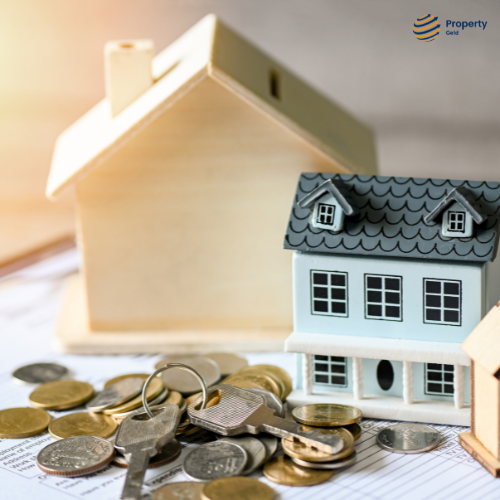
The real estate market in many countries, including India, operates within a loan-driven economy. However, few homebuyers consider whether a home loan is a financial leverage or a liability. Many are unaware of the difference between good and bad debt, leading to decisions that may impact their long-term financial stability.
A good debt helps generate returns that exceed the interest paid on the loan, making it a strategic financial move. A bad debt, on the other hand, costs more in interest than it earns, turning into a financial burden.
This article explores the critical factors that determine whether a home loan is an asset or a liability and how borrowers should assess their financial position before making a decision.
Is Buying a Home on Loan a Smart Decision?
The common question among homebuyers is whether they should purchase a property through a loan. However, most people already have a preconceived notion and merely seek expert validation.
Personal finance is not a one-size-fits-all solution. A home loan can be both a leverage and a liability, depending on the borrower’s financial standing. Generalized statements such as "property bought with borrowed money is always leverage" or "home appreciation is lower than interest paid" oversimplify a complex financial decision.
Case Study: Borrowing vs. Investing
To illustrate the difference, consider two borrowers with Rs 1 crore home loans at 8.5% interest, and an investor who has Rs 1 crore in assets earning 14% annual returns.
| Scenario | Borrower 1 (No Investments) | Borrower 2 (No Investments) | Investor (Rs 1 Crore Invested) |
|---|---|---|---|
| Loan Amount | Rs 1 crore | Rs 1 crore | Rs 1 crore (invested) |
| Interest Rate | 5% | 8.5% | 14% (returns) |
| Loan Tenure | 20 years | 20 years | 20 years |
| EMI Paid | Rs 86,782 | Rs 86,782 | N/A |
| Total Interest Paid | Rs 1.08 crore | Rs 1.08 crore | N/A |
| Total Amount Paid | Rs 2.08 crore | Rs 2.08 crore | Rs 13.74 crore returns – Rs 1.08 crore interest = Rs 12.66 crore profit |
The borrowers pay more than double the loan amount due to interest, whereas the investor significantly grows their capital.
This case highlights that a home loan is leverage only if the borrower has other income-generating assets. Otherwise, it remains a liability that can lead to financial distress.
Renting vs. Buying on Loan
Many financial experts suggest that renting the same home for 2-2.5% of its value annually while investing the remaining funds in high-yield assets can be a more profitable long-term strategy. With compounded returns, a person could potentially buy the same house without a loan in 10-15 years.
However, the psychological and cultural factor in India views homeownership as financial security, making the decision more than just a financial calculation.
Can a Home Loan Protect You in an Emergency?
A critical question for borrowers is whether their home loan can act as a financial buffer in emergencies.
For instance, if a medical emergency arises 4-5 years into homeownership, will the property be an asset or a burden?
- Selling the house in distress may lead to a lower-than-market price sale.
- Most initial EMI payments cover interest, not the principal, meaning minimal equity is built in the first few years.
- The borrower may still owe the bank more than the selling price, making the home loan a financial risk rather than security.
Who Should Take a Home Loan?
According to financial analysts, the ideal home loan borrower is someone who:
- Has a diversified financial portfolio that includes liquid assets like stocks, mutual funds, and gold.
- Can comfortably pay EMIs through passive income rather than solely relying on salary.
- Does not treat the home loan as their only financial asset.
However, 98% of urban salaried Indians lack substantial financial reserves, often living paycheck to paycheck. For such individuals, a home loan may become a long-term financial strain rather than an investment tool.
Financial Literacy and Home Loans
Many homebuyers do not fully understand home loan terms, leading to unexpected financial burdens. Common misconceptions include:
- Banks deduct interest first in EMI payments, leaving principal repayment for later years.
- Prepayment penalties can be as high as 6%, yet few borrowers negotiate these terms.
- Borrowers rarely compare loan tenure, floating vs. fixed interest rates, and additional charges, which can significantly impact the total loan cost.
Conclusion: Understanding the Risks of Home Loans
While home loans are among the most affordable financing options, their impact depends on individual financial planning. The decision to buy a property with a loan should not be based on cultural beliefs but on practical financial assessments.
- If backed by financial assets, a home loan can be leverage.
- If taken without financial security, it can be a debt trap.
For those just starting their financial journey, a home loan should be carefully evaluated to avoid long-term financial risks. Understanding loan structures, repayment strategies, and alternative investment options is key to making an informed decision.
Related articles
- Home Loan: A Leverage or a Liability? Understanding the Financial Impact
- Understanding Home Loan Top-Up: A Smart Financial Solution
- Understanding Home Loan Repayment: Methods, Tips, and Impact on CIBIL Score
- Understanding Credit Scores and Their Impact on Home Loan Approval
- Understanding the Impact of Repo Rate on Home Loans and Real Estate
- Understanding the KMP Expressway’s Impact on Real Estate Growth: A Detailed Overview