
Home › Articles › Gurgaon Circle Rate 2026: Area-Wise Rates, Calculation & Impact
Gurgaon Circle Rate 2026: Area-Wise Rates, Calculation & Impact
By PropertyGeld Editorial Team
Published on PropertyGeld:
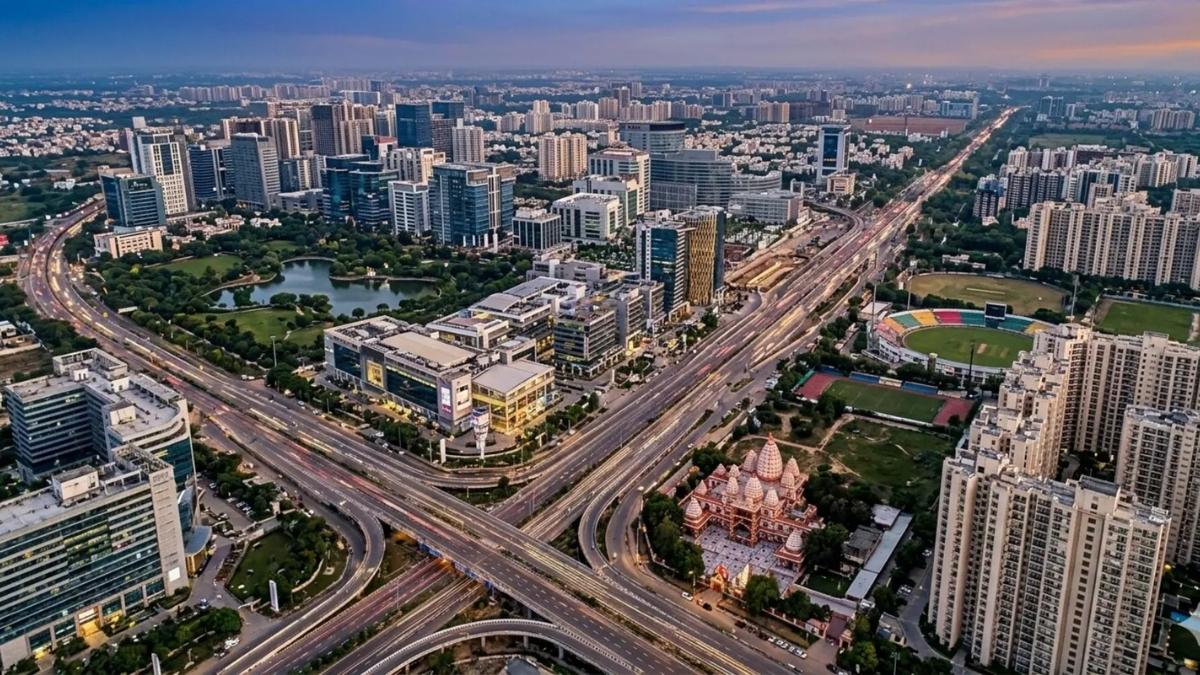
Circle rate in Gurgaon (also known as ready reckoner rate) is the minimum property value set by the government for property transactions. It is used to calculate stamp duty and registration charges and plays a key role in real estate pricing.
📍 What is Circle Rate in Gurgaon?
Circle rate is the minimum price at which a property can be registered. If you buy a property below this value, you still have to pay stamp duty based on the circle rate.
👉 It ensures transparency and prevents undervaluation in property transactions.
📊 Area-wise Gurgaon Circle Rates (Indicative)
Circle rates in Gurgaon vary depending on location, sector, and property type:
- Prime areas (Golf Course Road, DLF phases): Higher rates
- Mid-range sectors: Moderate rates
- Developing areas (Dwarka Expressway, New Gurgaon): Lower rates
👉 Rates are revised periodically by the Haryana government.
🧮 How to Calculate Property Value Using Circle Rate
Property value is calculated as:
👉 Circle Rate × Property Area = Minimum Property Value
Example:
- Circle rate = ₹50,000/sq. yard
- Area = 100 sq. yards
- Value = ₹50,00,000
Stamp duty will be calculated on this amount or actual transaction value (whichever is higher).
💰 Stamp Duty & Registration Charges
In Gurgaon, stamp duty depends on buyer category:
- Men: ~7%
- Women: ~5%
- Joint ownership: ~6%
Registration charges are usually around 1% of property value.
📈 Impact on Real Estate
✔️ Positive Impact
- Prevents black money transactions
- Ensures fair property valuation
- Improves government revenue
⚠️ Negative Impact
- High circle rates can reduce affordability
- May slow down transactions in some areas
🏙️ Factors Affecting Circle Rates
- Location (prime vs developing area)
- Infrastructure (metro, expressways)
- Property type (plot, flat, commercial)
- Market demand and supply
🏁 Conclusion
👉 Simple samajh lo:
Circle rate = minimum property price decided by government
- Buyer → stamp duty calculation
- Seller → minimum registration value
- Market → pricing benchmark
Related articles
- Gurgaon Circle Rate 2026: Area-Wise Rates, Calculation & Impact
- Proposed Increase in Circle Rates Likely to Impact Gurgaon Property Market
- Circle Rate in Suncity Gurgaon: Latest Property Rates, Charges & Calculation Guide
- Circle Rate in Okhla Delhi: Latest Property Rates, Charges & Calculation Guide
- Latest Circle Rates in Gurgaon 2026-27: Complete Guide
- Gurgaon Circle Rates: A Complete Guide for Property Buyers and Investors