
Home › Articles › Delhi Metro Rail Corporation (DMRC): Overview, Role and Importance
Delhi Metro Rail Corporation (DMRC): Overview, Role and Importance
By PropertyGeld Editorial Team
Published on PropertyGeld:
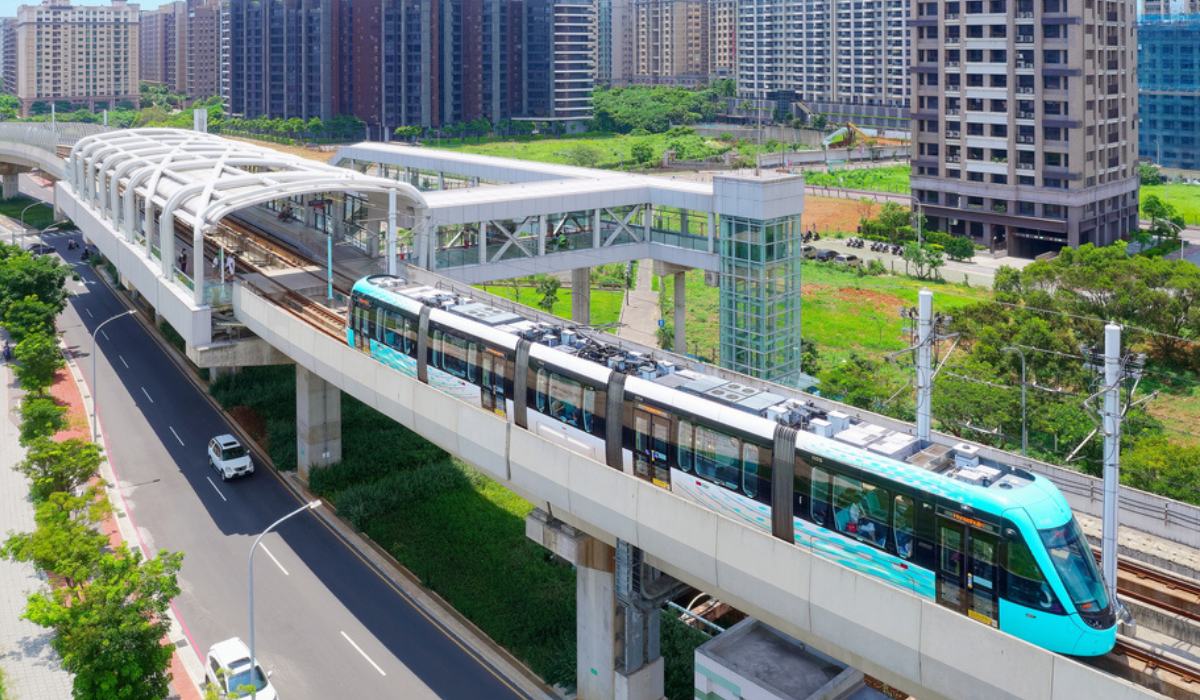
The Delhi Metro Rail Corporation is a government-owned organization responsible for building, operating, and maintaining the metro rail network in Delhi and surrounding regions. It has played a key role in transforming urban transportation in India by introducing a fast, reliable, and eco-friendly transit system.
What is DMRC?
Established in 1995, DMRC is a joint venture between the Government of India and the Government of Delhi. Its primary objective was to develop a modern mass rapid transit system to address the growing transportation needs of the National Capital Region (NCR).
Today, DMRC manages one of the largest metro networks in India, connecting major cities like Delhi, Noida, Gurgaon, Ghaziabad, and Faridabad.
Key Functions of DMRC
DMRC performs multiple roles beyond just running metro trains:
- Construction and Expansion: Planning and building new metro corridors
- Operations: Managing daily train services and passenger safety
- Maintenance: Ensuring smooth functioning of infrastructure and trains
- Consultancy Services: Providing expertise for metro projects across India and internationally
It has also contributed to the development of metro systems in cities like Jaipur, Kochi, and Lucknow.
Impact on Urban Transportation
The introduction of the Delhi Metro has significantly improved daily commuting by reducing travel time and traffic congestion. It offers a comfortable and efficient alternative to road transport, benefiting millions of passengers every day.
Additionally, the metro system has helped reduce pollution levels by encouraging the use of public transport instead of private vehicles.
Technological and Environmental Initiatives
DMRC is known for adopting advanced technologies and sustainable practices, including:
- Energy-efficient trains and stations
- Rainwater harvesting systems
- Carbon credit initiatives for reducing emissions
- Smart ticketing and digital payment options
These initiatives have made it a model for sustainable urban transport systems worldwide.
Expansion and Future Developments
The metro network continues to expand through multiple phases, connecting more residential and commercial areas. Upcoming projects and extensions aim to improve last-mile connectivity and make commuting even more convenient.
Recent initiatives also include enhancing last-mile transport options such as bike taxis and cab services at metro stations to improve accessibility.
Conclusion
The Delhi Metro Rail Corporation has revolutionized public transportation in Delhi-NCR. With continuous expansion, advanced technology, and a focus on sustainability, it remains a cornerstone of urban mobility in India. Its success has also inspired similar metro projects across the country, making it a benchmark in infrastructure development.
Related articles
- Delhi Metro Rail Corporation (DMRC): Overview, Role and Importance
- Delhi Metro Rail Corporation Golden Line (Silver Line): Route, Stations & Latest Construction Update
- DMRC to Extend Delhi Metro Red Line from Narela to Kundli: Route, Stations & Impact
- Indian Railways to Introduce Vande Bharat Metro Trains
- Tughlakabad Metro Station: Complete Guide, Connectivity & Importance
- Nearest Metro Station to Nizamuddin Railway Station: Route, Distance & Travel Guide