
Home › Articles › Delhi-Dausa Expressway: Route, Connectivity and Real Estate Growth Corridor
Delhi-Dausa Expressway: Route, Connectivity and Real Estate Growth Corridor
By PropertyGeld Editorial Team
Published on PropertyGeld:
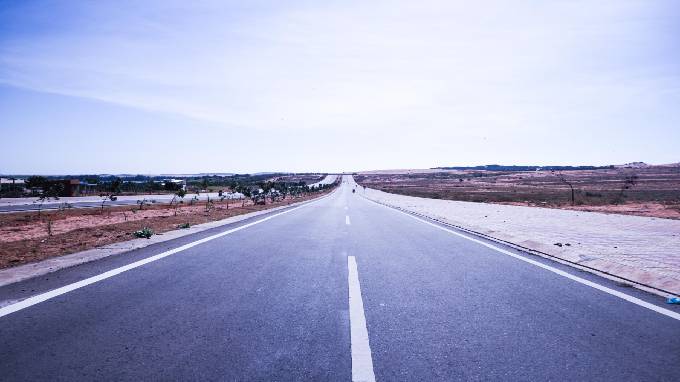
The Delhi-Dausa Expressway has become one of the most important highway infrastructure projects improving connectivity between Delhi-NCR and Rajasthan. The expressway is part of the larger Delhi-Mumbai Expressway network and is expected to significantly reduce travel time while boosting regional development, tourism, logistics, and real estate activity across multiple cities and towns.
The corridor is transforming transportation infrastructure by creating faster and smoother access between Delhi and Rajasthan’s growing urban regions.
What is the Delhi-Dausa Expressway?
The Delhi-Dausa Expressway is a high-speed access-controlled highway connecting Delhi with Dausa district in Rajasthan. It forms an important section of the Delhi-Mumbai Expressway project, which is one of India’s largest expressway developments.
The project was developed to:
- Improve interstate road connectivity
- Reduce traffic congestion
- Support industrial and logistics growth
- Enhance tourism access
- Improve freight transportation efficiency
The expressway is designed for high-speed travel with modern road infrastructure and controlled entry-exit systems.
Route and Major Areas Connected
The expressway improves connectivity between Delhi-NCR and several important regions of Rajasthan. Major connected locations include:
- Delhi
- Gurugram
- Sohna
- Alwar region
- Dausa
- Jaipur connectivity corridor
The highway also connects with important national highways and future infrastructure corridors, improving regional transportation networks.
Reduced Travel Time
One of the biggest advantages of the expressway is the major reduction in travel time between Delhi and Rajasthan regions. Faster road connectivity is helping:
- Daily commuters
- Business travelers
- Logistics operators
- Tourists
- Commercial transportation services
Improved highway infrastructure allows smoother vehicle movement with reduced traffic congestion compared to older highway routes.
Impact on Real Estate Development
The Delhi-Dausa corridor is rapidly attracting real estate investment because infrastructure development often increases land demand and urban expansion around highway networks.
Areas near the expressway are witnessing:
- Residential township development
- Industrial land demand
- Warehousing growth
- Commercial projects
- Hospitality investments
Developers and investors are increasingly focusing on locations that offer direct expressway connectivity and long-term growth potential.
Sohna and South Gurgaon Growth
Sohna and nearby South Gurgaon regions are among the major beneficiaries of the expressway corridor. These areas are experiencing:
- Improved road access
- Faster connectivity to Delhi
- Expansion of residential projects
- Rising land prices
- Increased commercial activity
Affordable and mid-range housing projects are particularly gaining attention from buyers looking for future appreciation opportunities.
Boost to Rajasthan Connectivity
The expressway is also improving accessibility to Rajasthan’s tourism and economic regions. Better connectivity benefits:
- Tourism travel
- Hotel industry growth
- Industrial transportation
- Agricultural trade
- Regional businesses
Cities connected through improved highway infrastructure may witness increased economic activity over the coming years.
Industrial and Logistics Expansion
Modern expressways often create strong demand for logistics and industrial infrastructure. The Delhi-Dausa route is expected to support:
- Warehousing parks
- Industrial corridors
- Distribution hubs
- Transportation businesses
- Manufacturing growth
Faster freight movement can reduce operational costs for businesses and improve supply chain efficiency.
Modern Highway Infrastructure
The expressway has been designed with modern transportation standards including:
- Multi-lane carriageways
- Access-controlled movement
- Safety infrastructure
- Service roads
- Interchanges and bypass systems
These features improve both traffic management and long-distance driving efficiency.
Rising Demand for Highway-Connected Properties
Properties located near major expressways are increasingly attracting:
- Long-term investors
- Residential buyers
- Industrial developers
- Commercial businesses
Improved connectivity often increases the attractiveness of peripheral regions that were previously considered less accessible.
Environmental and Urban Planning Considerations
Large infrastructure projects also bring discussions around:
- Land acquisition
- Environmental sustainability
- Urban planning
- Traffic management
- Ecological balance
Experts emphasize the need for planned urban development around emerging expressway corridors to avoid unregulated expansion.
Tourism and Economic Benefits
The Delhi-Dausa Expressway is expected to strengthen tourism movement toward Rajasthan by improving road accessibility for travelers visiting:
- Jaipur
- Heritage destinations
- Wildlife tourism areas
- Cultural attractions
Better road infrastructure can support hospitality businesses and tourism-related economic growth.
Future Infrastructure Growth Along the Corridor
The regions connected through the expressway are expected to witness:
- Urban expansion
- Smart township development
- Commercial infrastructure growth
- New industrial investments
- Better civic infrastructure
The integration of the corridor with the larger Delhi-Mumbai Expressway network may further increase development opportunities across connected regions.
Long-Term Investment Potential
Infrastructure-led development corridors often become long-term investment hotspots because of:
- Increasing land demand
- Transportation advantages
- Urban migration
- Commercial activity growth
- Future infrastructure upgrades
Many investors are closely monitoring emerging locations along the expressway for residential and industrial investment opportunities.
Future Outlook
The Delhi-Dausa Expressway is expected to become a major transportation and development corridor connecting Delhi-NCR with Rajasthan’s growing urban regions. Improved connectivity, logistics growth, tourism expansion, and rising real estate activity are likely to continue shaping the economic importance of the corridor over the coming years.
The project highlights how modern expressway infrastructure can transform regional mobility and support large-scale urban and economic development.
Related articles
- Delhi-Dausa Expressway: Route, Connectivity and Real Estate Growth Corridor
- KMP Expressway: Route, Connectivity, Benefits and Real Estate Growth
- Noida–Greater Noida Expressway: Route, Connectivity & Real Estate Growth
- Delhi-Mumbai Expressway: Transforming Connectivity & Real Estate Growth
- Dwarka Expressway: Transforming Delhi-Gurgaon Connectivity and Real Estate Growth
- Delhi Metro Magenta Line: Route, Stations, Connectivity & Real Estate Impact