
Home › Articles › What Is a Builder Floor? Meaning, Benefits, Drawbacks, and Investment Potential
What Is a Builder Floor? Meaning, Benefits, Drawbacks, and Investment Potential
By PropertyGeld Editorial Team
Published on PropertyGeld:
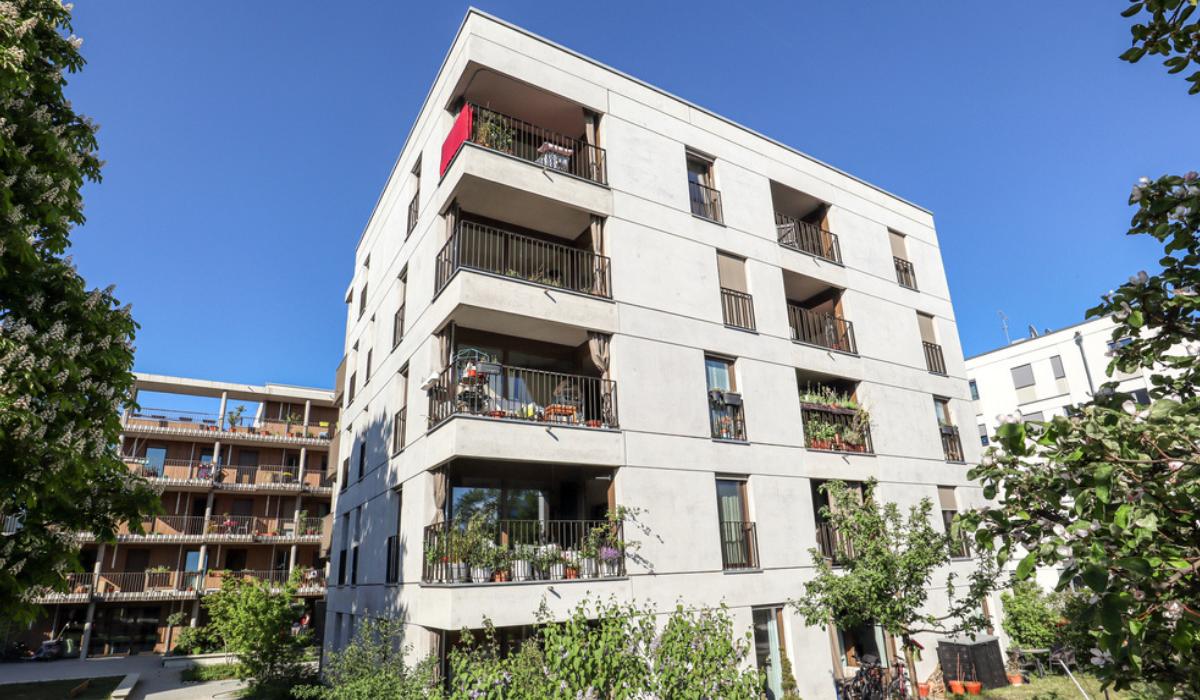
The Indian residential real estate market offers various housing options, including apartments, independent houses, villas, and builder floors. Among these, builder floors have gained significant popularity in metropolitan cities such as Delhi, Gurgaon, Noida, Faridabad, and Hyderabad due to the privacy and spacious living they offer.
What Is a Builder Floor?
A builder floor is a low-rise residential property where each floor is designed and sold as an independent housing unit. Typically, a builder floor building consists of Ground + 3 or Stilt + 3 floors, with each floor owned by a different buyer.
Unlike apartments in high-rise societies, builder floors provide greater privacy because a single family occupies an entire floor. They offer a balance between the independence of a standalone house and the convenience of an apartment.
How Does a Builder Floor Work?
Builder floors are usually developed by private builders or landowners who construct multiple independent units on a residential plot. Each floor is sold separately and may include amenities such as dedicated parking spaces, elevators, balconies, and terrace access, depending on the project specifications.
In many urban areas, older independent houses are redeveloped into builder floor projects to maximize land utilization and accommodate growing housing demand.
Key Features of a Builder Floor
- Independent ownership of an entire floor
- Lower population density compared to apartment complexes
- Larger carpet area and spacious layouts
- Better privacy and reduced noise levels
- Dedicated parking facilities in many projects
- Greater flexibility for interior modifications
Advantages of Buying a Builder Floor
1. Enhanced Privacy
One of the biggest advantages of a builder floor is privacy. Since each floor is occupied by a single family, residents enjoy a quieter and more exclusive living environment.
2. Spacious Living Areas
Builder floors generally offer larger rooms, wider balconies, and better ventilation than conventional apartments. The lower density of residents also contributes to a more comfortable lifestyle.
3. Prime Urban Locations
Many builder floor developments are located in established residential neighborhoods with easy access to schools, hospitals, shopping centers, and business districts.
4. Greater Customization Freedom
Owners often have more flexibility to renovate interiors, redesign spaces, or make structural modifications within permissible limits, unlike many apartment societies that impose restrictions.
5. Better Natural Light and Ventilation
With fewer units in the building, builder floors typically receive more sunlight and cross-ventilation, improving overall living conditions.
6. Strong Resale Demand
Builder floors in prime locations often maintain strong resale value due to their combination of privacy, location advantages, and independent ownership.
Disadvantages of Builder Floors
1. Limited Community Amenities
Unlike large apartment complexes, builder floors may not offer facilities such as swimming pools, clubhouses, gyms, landscaped gardens, or sports courts.
2. Maintenance Responsibility
Maintenance of common areas, lifts, parking spaces, and building infrastructure is often managed by residents themselves, which can sometimes create coordination challenges.
3. Security Concerns
Many builder floor projects do not have gated security systems or professional security staff, making security arrangements dependent on residents.
4. Parking and Common Area Disputes
In some cases, disagreements may arise regarding parking allocations, terrace rights, or maintenance responsibilities among floor owners.
5. Legal Verification Is Essential
Buyers must carefully verify ownership documents, approved building plans, completion certificates, and local authority approvals before purchasing a builder floor.
Builder Floor vs Apartment
| Feature | Builder Floor | Apartment |
|---|---|---|
| Privacy | High | Moderate |
| Population Density | Low | High |
| Living Space | Larger | Usually Smaller |
| Amenities | Limited | Extensive |
| Maintenance | Self-Managed | Professionally Managed |
| Customization | High | Limited |
| Community Living | Less | More |
Factors to Consider Before Buying a Builder Floor
Before investing in a builder floor, buyers should evaluate:
- Property title and ownership records
- Building approval and sanction plans
- Construction quality
- Availability of parking
- Water and electricity connections
- Lift installation and maintenance arrangements
- Security provisions
- Future resale potential
- Location and infrastructure development
Is a Builder Floor a Good Investment?
A builder floor can be an excellent investment for homebuyers seeking privacy, spacious living, and prime urban locations. It is particularly suitable for families who prefer an independent living experience without the high cost of purchasing a standalone house.
From an investment perspective, builder floors in well-developed areas often experience steady appreciation due to limited supply and consistent demand. However, investors should conduct thorough legal and technical due diligence before making a purchase.
Conclusion
Builder floors have emerged as a preferred housing option for buyers looking for a blend of privacy, comfort, and convenience. They provide more space and independence than traditional apartments while remaining more affordable than independent villas or bungalows. By carefully assessing legal documents, construction quality, and location advantages, buyers can make a well-informed investment decision and enjoy the benefits of modern urban living.