
Home › Articles › The Growing Significance of Redevelopment in Real Estate
The Growing Significance of Redevelopment in Real Estate
By PropertyGeld Editorial Team
Published on PropertyGeld:
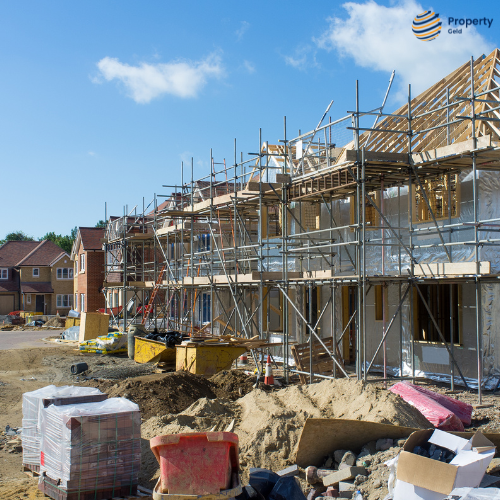
Redevelopment has become a key trend in urban real estate, transforming aging infrastructure into modern, sustainable residential and commercial spaces. Across India, older buildings are being remodeled, revitalizing entire communities while enhancing living standards and investment potential. With limited land availability and aging infrastructure, redevelopment presents a unique opportunity for urban growth. The government’s push for urban renewal initiatives further highlights the need for well-planned redevelopment projects that cater to modern living requirements.
Challenges in Redevelopment Projects
While reconstructing older buildings is highly beneficial, the process is complex and involves multiple policies, legal regulations, and approvals. Real estate developers often face delays, leading to rising project costs. Some of the key challenges include:
Managing Stakeholder Expectations
Redevelopment involves multiple stakeholders, including residents, developers, and authorities, each with different concerns. Issues such as property rights, relocation terms, and project timelines can lead to conflicts. Developers must prioritize transparency and trust-building to streamline negotiations and maintain smooth operations.
Financial Risks and Rising Costs
Redevelopment projects are prone to escalating costs due to factors such as land acquisition, rising material prices, and regulatory fees. Delays in approvals further increase financial risks. Consequently, this can lead to higher property prices, making redeveloped homes less affordable for middle-income buyers, thereby undermining the goal of inclusive housing.
Strain on Urban Infrastructure
Converting older low-rise buildings into high-rise towers puts additional pressure on existing infrastructure, including water supply, sewage systems, and road networks. Many city infrastructures were not designed for high-density populations, leading to water shortages, traffic congestion, and sanitation challenges. To prevent urban strain, redevelopment must be aligned with infrastructure upgrades.
Solutions for Effective Redevelopment
To maximize the potential of redevelopment, a well-planned approach is necessary. Some key strategies include:
- Simplifying Approval Processes: Introducing a single-window clearance system can reduce bureaucratic delays and encourage more developers to participate.
- Enhancing Urban Planning: Investments in roads, water supply, and waste management systems should align with redevelopment projects to ensure cities can support growing populations.
- Sustainable Development: Implementing eco-friendly housing solutions such as solar panels, rainwater harvesting, and climate-responsive architecture can reduce environmental impact and promote self-sufficient communities.
- Affordable Housing Initiatives: Ensuring cost-effective redevelopment models will help make newly developed homes accessible to middle-income families, preserving the goal of inclusive urban communities.
The Future of Redevelopment in India
While redevelopment presents significant challenges, India’s urban transformation initiatives indicate a promising future. With coordinated regulatory reforms, infrastructure investments, and financial incentives, redevelopment has the potential to reshape Indian cities into efficient, sustainable, and livable spaces.
Though the road to large-scale redevelopment is complex, strategic planning and collaboration between government bodies, developers, and stakeholders can ensure that Indian cities evolve into thriving urban hubs for future generations.