
Home › Articles › Textile Industries in Faridabad
Textile Industries in Faridabad
By PropertyGeld Editorial Team
Published on PropertyGeld:
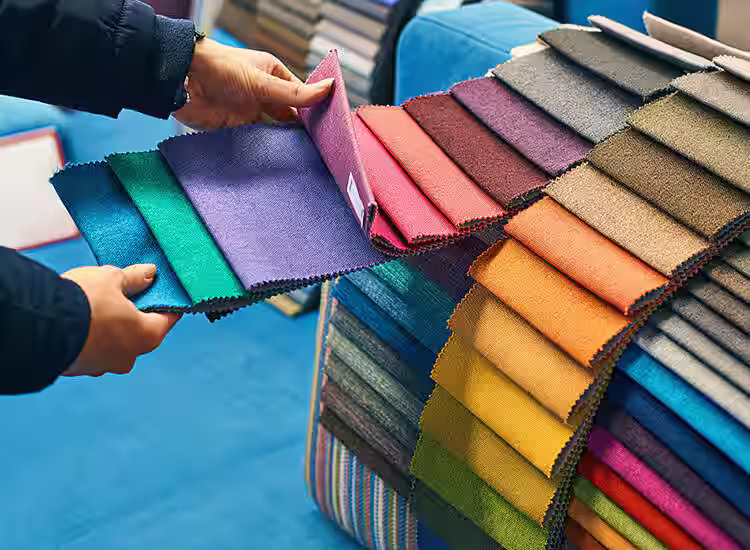
Faridabad, located in Haryana, has a long-standing industrial legacy dating back to the 17th century, when it functioned as a trading centre for agricultural produce and leather goods. Over time, the city has evolved into one of the most important industrial destinations in the National Capital Region (NCR). Among its diverse manufacturing sectors, the textile industry has emerged as a key contributor to Faridabad’s economic growth and industrial identity.
This article explores the textile sector’s presence in Faridabad, its influence on the local economy, its interaction with the city’s real estate market, and an overview of leading textile companies that drive industrial development in the region.
Industrial and Business Environment in Faridabad
Faridabad’s strategic location within the NCR gives it a significant advantage for industrial expansion. Its proximity to Delhi, well-developed transportation network, established industrial zones, and access to a skilled workforce make the city highly attractive for manufacturing activities. Within this favourable ecosystem, the textile industry has witnessed consistent growth.
The textile sector in Faridabad covers a wide range of activities, including spinning, weaving, garment manufacturing, and textile machinery production. Easy availability of raw materials, skilled labour, and access to domestic and export markets have positioned Faridabad as a strong textile manufacturing base. Industrial estates and robust logistics infrastructure further support the sector’s steady expansion.
Leading Textile Companies in Faridabad
Oswal Spinning and Weaving Mills
Founded in 1949, Oswal Spinning and Weaving Mills is one of the city’s oldest textile manufacturers. The company specialises in cotton yarn production and supplies to both Indian and overseas markets. It is also known for exporting premium-quality blankets that meet international standards, making it a significant contributor to India’s textile exports.
Jindal Worldwide
Established in 1986, Jindal Worldwide is a major textile manufacturer with expertise in spinning and yarn production. The company is among India’s leading denim producers and is also involved in shirt fabrics, yarn dyeing, and home textiles. Its focus on quality manufacturing and sustainable practices has strengthened its reputation across domestic and global markets.
Bharat Jute & Industries
Founded in 1984, Bharat Jute & Industries manufactures a wide variety of jute-based products, including jute bags, yarn, carpets, hessian cloth, and woven sacks. The company caters to a diverse customer base and actively promotes eco-friendly and sustainable production methods.
Hi-Tech Apparel
Hi-Tech Apparel, established in 1990, is a well-known garment manufacturing company in Faridabad. It produces a broad range of apparel, including sportswear and seasonal fashion garments for men and women. The company plays an important role in employment generation and economic activity in the city.
Lakshmi Precision Screws
Founded in 1988, Lakshmi Precision Screws manufactures specialised machinery components used in textile processing. Its product range includes precision screws for carding, combing, drawing, twisting, and other textile operations, supporting technological advancement within the industry.
R.S. Textile Corporation
Since its establishment in 1973, R.S. Textile Corporation has built a strong reputation in spinning and yarn manufacturing. The company produces cotton, blended, and polyester yarns, along with a wide variety of fabrics, supplying clients across multiple sectors.
Ritika
Ritika, founded in 1987, is known for its diversified textile offerings catering to industrial, automotive, and fashion segments. The company is particularly recognised for its home textile range, including bed linens, towels, curtains, and cushion covers, produced with a focus on innovation and sustainability.
Kirloskar Electric
Established in 1946, Kirloskar Electric manufactures electrical equipment and machinery used in textile processing and other industries. The company supports automation and efficiency improvements in textile manufacturing while also serving the power and infrastructure sectors.
Gupta Exim India
Founded in 1982, Gupta Exim India is engaged in textile manufacturing and exports. Its product portfolio includes knitted fabrics, garments, home textiles, and industrial textiles. The company serves both domestic and international markets and places strong emphasis on quality and sustainable operations.
Shahi Exports
Established in 1974, Shahi Exports has grown into India’s largest apparel manufacturing company. Operating dozens of factories across multiple states, the organisation employs a large workforce and focuses on design-driven innovation, vertically integrated manufacturing, and responsible social and environmental practices.
Voith Paper Fabrics India
Since 1968, Voith Paper Fabrics India has specialised in technical textiles used in paper and fibre-cement industries. The company manufactures high-performance machine clothing and textile processing felts and is recognised for supplying a complete range of solutions to paper manufacturers.
Genus Apparels
Founded in 2003, Genus Apparels is a hi-fashion knitwear manufacturer and exporter. The company focuses on advanced garment design and technology-driven manufacturing, producing a large volume of knitted garments every month for global clients.
Pee Empro Exports
Established in 1981, Pee Empro Exports is a vertically integrated woven garment manufacturer. With in-house fabric processing, printing, dyeing, and embroidery facilities, the company ensures quality control throughout the production cycle and serves international buyers.
STL Global
Founded in 1997, STL Global operates a composite textile manufacturing setup and is active in exports. The company also provides textile processing and value-added services for major exporters, strengthening its position in the global supply chain.
Influence of the Textile Industry on Commercial Real Estate
The expansion of textile manufacturing in Faridabad has directly impacted the city’s commercial real estate market. Growing textile businesses require office spaces for administration, design, logistics, and marketing functions, driving demand for commercial buildings and business parks.
In addition, the increasing workforce employed in textile factories has boosted demand for rental housing, leading to improved rental yields and rising property values. Developers are also focusing on mixed-use developments that integrate residential, commercial, and retail spaces to meet the needs of industrial professionals and residents alike.
Overall Impact of the Textile Industry on Faridabad
The textile sector plays a vital role in Faridabad’s economic development by generating employment, contributing to tax revenues, and supporting local livelihoods. It has helped diversify the city’s industrial base beyond traditional sectors and encouraged the development of specialised skills among workers.
Textile machinery manufacturers have driven technological innovation, while industry-led infrastructure investments have improved roads, transport systems, and industrial estates. Several companies are also adopting environmentally responsible practices, aligning with global sustainability standards. Moreover, the strong export presence of Faridabad-based textile firms has enhanced the city’s recognition in international markets.