
Home › Articles › Tenant Rights When a Landlord Sells the Property Mid-Lease
Tenant Rights When a Landlord Sells the Property Mid-Lease
By PropertyGeld Editorial Team
Published on PropertyGeld:
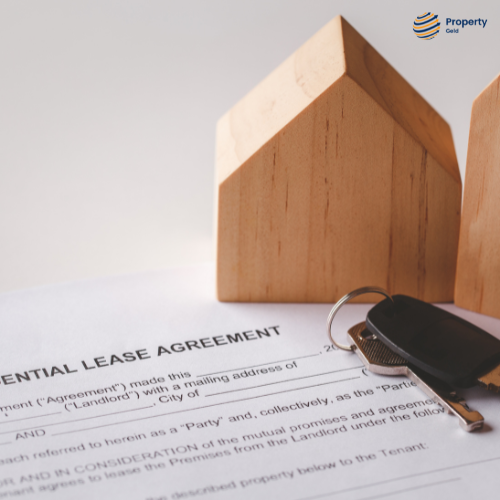
Imagine signing an 11-month rental agreement, only to find out that the property is being sold six months into your stay. Does this mean you have to vacate immediately? While landlords have the right to sell their properties at any time, an active lease comes with legal protections for tenants. Understanding your rights can help prevent disputes and ensure a smooth transition if such a situation arises.
What Happens If a Landlord Sells a Rented Property?
Selling a property is a lengthy process involving property listings, paperwork, and financial approvals. During this time, tenants should be aware of their legal rights and what to expect from their landlord.
1. Right to Clear Communication
Although there is no law requiring landlords to consult tenants before selling a property, transparent communication can help avoid last-minute disruptions.
Pro Tip: Before signing a rental agreement, ask the landlord about potential property sale plans to avoid surprises.
2. Notice Period Requirement
Rental agreements typically include a notice period clause, requiring tenants to notify the landlord before breaking the lease. The same rule applies to landlords—if they decide to sell, they must provide tenants with a reasonable notice period, usually one to two months, to allow sufficient time to find alternative housing.
3. Right to Continue the Lease
A change in ownership does not automatically terminate a lease. Tenants have the right to stay until the end of the lease period, even if the property is sold. In many cases:
- If the new owner is an investor, they may continue renting the property, making it a win-win situation for both parties.
- If the new owner plans to use the property, they may need to wait until the lease expires before moving in.
4. Security Deposit Refund
If the landlord terminates the lease early, tenants are entitled to a full security deposit refund. If the tenant continues living in the property under the new owner, they should ensure that an updated rental agreement is signed, reflecting the new ownership details.
5. Lease Termination Compensation
While there are no strict laws mandating compensation for early lease termination, tenants can negotiate for compensation if they are forced to vacate. Possible requests include:
- One month’s rent compensation for sudden relocation.
- Moving or relocation expenses covered by the landlord.
Protecting Tenant Rights
If a landlord forces eviction due to a property sale, tenants have the right to:
- Reject property viewings if not informed in advance.
- File legal complaints if forced eviction occurs before the lease expires.
- Seek mediation to reach a mutual agreement rather than engaging in legal disputes.
Final Thoughts
A property sale does not mean immediate eviction for tenants. Understanding your rights, maintaining clear communication, and negotiating fair terms can help ensure a hassle-free transition. If you find yourself in this situation, it’s best to discuss terms with both the existing and new landlords to protect your financial and residential interests.