
Home › Articles › Sustainable Building Materials: A Guide to Eco-Friendly Construction
Sustainable Building Materials: A Guide to Eco-Friendly Construction
By PropertyGeld Editorial Team
Published on PropertyGeld:
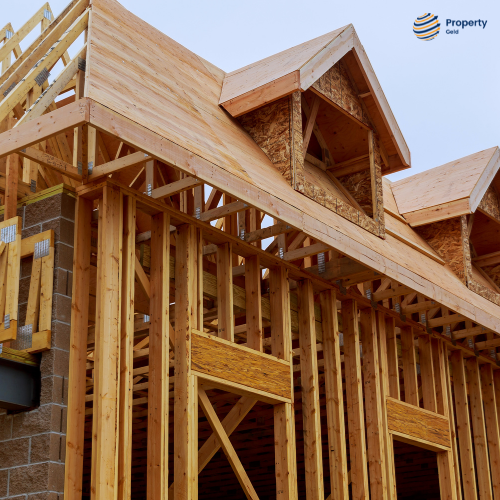
Sustainability is now a crucial factor in real estate development, influencing eco-friendly construction and energy-efficient designs. The construction industry is a major consumer of natural resources, increasing the need to adopt environmentally responsible strategies. The use of sustainable building materials can help reduce carbon footprints, enhance durability, and minimize maintenance costs. If you're planning to construct a house, here’s a guide to sustainable materials that contribute to green living and long-term savings.
What Are Sustainable Building Materials?
Sustainable materials are those derived from renewable resources that can be reused or recycled. Some of their key characteristics include:
- Durability
- Energy efficiency
- Low maintenance requirements
- Cost-effectiveness
- Minimal carbon footprint
- Low wastage
- Non-toxic composition
These features make them an ideal choice for environmentally conscious construction.
Eco-Friendly Alternatives to Concrete
Traditional concrete production is a major contributor to carbon emissions. However, alternative materials can significantly reduce environmental impact:
- Aerated Concrete – Lightweight and fire-resistant, it improves insulation and reduces energy consumption.
- Compressed Earth Blocks – Made from natural soil, these blocks offer durability and high thermal efficiency.
- Recycled Plastic Waste – Reusing plastic waste in concrete reduces landfill pollution and provides a strong alternative.
- Aggregate Replacement – Conventional aggregates (sand and gravel) in concrete can be substituted with glass, plastic, rubber, paper, or fly ash clay, promoting sustainable construction.
Eco-Friendly Roofing Materials
A quality roofing material ensures protection from harsh weather conditions while improving energy efficiency. Sustainable roofing options include:
- Metal Roofs – Durable, affordable, and energy-efficient, metal roofs can last for decades.
- Bamboo Shingles – Flattened bamboo can be crafted into eco-friendly roofing materials.
- Recycled Shingles – Used shingles are repurposed into asphalt shingles, reducing waste production.
- Clay Tiles – Naturally available and low-maintenance, clay tiles also enhance the aesthetic appeal of homes.
- Cool Roofs (White Roofs) – Light-colored roofs help reflect sunlight, reducing energy consumption.
- Corrugated Roofing – Steel coils molded into a wavy pattern offer high durability, ideal for garages and porches.
- Rubber Roofing – Created from old steel-belted tires, rubber shingles can last up to 50 years, promoting waste reduction.
Sustainable Flooring Materials
Sustainable flooring materials enhance durability and reduce maintenance costs while promoting eco-conscious living.
- Bamboo Flooring – A sustainable, cost-effective alternative to hardwood floors.
- Terrazzo – A composite flooring material made from marble, granite, and glass chips, providing long-lasting appeal.
- Natural Stone – Options like granite, marble, and slate offer timeless beauty and sustainability.
- Laminated Wood – A multi-layered wood alternative with high durability, ideal for modern homes.
Non-Toxic Paints & Finishes
Conventional paints release volatile organic compounds (VOCs) that pose health risks. Sustainable paint alternatives include:
- Plant-Based Oils
- Resins
- Mineral Dyes
- Beeswax-Based Paints
These options ensure safer indoor air quality while maintaining aesthetic appeal.
Sustainable Doors & Windows
Efficient doors and windows contribute to insulation and energy conservation. Some eco-friendly options include:
- Recycled Aluminum – A highly durable, energy-efficient material, ideal for window frames.
- Sustainably Sourced Wood – Wood that is harvested without harming the environment makes an excellent choice for doors.
- Composite Materials – A blend of wood fibers and plastic, ensuring durability and low maintenance.
- Fiberglass Windows – These don’t expand or contract with temperature fluctuations, providing better energy efficiency.
Energy-Efficient Insulation Materials
Insulation helps maintain indoor temperature, reducing energy costs. Sustainable insulation options include:
- Cellulose Insulation – Made from recycled paper, offering high thermal resistance.
- Sheep Wool – Naturally fire and pest-resistant, ensuring long-lasting insulation.
- Spray Foam Insulation – With low VOCs, this foam minimizes air leakage and enhances heat retention.
Water-Efficient Fixtures & Plumbing Materials
Sustainable plumbing incorporates green materials and advanced technology to promote water conservation.
- Copper Piping – Highly durable and corrosion-resistant, making it ideal for plumbing systems.
- PEX Piping (Cross-Linked Polyethylene) – Flexible and durable, reducing water waste.
- Rainwater Harvesting Systems – Tanks made from recycled plastics, clay, or stone help store and filter rainwater for reuse.
Sustainable Landscaping Techniques
Eco-friendly landscaping minimizes water consumption while enhancing aesthetic appeal. Sustainable landscaping ideas include:
- Terrace Gardens, Rain Gardens & Retaining Walls – Prevent soil erosion and optimize water use.
- Native Plants with Deep Roots – Require less maintenance and adapt well to local climates.
- Green Roofs & Vertical Gardens – Improve air quality, reduce heat absorption, and conserve energy.
- Reuse of Excavated Soil – Utilizing existing soil for landscaping reduces waste and cost.
Conclusion
Incorporating sustainable materials into real estate projects enhances durability, lowers maintenance costs, and reduces environmental impact. By choosing energy-efficient roofing, non-toxic paints, eco-friendly insulation, and water-efficient plumbing, homeowners can significantly reduce their carbon footprint while promoting long-term sustainability.
As the demand for green buildings grows, the adoption of sustainable materials in real estate construction will play a pivotal role in shaping the future of urban development.