
Home › Articles › Supreme Court of India on Gair Mumkin Land: Meaning, Types & Legal View
Supreme Court of India on Gair Mumkin Land: Meaning, Types & Legal View
By PropertyGeld Editorial Team
Published on PropertyGeld:
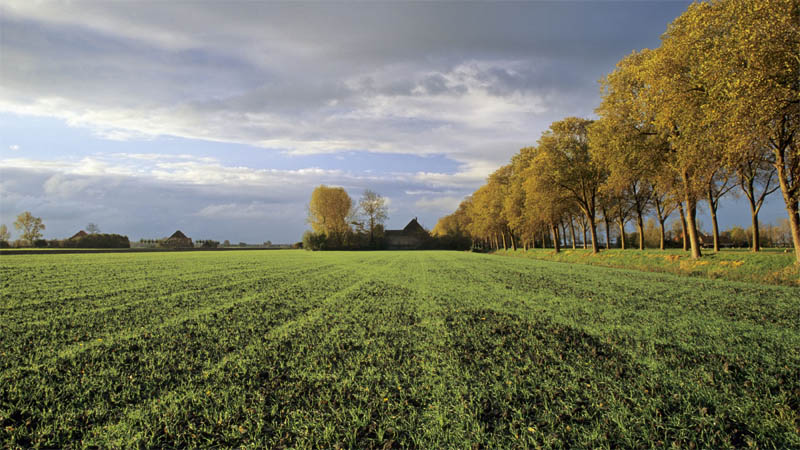
India follows a wide range of land classifications to identify how a particular parcel can be used. One such classification is gair mumkin land, which refers to land that is not suitable for cultivation or farming-related activities. Due to its nature and environmental importance, courts—especially the Supreme Court—have repeatedly highlighted the need to protect such land, particularly in ecologically sensitive zones. Below is a clear explanation of what gair mumkin land means, its types, and the legal position surrounding it.
Understanding Gair Mumkin Land
The term gair mumkin literally means “not possible.” In land records, gair mumkin land denotes uncultivable land that cannot be used for agriculture, horticulture, animal rearing, poultry farming, or fish farming. Such land typically includes natural or structural features like water channels, wells, ponds, tanks, rocky terrain, or other areas unsuitable for farming.
In certain cases, land authorities may reclassify gair mumkin land into barani land (rain-fed agricultural land), provided it becomes suitable for cultivation. Additionally, if such land is located far from inhabited village areas and is not required for village expansion, it may be allotted to eligible claimants at rates applicable to banjar kadim (long-uncultivated land).
Types of Gair Mumkin Land
Gair mumkin land is further categorised based on its physical and locational characteristics:
1. Gair Mumkin Pahar
This category includes rocky, hilly, or mountainous terrain that cannot support cultivation. Large stretches of the Aravalli range falling in parts of Haryana and Rajasthan are commonly classified under gair mumkin pahar due to their ecological sensitivity and non-arable nature.
2. Gair Mumkin Abadi
These land parcels are situated away from village residential areas and are not required for settlement expansion or community use. Such land generally has no agricultural or developmental utility.
Legal Position and Supreme Court Observations
The Supreme Court has clarified that gair mumkin land is a form of wasteland, meaning it cannot be legally used or occupied for agricultural, horticultural, or animal husbandry purposes. The Court has consistently stressed that such land must be protected from misuse, encroachment, or commercial exploitation.
Special emphasis has been placed on conserving gair mumkin land located in environmentally fragile regions, such as forest belts, hill ranges, and water catchment areas. The Court has also outlined what constitutes “wasteland,” which includes:
-
Cultivable and uncultivable waste areas within a village
-
Land forming part of riverbeds
-
Land occupied or shaped by the natural course of rivers
These interpretations act as guiding principles for land-use planning and environmental conservation.
Conclusion
Gair mumkin land represents areas that are inherently unsuitable for farming or allied activities. Judicial interpretations have reinforced the importance of preserving such land, particularly where ecological balance and environmental sustainability are concerned. The Supreme Court’s rulings continue to shape land-use policies by discouraging misuse and encouraging conservation of these critical land resources.
Related articles
- Supreme Court of India on Gair Mumkin Land: Meaning, Types & Legal View
- Understanding Gair Mumkin Land in India
- Bombay High Court Strikes Down Land Acquisition for Navi Mumbai Airport Over Legal Violations
- Illegal Property Sale in India – Types, Prevention & Legal Remedies
- Bombay High Court Orders Demolition of 65 Illegal Buildings in Dombivli