
Home › Articles › Selling a Property with Structural Issues: Key Considerations & Strategies
Selling a Property with Structural Issues: Key Considerations & Strategies
By PropertyGeld Editorial Team
Published on PropertyGeld:
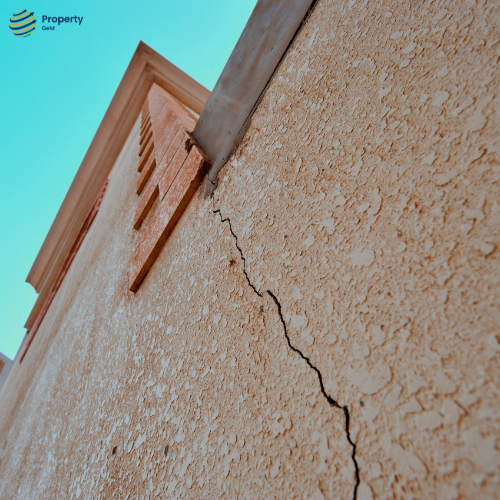
When selling a property, understanding what buyers look for is essential. Besides location, space, and amenities, a home’s structural condition is a major factor influencing purchase decisions. While a well-maintained property attracts buyers, structural defects can deter them.
Some sellers attempt to hide structural problems to sell their property quickly, but this is not advisable as it may lead to legal disputes. However, sellers can still successfully sell a property with structural issues by following certain strategies, ensuring transparency, and adopting smart marketing techniques.
What Are Structural Issues in a Property?
Structural issues refer to defects in a building’s framework and construction that may arise due to:
- Poor design or substandard materials
- Wear and tear over time
- Foundation problems and settling issues
- Cracks in walls, floors, or ceilings
- Plumbing and drainage problems
- Faulty electrical systems
These defects can compromise a building’s safety and reduce its market value, making it important to diagnose and address them before selling.
How to Identify Structural Issues in a Property
Property owners should conduct regular inspections to detect structural defects early. Diagnosing these issues involves:
- Visual inspection of the property to spot visible cracks, uneven flooring, or faulty doors and windows.
- Hiring a professional property inspector or a structural engineer for a thorough assessment.
- Checking for plumbing and drainage problems such as leaks, clogged drains, or water accumulation.
- Identifying faulty electrical systems that may pose fire hazards.
Timely property inspections help prevent long-term damage and costly repairs. Ignoring structural issues can result in severe deterioration, increasing repair costs significantly.
Can a Property Be Sold If It Has Structural Issues?
Yes, a property with structural issues can still be sold, but sellers must:
- Disclose defects to potential buyers as per the Real Estate Regulatory Authority (RERA) guidelines.
- Ensure transparency in the sales agreement.
- Consider rectifying major defects to improve resale value and attract buyers.
Under RERA regulations, developers must rectify structural issues within five years of possession at no additional cost to the buyer. Buyers can file a complaint if repairs are not completed within 30 days of notification.
Key Considerations When Selling a House with Structural Defects
1. Evaluate the Severity of Structural Issues & Repair Costs
Before selling, determine:
- The extent of damage and repair requirements through a professional assessment.
- Estimated repair costs, which may range between ₹2 to ₹5 lakh, depending on property size and materials used.
- Whether repairs should be completed before selling, or if the price should be adjusted to compensate for repair expenses.
If major repairs are necessary, home staging can help present the property attractively and increase buyer interest.
2. Assess the Property’s Resale Value
Pricing a property with structural issues can be challenging.
- Homes with structural defects usually sell at a lower price than similar properties without issues.
- Buyers may negotiate further, making it essential to set a realistic price.
- Sellers should analyze market trends and consider professional valuation services.
Calculating ROI (Return on Investment) Before Selling
Before setting a price, sellers should consider:
- Acquisition costs: Purchase price, stamp duty, registration fees, and brokerage charges.
- Operational costs: Property maintenance, taxes, repair expenses.
- Selling costs: Brokerage fees, advertising expenses for online and offline marketing.
This helps in determining a fair selling price that balances repair costs and profit expectations.
3. Check Home Insurance Coverage
- If the property is covered under a home insurance policy, sellers may be eligible for financial assistance in repairing damages caused by natural disasters, fire, or theft.
- Policies typically cover structural repairs, depending on their terms and conditions.
Verifying insurance coverage can help offset repair costs before listing the property for sale.
4. Understand RERA Guidelines for Selling a Property with Defects
Under RERA regulations:
- Developers are legally responsible for fixing structural issues within five years of possession at no cost to the buyer.
- Buyers must notify developers immediately about defects.
- If repairs are not completed within 30 days, the buyer can file a complaint with the state RERA authority for compensation.
- Sellers must legally disclose all known structural issues in the sale agreement to avoid disputes.
Being aware of these legal obligations ensures a smooth and compliant transaction.
5. Maintain Transparency Without Discouraging Buyers
Being honest about structural problems is crucial. Sellers should:
- Provide full disclosure about defects in the property.
- Answer buyer queries openly regarding the home’s condition, history, and potential repairs.
- Highlight key property benefits such as location, spaciousness, and amenities.
Transparency builds buyer trust and reduces legal risks.
6. Use Smart Marketing Strategies
To attract buyers despite structural defects, sellers should:
- Emphasize positive aspects like proximity to schools, markets, and transport.
- Highlight potential for upgrades and renovation.
- Use professional photography to showcase the property in the best light.
- Create compelling property listings with clear descriptions of features and benefits.
A well-marketed property can still generate strong buyer interest, even with existing structural issues.
Selling a Property Without Fixing Structural Problems
If a seller chooses not to repair the structural issues, they should:
- Clearly disclose defects to potential buyers.
- Adjust the asking price to reflect repair costs.
- Be prepared for negotiations and possible price reductions.
- Weigh the pros and cons of offering a repair allowance to buyers instead of completing repairs before sale.
Selling a home with unresolved structural issues may take longer, but offering full transparency and reasonable pricing can help secure a buyer.
Conclusion: Selling a Home with Structural Issues Successfully
While selling a property with structural defects can be challenging, it is entirely possible with the right approach.
- Regular inspections and professional assessments help in diagnosing and addressing problems.
- Understanding RERA regulations ensures compliance and avoids legal risks.
- Pricing the property appropriately and using smart marketing strategies attract buyers despite issues.
- Maintaining transparency and offering repair allowances can build trust and facilitate negotiations.
By following these steps, sellers can successfully sell a property with structural issues while ensuring a fair deal for both parties.