
Home › Articles › Selling a House with Mold: How to Overcome Challenges and Attract Buyers
Selling a House with Mold: How to Overcome Challenges and Attract Buyers
By PropertyGeld Editorial Team
Published on PropertyGeld:
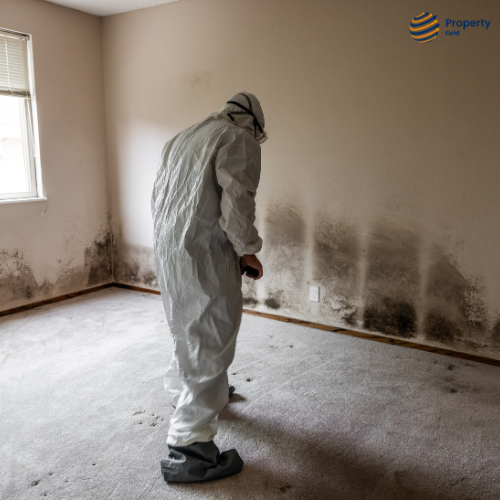
Selling a house can be a complex process, and the presence of mold adds another layer of difficulty. Mold not only affects the home’s appearance but also raises concerns about health risks and structural integrity, making buyers hesitant. However, selling a house with mold is possible if handled correctly. Whether you choose to fix the issue before listing or disclose it and adjust pricing accordingly, the right strategy can help you close a successful sale.
This guide explores how mold impacts home sales and provides practical steps to navigate the selling process effectively.
Understanding Mold and Its Impact on Property Sales
Mold is a fungus that thrives in damp environments, appearing as black, green, or white patches on walls, ceilings, and floors. It is commonly found in basements, bathrooms, and kitchens where humidity levels are high.
From a real estate perspective, mold can significantly reduce a home's marketability due to concerns about health risks, potential structural damage, and remediation costs. In some cases, mortgage lenders may refuse to finance a home with mold, making it more challenging to attract buyers.
However, with the right approach, including remediation, pricing adjustments, or transparency, it is still possible to sell a home with mold while attracting serious buyers.
Can You Sell a House with Mold in India?
Yes, selling a house with mold is possible in India, but it presents certain challenges. Mold is often associated with poor maintenance, water leakage, and high humidity, which can deter buyers. Additionally, mold exposure can be a health concern, particularly for individuals with respiratory conditions.
While there are no strict legal regulations prohibiting the sale of a home with mold in India, full disclosure is recommended. Failing to inform buyers about mold issues can lead to legal disputes later. Some buyers, particularly investors or those looking for renovation projects, may still be interested if the price reflects the necessary repairs.
Steps to Sell a House with Mold
1. Assess the Extent of Mold Damage
Before listing the property, it is crucial to determine the severity of the mold problem.
- Small patches of surface mold in damp areas like bathrooms and kitchens can often be removed with basic cleaning.
- If mold is widespread or linked to water damage, professional inspection is recommended.
- A mold specialist or home inspector can evaluate the extent of the issue and identify underlying causes such as leaks, poor ventilation, or drainage problems.
A thorough assessment will help decide whether to fix the issue before selling or adjust the pricing strategy accordingly.
2. Fix the Mold Issue Before Selling
Addressing mold before listing the home can increase buyer confidence and make the property more marketable.
- For minor mold issues, deep cleaning with mold-killing solutions and improved ventilation may be sufficient.
- If the mold is extensive or caused by structural damage, hiring a certified mold removal service is essential.
- Fix any plumbing leaks, improve drainage, and install dehumidifiers to prevent recurrence.
A mold-free home is more appealing to buyers and reduces the risk of price negotiations or deal cancellations.
3. Document Mold Issues and Remediation Steps
Transparency is key in the selling process. Keep detailed records of any mold-related issues, including:
- Inspection reports and professional assessments
- Photographs of mold-affected areas before and after remediation
- Invoices and receipts from mold removal specialists
- Details of any repairs or upgrades made to prevent future mold growth
Providing this information builds trust with buyers and demonstrates that the issue has been properly addressed, reducing the chances of legal disputes.
4. Prevent Future Mold Growth
Even after remediation, proactive measures can reassure buyers and enhance property value:
- Ensure proper ventilation in moisture-prone areas like bathrooms, kitchens, and basements.
- Fix any leaks in plumbing, roofing, or walls to prevent dampness.
- Use mold-resistant paint on walls and ceilings.
- Install dehumidifiers in humid regions to control moisture levels.
Demonstrating these efforts to potential buyers proves that the home is well-maintained, increasing its desirability.
5. Disclose Mold Issues to Buyers
While Indian real estate laws do not mandate disclosure of mold issues, being upfront about past problems builds trust and prevents future disputes.
- Provide detailed documentation of past mold inspections and remediation efforts.
- Share expert reports from certified professionals if remediation was completed.
- Highlight preventive measures taken to ensure the issue does not recur.
Transparency protects the seller legally and helps attract serious buyers who appreciate honesty.
6. Price the Property Strategically
Mold issues can impact a home’s market value, making pricing adjustments necessary.
- Research comparable homes in the area to determine a competitive asking price.
- If mold remediation was completed, highlight the improvements made to justify the price.
- If the mold issue remains unresolved, offering a discount can attract buyers willing to invest in repairs.
A well-researched price increases the chances of a smooth and quick sale.
7. Target the Right Buyers
Selling a house with mold requires marketing to the right audience.
- Individual homebuyers may be hesitant, but real estate investors, house flippers, and developers might be interested in renovation opportunities.
- Listing the property as-is or marketing it as a fixer-upper can attract buyers willing to handle necessary repairs.
- Working with a real estate agent experienced in distressed properties can help connect with the right buyers.
8. Enhance the Home’s Appeal Despite Mold Concerns
Even if the home has a mold issue, presenting it well can help attract buyers.
- Deep clean and declutter the home to create a positive first impression.
- Improve ventilation and use air purifiers to eliminate musty odors.
- Apply fresh paint, repair minor damages, and ensure good lighting to make the home look well-maintained.
- If mold remediation is ongoing, highlight efforts made to fix the issue.
A clean and well-kept home reassures buyers that the mold problem is manageable and not a sign of overall neglect.
9. Highlight Other Strengths of the Property
When selling a house with a history of mold, shift focus to its positive aspects.
- Highlight prime location, spacious layout, modern amenities, or recent upgrades.
- Emphasize good connectivity, nearby schools, parks, and commercial hubs.
- Showcase energy-efficient features, landscaped gardens, or smart home technologies.
Providing documentation of past maintenance and property improvements helps buyers see the home’s true value beyond the mold issue.
Final Thoughts: Selling a House with Mold Successfully
Selling a home with mold is challenging, but with the right approach, it is entirely possible.
Assess mold severity and consider remediation
Maintain transparency with buyers and provide documentation
Implement preventive measures to reassure potential buyers
Price the home strategically to reflect the mold condition
Highlight the property’s strengths beyond the mold issue
By taking proactive steps and targeting the right buyers, homeowners can successfully sell a house with mold while maintaining transparency and ensuring a smooth transaction.