
Home › Articles › Pest Control in Rental Properties: Understanding Responsibilities of Landlords and Tenants
Pest Control in Rental Properties: Understanding Responsibilities of Landlords and Tenants
By PropertyGeld Editorial Team
Published on PropertyGeld:
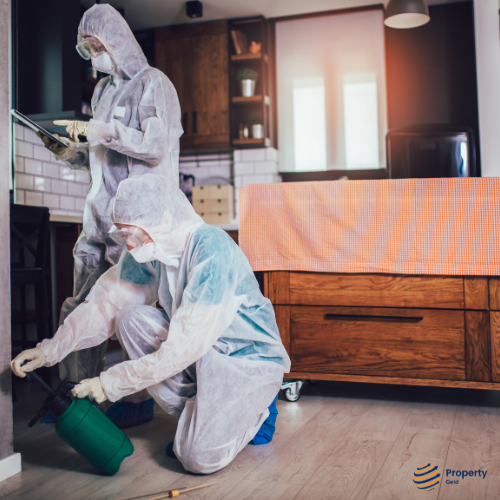
Pest control is crucial for maintaining a clean and healthy living space, particularly in rental properties where multiple factors can contribute to infestations. Whether dealing with rodents, termites, cockroaches, or bedbugs, addressing the issue promptly helps prevent property damage and ensures the well-being of occupants. However, when pests become a concern in a rental home, a common question arises—who is responsible for pest control, the tenant or the landlord? Clarifying these responsibilities can help avoid disputes and encourage a proactive approach to keeping properties pest-free.
Why Pest Control Matters
Unchecked pest infestations pose serious health risks, cause property damage, and lead to additional costs. Rodents, cockroaches, and mosquitoes can spread diseases, while termites and bedbugs can damage furniture and create discomfort. Regular pest control not only prevents infestations but also promotes hygiene and enhances the overall quality of life for both landlords and tenants. A proactive pest management approach benefits both parties and ensures a harmonious rental experience.
Determining Pest Control Responsibilities
The responsibility for pest control in rental properties depends on several factors:
- Type of Infestation: If the issue results from structural defects such as cracks or dampness, the landlord is responsible. If pests appear due to poor hygiene or improper food storage, the tenant may be held accountable.
- Timing of Infestation: If a tenant moves in and immediately discovers a pest problem, the landlord must address it, as it likely existed before occupancy. However, long-term tenants must ensure routine upkeep to prevent infestations.
- Property Maintenance: A well-maintained property with regular pest control is less likely to experience infestations. If a landlord neglects maintenance, they may be responsible for any pest-related issues.
- Rental Agreement Terms: Clearly defining pest control responsibilities in the lease agreement helps avoid conflicts. The agreement can specify whether the landlord covers pest control services or if the tenant must handle minor infestations.
Landlord’s Role in Pest Control
Landlords are responsible for providing a habitable living environment, which includes preventing pest infestations. Their key duties include:
- Conducting Regular Inspections: Periodic inspections help detect potential pest issues before they escalate.
- Pre-Tenancy Pest Control: Before a new tenant moves in, landlords should ensure the property is pest-free by scheduling fumigation or other treatments.
- Addressing Structural Issues: Fixing leaks, sealing cracks, and maintaining drainage can prevent pests from entering the property.
- Responding to Tenant Complaints: If a pest problem arises due to property conditions, landlords must take prompt action to resolve it.
- Covering Professional Pest Control Costs: If the issue is beyond the tenant’s control, such as a termite infestation or rodent problems from neighboring properties, the landlord should arrange for pest control services.
- Disclosing Past Infestations: Landlords must inform tenants of any known pest issues before signing the lease to ensure transparency.
Tenant’s Role in Pest Control
While landlords must ensure the property is pest-free before leasing, tenants must maintain cleanliness to prevent infestations. Their responsibilities include:
- Proper Food Storage: Keeping food in sealed containers to avoid attracting pests.
- Garbage Disposal: Regularly removing waste and keeping trash bins covered to prevent infestations.
- Cleaning Up Spills and Crumbs: Keeping kitchen areas tidy to deter pests like ants and cockroaches.
- Maintaining Pet Hygiene: Proper care of pets to avoid attracting fleas, ticks, and rodents.
- Promptly Reporting Pest Issues: Tenants should notify landlords immediately if they notice pest activity to prevent the problem from worsening.
Shared Responsibilities and Preventative Measures
A combined effort from landlords and tenants is the best way to maintain a pest-free environment. Key collaborative strategies include:
- Open Communication: Both parties should discuss pest concerns and act promptly when issues arise.
- Preventive Measures: Landlords should maintain property infrastructure, while tenants should uphold cleanliness.
- Regular Inspections: Routine checks by landlords and tenants can help detect early signs of infestations.
- Sharing Information: Awareness of pest activity in the neighborhood can help both parties take precautionary measures.
Legal Standpoint on Pest Control Responsibilities in India
Indian rental laws do not explicitly define pest control obligations, but property and tenancy laws imply responsibilities for both parties.
- Landlord’s Legal Duty: Landlords must provide a habitable living space, which includes addressing structural defects and pre-existing conditions that may lead to pest infestations.
- Tenant’s Legal Duty: Tenants must use the property responsibly, ensuring cleanliness and hygiene to avoid pest problems caused by negligence.
- Importance of Rental Agreements: Clearly stating pest control responsibilities in the lease agreement helps prevent disputes and ensures a defined course of action in case of infestations.
Final Thoughts
Pest control in rental properties is a shared responsibility, requiring cooperation between landlords and tenants. While landlords must provide a pest-free home and maintain property conditions, tenants must uphold hygiene standards to prevent infestations. Clear communication and well-defined lease agreements can help resolve pest control disputes efficiently.
Related articles
- Pest Control in Rental Properties: Understanding Responsibilities of Landlords and Tenants
- Understanding Rental Bidding and Its Impact on Tenants in India
- Top Localities in Gurgaon Preferred by Tenants for Rental Living
- How to Earn Higher Rental Income from Your Property: Smart Tips for Landlords
- Smart Ways for Tenants to Cut Rental Costs Without Sacrificing Comfort
- Why Tenants Should Verify Landlords Before Renting a Home