
Home › Articles › Low-Rise Apartments in India: A Smart Investment Choice for Homebuyers
Low-Rise Apartments in India: A Smart Investment Choice for Homebuyers
By PropertyGeld Editorial Team
Published on PropertyGeld:
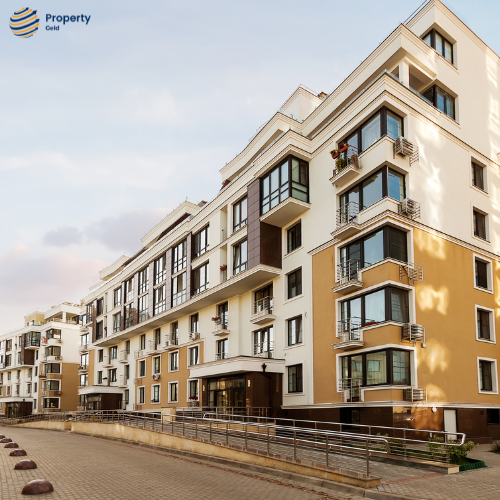
The Indian real estate market offers a variety of housing options, including high-rise apartments, independent homes, and low-rise apartments. Among these, low-rise apartments have gained popularity due to their affordability, privacy, and strong community living. Typically two to four floors high, these apartments provide a serene environment with fewer residents, making them a great choice for those seeking a balanced and comfortable lifestyle.
This guide explores the benefits, challenges, and key factors to consider before investing in a low-rise apartment in India.
Advantages of Buying a Low-Rise Apartment
1. More Privacy and Less Crowding
Low-rise apartments house fewer residents, ensuring reduced noise, lower foot traffic, and more personal space compared to high-rise towers. This makes them ideal for those who value privacy.
2. Better Ventilation & Natural Light
Due to fewer floors and open surroundings, these apartments enjoy improved airflow and ample natural sunlight, creating a healthier and more energy-efficient living environment.
3. Lower Maintenance Costs
Unlike high-rise buildings with expensive amenities like elevators, security systems, and clubhouses, low-rise apartments have lower maintenance fees, reducing the overall cost of homeownership.
4. Spacious Layouts & Open Spaces
Low-rise apartments often offer larger living spaces, bigger balconies, and private terraces, enhancing the overall quality of life.
5. Stronger Community Bonding
With fewer residents, these apartments promote a friendly and cooperative environment, fostering a strong sense of community and safety.
6. Easy Mobility & Accessibility
Unlike high-rise buildings that rely on elevators, low-rise apartments allow easy movement, making them suitable for elderly residents, children, and people with mobility concerns.
7. Green Surroundings & Landscaped Gardens
Many low-rise developments integrate small parks, tree-lined pathways, and private gardens, offering a peaceful living atmosphere.
8. Higher Resale Value & Appreciation Potential
Due to their limited availability and high demand, low-rise apartments tend to appreciate well over time, making them a solid investment option.
9. Reduced Seismic Risks
In earthquake-prone regions, low-rise structures are safer due to their lower center of gravity and superior structural stability, reducing the risk of significant damage.
Challenges of Buying a Low-Rise Apartment
1. Limited Availability in Metro Cities
Since urban centers prioritize high-rise buildings, low-rise apartments are mostly available in suburban or semi-urban areas, reducing choices for city-based buyers.
2. Fewer Lifestyle Amenities
Low-rise apartments lack premium facilities such as swimming pools, gyms, and clubhouses, which are common in high-rise developments.
3. Security Concerns
Smaller buildings may not have CCTV surveillance, gated security, or 24/7 guards, making them potentially less secure than high-rise gated communities.
4. Limited Parking Space
Unlike high-rise towers with multi-level parking, low-rise apartments may offer limited on-site parking, requiring residents to rely on street parking.
5. Financing Challenges
Some banks prefer financing high-rise projects due to their developer credibility, which may make it harder to secure loans for low-rise apartments.
Key Factors to Consider Before Buying a Low-Rise Apartment
1. Location & Connectivity
Choose a location that is well-connected to schools, hospitals, markets, and public transport hubs for ease of daily commuting.
2. Developer Reputation & Legal Approvals
- Verify the builder’s reputation, past projects, and credibility.
- Ensure the property has RERA registration, land clearance, and completion certificates.
3. Construction Quality & Structural Integrity
Since low-rise buildings are often developed by smaller builders, checking the quality of materials and construction standards is essential.
4. Security Features
If the apartment lacks security infrastructure, consider installing home surveillance systems or choosing gated communities for added safety.
5. Maintenance & Upkeep
Unlike high-rise societies with dedicated management teams, low-rise apartments often rely on resident-led maintenance, which requires collective effort.
6. Future Appreciation Potential
Assess the real estate trends in the area to determine if property prices are likely to rise due to upcoming infrastructure projects, metro expansions, or commercial developments.
7. Utility Availability & Infrastructure
- Ensure reliable water, electricity, and sewage facilities.
- Some suburban areas may face water shortages or inconsistent power supply, which can affect daily living conditions.
Final Thoughts: Is a Low-Rise Apartment a Good Investment?
Affordable alternative to high-rise apartments
Offers privacy, open spaces, and strong community living
Ideal for families, senior citizens, and homebuyers seeking a peaceful lifestyle
Potential for good resale value due to high demand and limited supply
Lower maintenance costs & better ventilation
While low-rise apartments have fewer luxury amenities, they offer spacious layouts, a better living environment, and strong appreciation potential, making them an excellent real estate investment choice in India.
Related articles
- Low-Rise Apartments in India: A Smart Investment Choice for Homebuyers
- Affordable Housing Projects Along Dwarka Expressway: A Smart Choice for Homebuyers in Gurgaon
- Why Faridabad is Emerging as a Smart Choice for Property Investment
- Why Sector 85 Faridabad is an Ideal Choice for End-Users and Homebuyers
- Why Golf Course Extension Road in Gurugram Is Becoming a Top Choice for Homebuyers
- Is Sector 120, Noida a Smart Choice for End-Users?